
Tag: Japan
-

Mitsui Chemicals Invests in Used Cooking Oils Collection
Mitsui Chemicals Invests in Apeiron Bioenergy, one of the Largest Used Cooking Oil Collectors in Southeast Asia and China Region
Written by
·
-

South Africa Receives Biodegradation Laboratory Equipment
CSIR receives plastic biodegradation laboratory equipment from Japan
Written by
·
-

Synthetisation of Fumaric Acid
Researchers have successfully synthesized fumarate (fumaric acid), a raw material for unsaturated polyester resin, by combining carbon dioxide (CO2) with pyruvate (derived from biomass), using two biocatalysts: malate dehydrogenase and fumarase.
Written by
·
-

Bluepha and Chori Partner for Japanese Market
Bluepha and Chori Establishing a Strategic Partnership to Develop the Japanese Market
Written by
·
-

Japan Times Covers Biodegradable Materials
Drowning in plastic? Biodegradable materials could be a lifesaver. Japanese companies are pushing eco-friendly compounds, but it might not be enough
Written by
·
-

Using PLA to Make Clothes
Tokyo firm finds use for Chinese biodegradable plastic in clothes
Written by
·
-
Sekisui Chemical Recycling Demo Plant in Japan
1/10th Scale “Waste to Ethanol” Demonstration Plant Completed in Kuji City
Written by
·
-

Japanese Biodegradable Guitar Picks
Japanese plastics firm launched 100% biodegradable guitar picks
Written by
·
-

Renewcell and Daiwabo Rayon Partner on Circular Textiles
Renewcell and fiber producer Daiwabo sign Letter of Intent for circular textile fiber collaboration
Written by
·
-
Bio-Fed and KBK Partner on Bioplastics in Japan
BIO-FED and KBK sign distribution agreement for Japan
Written by
·
-
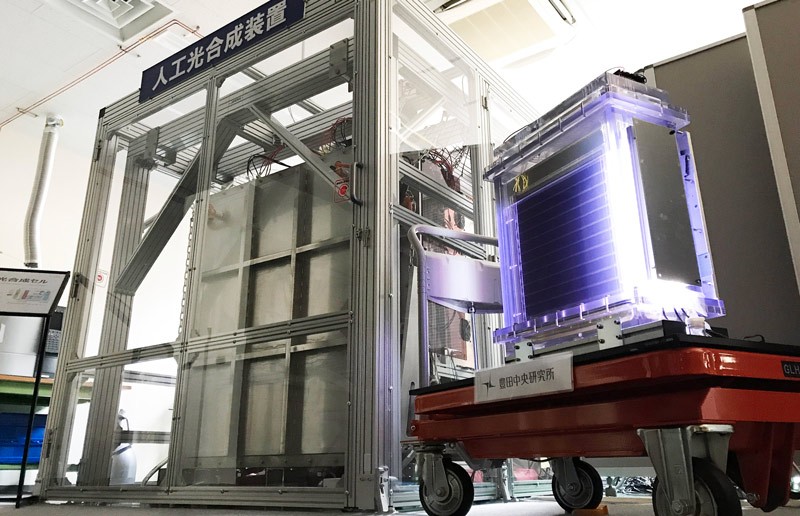
Japanese Pioneer in Artificial Photosynthesis
This company claims to establish artificial photosynthesis technology for wide-scale production of useful carbon compounds within 10 years.
Written by
·
-

Kaneka Increases PHBH Capacity in Japan (FREE)
Production capacity increase of KANEKA Biodegradable Polymer Green Planet™ in Japan. This is a FREE article
Written by
·
-
Toyo Styrene and Agilyx Partner on Chemical Recycling in Japan
Toyo Styrene Enters into the Construction Phase of Chemical Recycling Facility in Japan utilizing Agilyx Technology
Written by
·
-

Biofuel Reports for Japan and Malaysia
Biofuel Reports for Japan and Malaysia — “Anti-OXO Biodegradable” campaign was driven by commercial interests and unfair commercial practices
Written by
·
-

Green Transformation by University of Tokyo
In the “UTokyo Compass,” a statement of the guiding principles of the University of Tokyo, which was made public on October 1, 2021, the University of Tokyo has positioned Green Transformation (GX) as one of the pillars of its action plan, which includes leading international GX.
Written by
·
-
Converting BioPlastics into Fertilisers, Tokyo Institute of Technology
Plastics to fertilizers: chemical recycling of a bio-based polycarbonate as a fertilizer source†
Written by
·
-
Loop Reusable Packaging in Japan
Loop has partnered with a major Japanese retailer as it continues to roll out its circular economy approach to retail around the world.
Written by
·
-

South Korea Steel Industry Goes Green
South Korea finds a circular solution to make the steel industry greener
Written by
·
-
Japan Consultation on Strategic Energy Plan
Japan Opens Public Comment Period for its Proposed 6th Strategic Energy Plan
Written by
·
-

MCC To Develop Hydrothermal Plastic Recycling in Japan
Mitsubishi Chemical Corporation Announce Site Development Plans using HydroPRS™ Licence from Mura and KBR
Written by
·
-
Japan Export Expansion Action Strategy for Agricultural Products
Japan Releases Details on Agricultural Export Expansion Plan
Written by
·
-
Japan GMO Policy Update
This report reflects updates made by the Government of Japan to its guidelines for handling food and agricultural products derived from genome editing technology
Written by
·
-
Japan Goes PET Chemical Recycling
New partnership in Japan will recycle PET bottles chemically
Written by
·
-
New Bio Acetone Process
Metabolic engineering of Moorella thermoacetica for thermophilic bioconversion of gaseous substrates to a volatile chemical
Written by
·
-
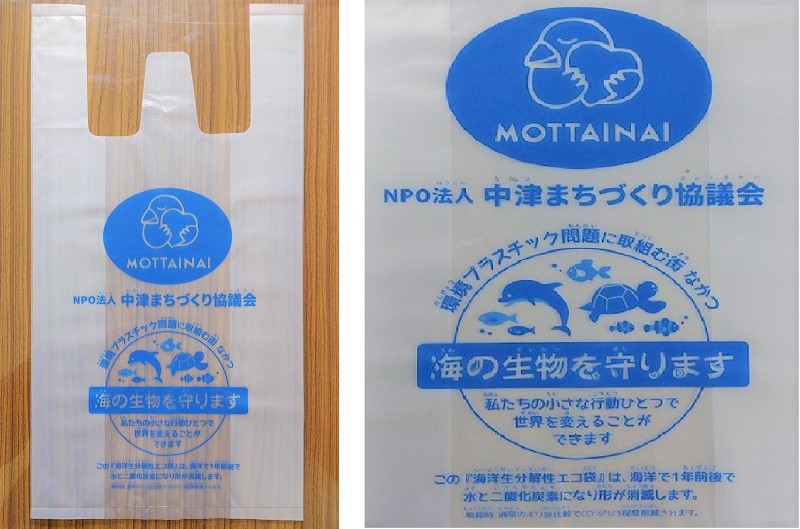
Japan First Marine Degradable Plastic Bag
In April 2021, Japan’s first marine biodegradable plastic shopping bag was introduced at a supermarket in Nakatsu City, Oita Prefecture
Written by
·
-
Mitsui and IBM Partner on Plastic Blockchain
Mitsui Chemicals, IBM Japan to Start Joint Efforts Toward Building a Blockchain-Based Resource Circulation Platform
Written by
·
-
Mitsubishi Forzea is First Bioplastics for Cutlery in Japan
Mitsubishi Chemical’s FORZEAS™ Will Be Japan’s 1st Biodegradable Polymer Used to Manufacture Cutlery
Written by
·
-
Circularity Brings Confusion in Japan
The circularity quest has brought confusion everywhere. Japan may be the first country to recognise this. Other countries such as the EU play the ostrich with its head in the sand
Written by
·
-
Japan Partnership to Recycle Polystyrene
A major Japanese polystyrene (PS) manufacturer PS Japan Corp. is pursuing a demonstration project to test the chemical recycling of used PS.
Written by
·
-
Microplastics in Japan
Novel method reveals small microplastics throughout Japan’s subtropical ocean
Written by
·
-

Axens and Sumitomo Partner on Waste to Polyolefins
Axens selected by sumitomo chemical for a waste-to-polyolefins project on circular economy
Written by
·
-
Japanese Import Regulations for Industrial Hemp Products
This report summarizes Japan’s import requirements for industrial hemp products. U.S. exporters should ensure that all necessary custom clearance requirements have been verified with local authorities through foreign importers before the sales conditions are finalized.
Written by
·
-
Japan Invent Highly Heat Resistant Bioplastic
New highly heat-resistant bioplastic can be used in car parts
Written by
·
-
Japan Goes Zero Emissions
Japan aims for zero emissions, carbon neutral society by 2050 – PM
Written by
·
-
Bioplastic Fishing Gear in Japan
‘Green’ fishery gear key to ocean plastic problems. Japan’s Kuraray developing materials to make equipment biodegradable
Written by
·
-
Japan Food Service, Hotel, Restaurant and Institutional Update
With the courtesy of the US government.
Written by
·
-
Partnership to Boost Bio-PP in Japan
Partnership to enable uptake of renewable polypropylene in the Japanese market.
Written by
·
-
Japan to Map Marine Microplastics
Japan to draw map of marine plastic pollution with help from G-20
Written by
·
-
Japan Food Grade Packaging Chemicals
Japan’s Ministry of Health, Labour and Welfare (MHLW) updated its English language website with more information about Japan’s new positive list system for food packaging materials.
Written by
·
-
Toyochem Biodegradable Polyurethane Adhesive
Toyochem Launches New Biodegradable Polyurethane Adhesive
Written by
·
-
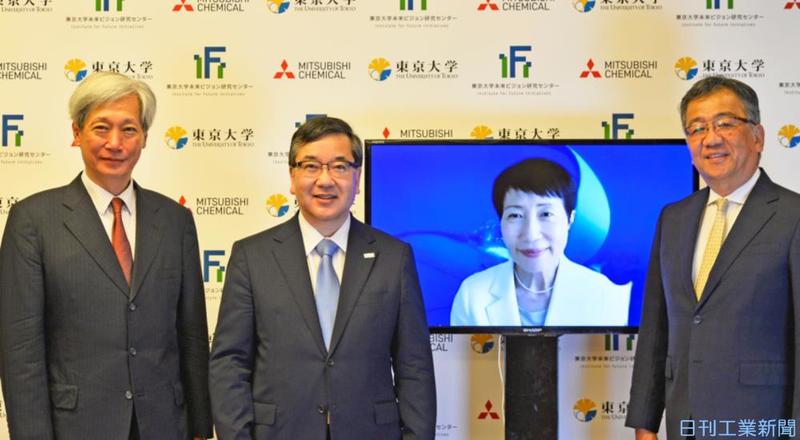
Academia and Industry Partner to Develop Japanese Circular Economy
Agreement between Japanese university and industry to collaborate on circular economy.
Written by
·
-
Japan Impose Plastic Bags Fee
Subscribe now! Japan’s new plastic bag charge: What it means for consumers and the environment
Written by
·
-
Nec Launches NeCycle Bioplastics Made Without Food Crops
NEC Corporation announced today that NEC Platforms, a wholly owned subsidiary, has begun global sales of “NeCycle,” a cellulosic, highly functional bioplastic that contains approximately 50% non-edible plant ingredients and biodegrades in natural environments in approximately four years.
Written by
·
-
Yokogawa Partners with Jeplan on Chemical Recycling
Yokogawa Electric Corporation announces that it has signed an investment and partnership agreement with JEPLAN, INC., a polyester material recycling company with a unique chemical recycling technology.
Written by
·
-
Japanese Bioplastic Beads and Scrub
Green Science Alliance Develops Biodegradable Resin Beads, Scrub to Replace Micro Plastic Beads, Scrub, Pollution, in Facial Wash, Body Soap, Tooth Paste, Cosmetics, Etc.
Written by
·
-
Chemical Recycling of PS in Japan
Agilyx Corporation (“Agilyx”), the leader in chemical recycling of post-use plastics back into polymers, chemicals, and low carbon fuels, announces the licensing of its technology to Toyo Styrene Co., LTD (“Toyo Styrene”), an affiliate of Denka Company Limited.
Written by
·
-
Osaka University Develops Marine Biodegradable Plastics
Whether it’s entangling marine animals, clogging their guts when they eat it, or forming giant floating “garbage patches,” oceanic plastic waste is a huge problem. There may be new hope however, in the form of what is claimed to be a better type of marine-biodegradable plastic.
Written by
·
-
Zero Waste in Japan
For 20 years Kamikatsu has led the way in the world’s second biggest producer of plastic waste.
Written by
·
-
Japan Starts Large Scale Ocean Microplastics Survey
Japanese shipping company NYK has signed a memorandum of understanding with the Chiba Institute of Technology to use its ships to collect and analyze microplastics in oceans around the world.
Written by
·
-
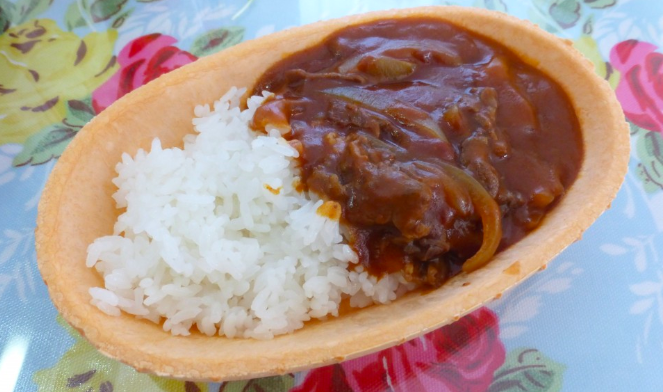
Edible Packaging in Japan
In the future, when someone implores a dining companion to “finish off the meal,” it just might mean that they are expected to eat the plate and cutlery, too.
Written by
·
-

New Japanese Chemical Recycling Alliance
SEKISUI CHEMICAL and SUMITOMO CHEMICAL COMPANY, LIMITED have agreed to form a strategic alliance to benefit society by deploying technology for manufacturing polyolefin using waste as a raw material.
Written by
·
-
Internet Connected Biodegradable Paper
A team of scientists have created an thin sheet of paper they call nanopaper. The nanopaper is one millimeter thick and can transmit data to the internet.
Written by
·
-
Sekisui Chemical Most Sustainable Asian Company
Japanese plastics manufacturer Sekisui Chemical is the highest ranked Asian firm in a global index of the most sustainable corporations by Canadian publisher Corporate Knights. CK’s boss says it is ‘worrying’ that there are not more Asian firms in the list.
Written by
·
-
How Does Plastic Consumption Impacts Japan?
Japan produces 9 million tons of plastic waste each year, with disposable plastic such as packaging and food containers accounting for more than 40 percent of this figure. We examine how plastic consumption impacts us on a personal level.
Written by
·
-
Plastic Waste Becoming Main Issue in Japan
At a mid-December meeting of the United Nations World Tourism Organization and UNESCO, Kyoto Mayor Daisaku Kadokawa spoke with pride about his city’s successes in the area of sustainable, environmentally friendly tourism.
Written by
·
-
Japan Scientists Develop Biodegradable Nanofiber Sensor
Scientists in western Japan have developed a biodegradable humidity sensor for farm-use.
Written by
·
-
Regulation of Plastic Shopping Bags in Japan
The government plans to require retailers beginning next July to charge for the plastic bags they distribute to shoppers. It is part of an overall effort to reduce wasteful use of disposable plastics that are produced and consumed in massive volumes worldwide.
Written by
·
-

Avantium Opens Office in Japan
Avantium Renewable Polymers confirms its strategy to turn to high-value applications for PEF (polyethylene furanoate) by establishing an Avantium branch office in Japan.
Written by
·
-

Supercar Made from Cellulose & Agri Waste
Japan’s Environment Ministry showed off a one-of-a-kind supercar made from cellulose and agricultural waste. While it is relatively light, it is still able to punch above its weight when it comes to strength and durability.
Written by
·
-
Japan Plays Catch Up in Scramble to Bioplastics
Japanese companies have committed to move away from the practice of burning plastic waste and embrace a cycle of reusing materials as they risk losing environmentally conscious investors to U.S. and European peers making better progress on recycling.
Written by
·
-
Green Science Alliance Receives GreenPLA Certification From Japan Bioplastics Association
Environmental problems caused by human population explosion and activity are becoming a serious issue on earth in these decades.
Written by
·
-
Mitsubishi Chemical BioPBS Polymer Adopted for Comme des Garçons Bags
Mitsubishi Chemical Corporation announced that the Japanese fashion label Comme des Garçons Co., Ltd. has adopted shopping and wrapping bags made from MCC’s BioPBSTM plant-derived and biodegradable polymer.
Written by
·
-
Japan Environment Council Recommends Action on PFAS
Decision follows Stockholm convention ban.
Written by
·
-
Kaneka Wins Japan Bioindustry Award 2019 for Seawater Biodegradable Bioplastics
The poly-hexanoate-butyrate (PHBH) copolymer is produced by Kaneka from plant oil using a recombinant strain of Cupriavidus necator at a capacity of currently 1,000 tons, with plans to increase production to 5,000 and later to 100,000 tons a year.
Written by
·
-

Mitsui Chemicals To Supply Bioplastics for Self Driving Cars
A bio-based polyol supplied by Mitsui Chemicals, Inc. via its Korean joint venture Mitsui Chemicals & SKC Polyurethanes Inc. (MCNS) has been adopted as a raw material for polyurethane cushioning in the seats of the Robocar Walk self-driving car sold by Japan’s ZMP Inc.
Written by
·
-
Japan Funds Bioplastics Industry in South Africa
With excessive plastic waste under the spotlight, sustainable and plant-based alternatives are currently in development in South Africa. The country has large amounts of sugar cane bagasse and other biomass feed-stocks which are suitable for bio-plastics.
Written by
·
-

Panasonic Goes Bioplastics
High production costs a concern in shift away from petroleum-based plastics.
Written by
·
-
Asian Delegations Briefed by US Corn Industry
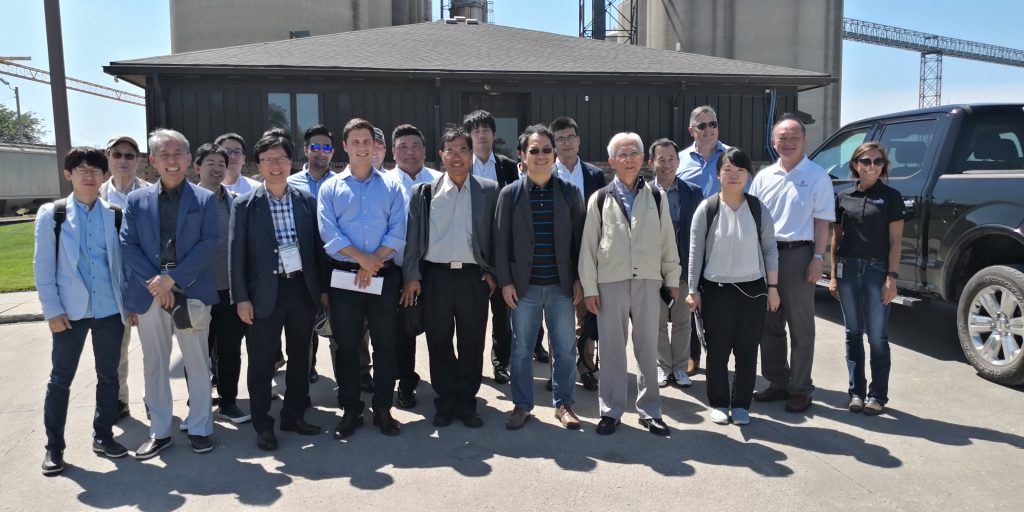
A recent program designed by the U.S. Grains Council (USGC) and the Biotechnology Innovation Organization (BIO) offered teams from Japan, Taiwan and South Korea perspective on how corn ethanol and corn starch could contribute to bio-based products including bio-plastics, paints, detergents, cosmetics, perfumes and other chemical applications.
Written by
·
-
Message From The CEO of Mistubishi Chemical
Becoming a chemical company that grows sustainably by accurately anticipating social change.
Written by
·
-

Japan’s Visionary Leadership and the Osaka Blue Ocean Vision
The Honourable Prime Minister of Japan, Mr. Shinzo Abe, showed clear leadership and determination to solve the plastic waste problem during the G20 Summit in Osaka (28-29 June).
Written by
·
-
Japan Fights Waste Ahead of G-20 summit
Japan has a plastic problem. In a country where cleanliness and neat packaging have long been considered good service, almost everything, from single bananas to individual pieces of vegetables, pastries, pens and cosmetics is sold plastic-wrapped.
Written by
·
-

7-Eleven Japan Goes Bioplastics
Convenience store operator Seven-Eleven Japan Co. said Monday it will start selling all of its rice balls in wraps made of biomass plastics possibly from July as it aims to reduce the use of fossil-fuel-derived materials for the environment.
Written by
·
-
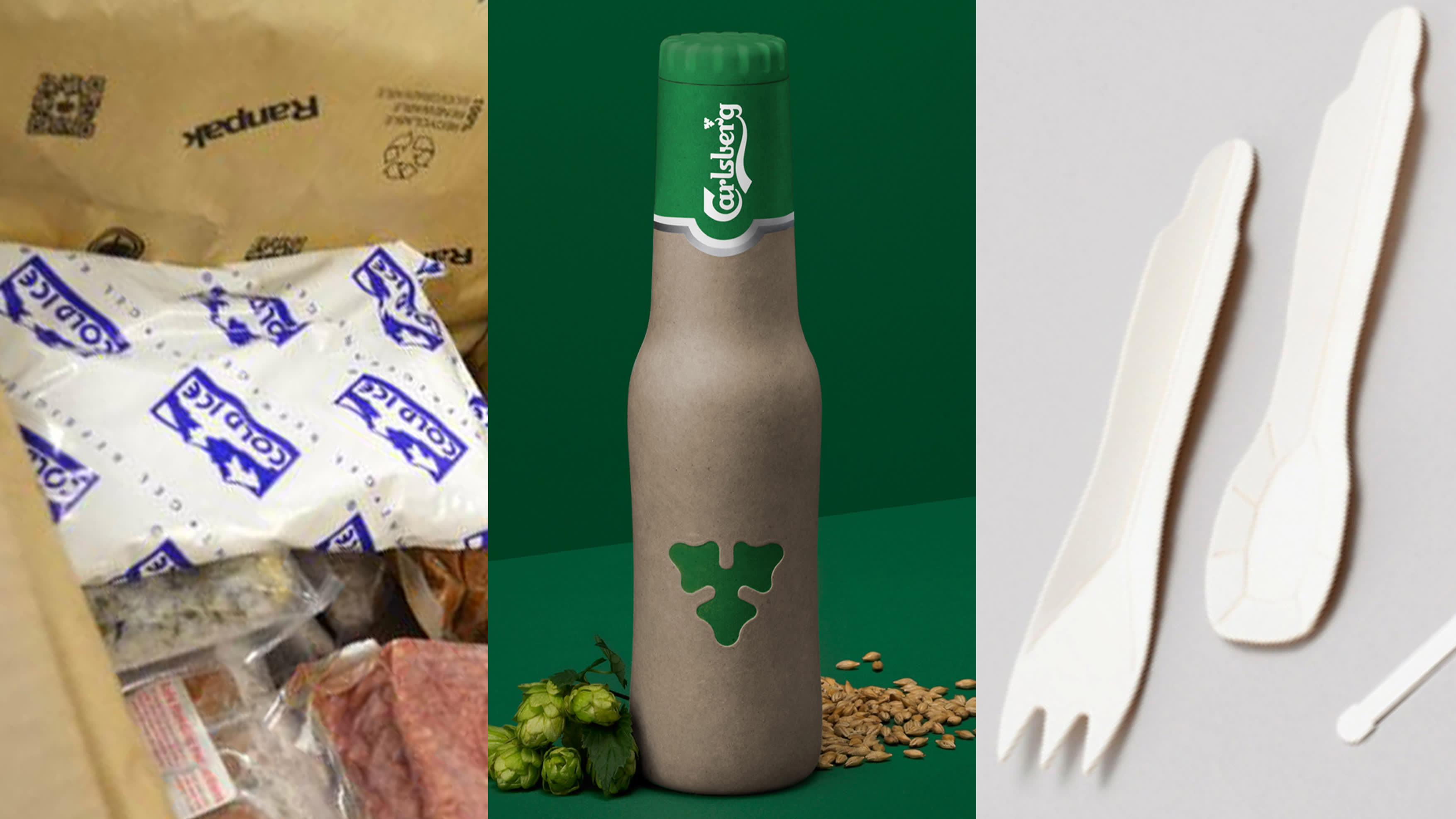
Wooden Beer Bottles and Paper Straws, Japan Shifts from plastic
Transition creates opportunities for the nation’s declining paper industry.
Written by
·
-

US Government Becomes New Leader in Bio-Transition
The U.S. Department of Energy (DOE) Office of Energy Efficiency and Renewable Energy’s (EERE) Bioenergy Technologies Office (BETO) in partnership with its National Laboratories dedicate the month of May and June to educating the US public on renewable biomass used for the production of biofuels, bioproducts, and biopower.
Written by
·
-
Green Science Alliance Obtains Certificate From Japanese Bioplastics Association
Nano Cellulose, Cellulose nanofiber (CNF) is derived from natural biomass resources such as trees and plants so that it is recyclable and biodegradable. Because its raw material is an abundant natural resource, it is obtainable at low cost. Therefore, nano cellulose is an excellent green, next-generation biomaterial.
Written by
·
-
Japan Aims to Standardize Biodegradable Plastic Materials
The Japanese government plans to launch a public-private initiative to standardize plastic materials that can be degraded by marine microbes, with the aim of promoting such biodegradable materials, according to informed sources.
Written by
·
-
Green Plastic Production Made Easy
A one-step method enables scalable and more environmentally friendly production of plant-derived plastic monomers, paving the way towards the mass production of a sustainable alternative to petroleum-based materials.
Written by
·
-

Green Science Alliance Makes Biodegradable Cutlery Using Plastic Waste
Improperly discarded plastic poses a monumental threat to our environment and, specifically, our oceans. In an effort to curb plastic use, many companies are working to develop alternatives to plastics including biodegradable and bioplastic options. Green Science Alliance is one of them.
Written by
·
-
Lignin Lightens the Load in Thermoset Composites
A research consortium in Japan is developing thermoset composite materials incorporating lignin. Headed by the country’s Forestry and Forest Products Research Institute (FFPRI), the SIP-Lignin group (Research Consortium for Lignin-Based Materials on the Research Program of SIP) is also developing applications such as hybrid films, flexible electronic devices, gasket materials and carbon fiber that are…
Written by
·
-

Ultra-Flexible Bioplastic Revolutionises 3D Printing
Hotty Polymer, Japan’s leading extrusions manufacturer, is fast gaining a foothold in Europe and Asia with breakthrough technology that enables rapid prototyping using ultra-flexible bioplastic.
Written by
·
-
Japan’s manufacturers ramp up environmentally-friendly food and beverage product packaging
From recycled PET bottles to paper packaging, more Japanese firms are exploring or have launched environmentally-friendly food and beverage packaging to reduce the reliance on plastic.
Written by
·
-

Bioplastics Hockey Fields for Tokyo Olympic Games 2020
In 2016 the International Hockey Federation announced a partnership with SportGroup’s leading brand, Polytan, as World Cup and Olympic Partner and supplier of hockey fields for the 2018 and 2022 hockey World Cups as well as the 2020 Olympic games in Tokyo.
Written by
·
-
Japan and The Netherlands Revolutionise The Production of FDCA
A new method to synthesize FDCA from a glucose derivative of non-food plant cellulose has been discovered, paving the way for a bioplastics revolution.
Written by
·
-

Japanese Pioneer the Use of Lignin in Car Parts
Four Japanese organizations develop first auto parts in cedar lignin.
Written by
·
-
Japan Government Wants to Become Leader in Bioplastics
Japan government will reduce disposable plastic waste by 25 percent over next decade and promote plant-based bioplastics.
Written by
·
-
Japan Government Promotes Bioplastics
The Japanese Government wants Japan to become a leader in bioplastics.
Written by
·
-
Japanese Companies Expand Bioplastics Production
Japanese Companies are Increasing Bioplastics Production
Written by
·
-
Can Japan Lead Bioplastics Industry?
What differentiates Japanese Bioplastics companies from Western companies? What should Japanese companies do to lead the bioplastics industry?
Written by
·
-

Mitsui Chemicals’s Do Green Sunglasses Made from Plant-Derived Materials
Mitsui Chemicals, Inc. (Japan) announced the successful development of Do Green™ sunglasses which use plant-derived frames and plant-derived bio-based ophthalmic lens materials.
Written by
·
-
New Bioplastic Production Paradigm
From fire to bacteria: chemistry is gradually shifting production paradigm and moving into a new era.
Written by
·
-
Mitsubishi Chemical Develops DURABIO for Cars
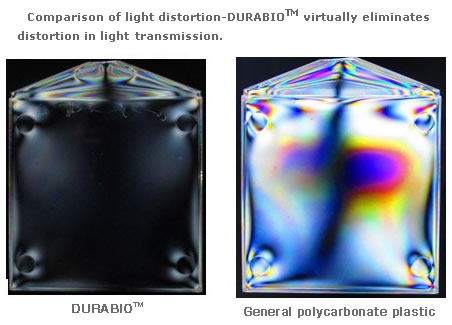
Mitsubishi Chemicals develops new grade of DURABIO™ bio-based engineering plastic for the automotive industry.
Written by
·
-

Toray Increases Activity in Automotive and Aircraft Industry
Toray to enhance production site and expand capacity for carbon fiber TORAYCA® Prepreg in the US for the Automotive and Aircraft manufacturing Industry.
Written by
·