
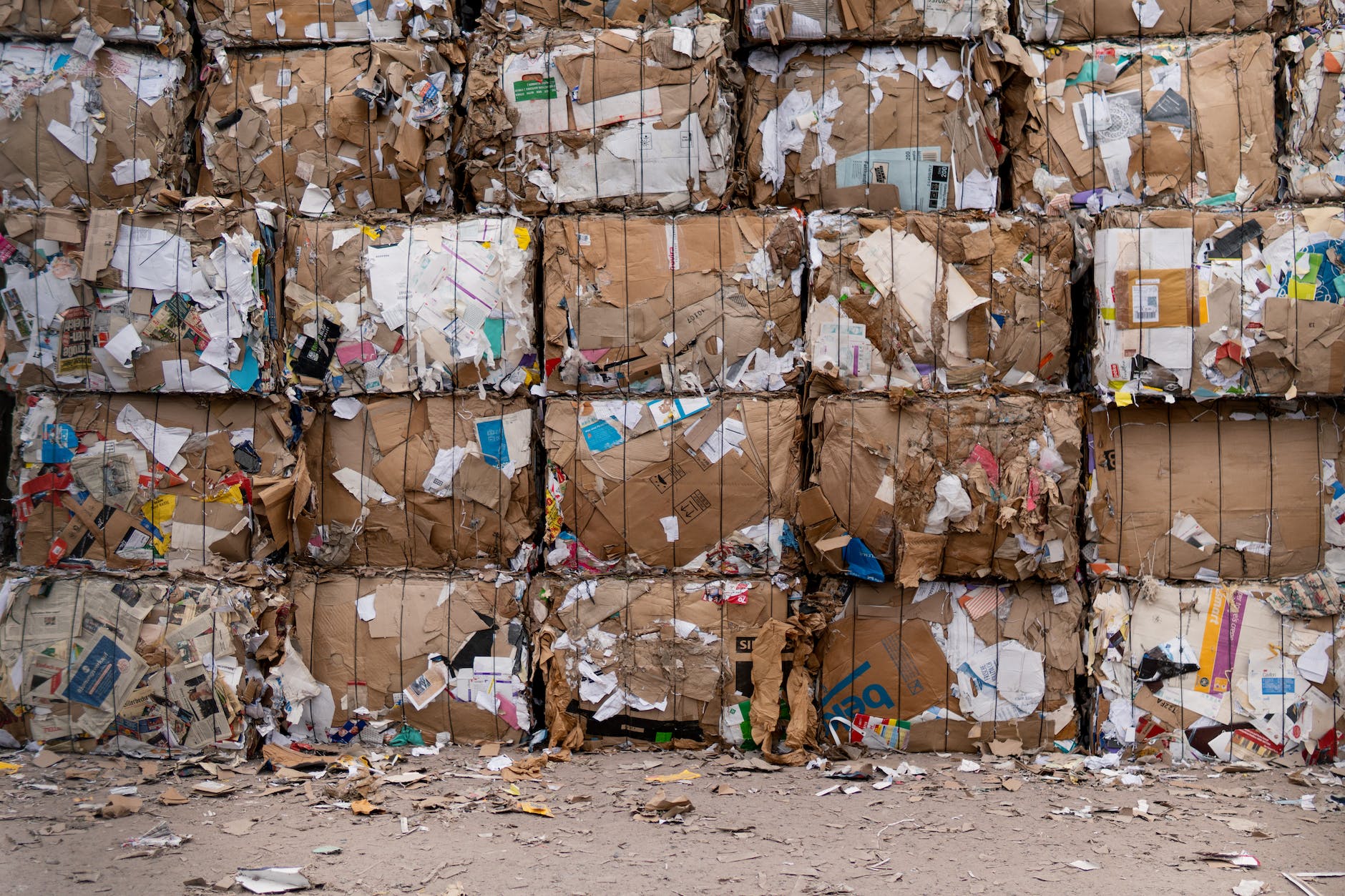
Europe Shuts the Gates: The Era of Waste Exporting Comes to an End
The days of shipping Europe’s trash to foreign shores are officially drawing to a close. On May 21, 2026, the European Union’s heavily revised Waste Shipment Regulation (WSR) — Regulation (EU) 2024/1157 — entered into full effect. This landmark legislative overhaul completely redefines how the bloc manages its industrial and municipal refuse, fundamentally shifting the responsibility of recycling and waste management back onto European soil.
The primary goal of the updated WSR is clear: ensure the EU takes responsibility for its own waste and prevent the environmental degradation of third-party nations under the guise of “recycling.”
Immediate Restrictions and Digital Surveillance
The May 2026 rollout introduced immediate, legally binding hurdles designed to halt illegal dumping and unmanaged waste flows. Most notably, the EU has instituted a strict ban on exporting mixed municipal waste for recovery to non-EEA (European Economic Area) countries. No longer can urban refuse be sent abroad to become another country’s landfill crisis.
Furthermore, the law introduces unprecedented digital transparency. To enforce these strict rules, the EU has launched the Digital Waste Shipment System (DIWASS). This mandatory electronic platform tracks all cross-border waste movements in real-time, removing the paperwork loopholes that previously allowed illegal exporters to slip through customs undetected.
The Crackdown on Plastic Exports
While municipal waste faces immediate bans, the global plastics industry is facing an even tighter squeeze. Under the May 2026 rules, all plastic waste exports outside the EU have transitioned to a strict Prior Informed Consent (PIC) procedure. Exporters can no longer simply ship plastic containers overseas; destination countries must now explicitly review and digitally approve the shipment before it can legally leave European ports.
However, the PIC procedure is merely a bridge to a much harsher reality. In just a few months—on November 21, 2026—a complete, non-negotiable ban on exporting plastic waste to non-OECD countries will officially take effect. This will effectively shut off access to traditional waste-receiving hubs in developing nations, forcing European chemical and recycling sectors to process plastic locally.
Industry Implications: A Circular Economy Forced by Law
The operational impact of this regulation cannot be overstated. For decades, exporting waste was the most economically viable option for many European companies. Now, with the borders closing, the EU must rapidly scale up its domestic recycling infrastructure to handle millions of tons of trapped plastic and municipal materials.
While this presents a severe logistics and capacity challenge for waste management firms in the short term, it serves as a powerful catalyst for the chemical industry. The sudden abundance of domestic plastic scrap is expected to drive heavy investments into advanced mechanical and chemical recycling facilities across Europe, accelerating the region’s transition to a truly self-sufficient circular economy.
Under the revised Waste Shipment Regulation, companies violating new rules face proportional financial fines based on waste tonnage and potential penalties tied to global annual turnover. Additional consequences include mandatory take-back orders for intercepted shipments, operational bans, and criminal prosecution for fraudulent violations.
Personal Remarks
EU waste was exported and dumped in many developing countries for decades …. says Reuters.
For the past thirty years, European citizens have been treated to a delightful, continent-wide performance piece called “The Household Waste Sort.” Every Tuesday evening, millions of us stand over our bins like high-tech factory workers, meticulously peeling plastic labels off cardboard wrappers, rinsing out oily tuna cans, and agonizing over whether a specific juice carton belongs in the yellow bag or the blue box.
We did this because Brussels told us we were saving the planet, one yogurt pot at a time.
But now that the EU’s shiny new Waste Shipment Regulation has finally crept into effect, the dirty little secret is out: for decades, your meticulously washed plastic wasn’t being magically reincarnated into eco-friendly park benches. It was being shoved onto massive, diesel-chugging container ships and dumped on the shores of developing nations—safely out of sight, and conveniently out of the Eurostat data pool.
Wouldn’t it be fair, then, for the European Commission to issue a grand, televised apology? Picture it: a somber bureaucrat standing in front of a blue flag, weeping softly as they thank the housewives of Munich and the hipsters of Amsterdam for spending cumulative centuries of their lives washing trash for absolutely no reason.
But no. Do not hold your breath for a Euro-mea-culpa. The European Union is simply not an organization engineered for introspection. Self-reflection requires a mirror, and Brussels prefers to look exclusively at spreadsheets.
To admit fault would break the spell of the grandest illusion in modern governance: the belief that passing a law is the exact same thing as solving a problem.
The reality of EU environmental policy has always been beautifully theoretical. The drafting rooms of Brussels are populated by brilliant minds who write flawless, utopian legislation that works perfectly—provided it remains trapped inside a PDF file. The moment these directives touch the messy, chaotic reality of global supply chains and human nature, they dissolve.
For decades, the EU’s definition of “recycling” wasn’t actually recycling; it was exporting. The strategy was simple: pass a strict environmental quota, realize local factories can’t actually meet it, and then pay someone else thousands of miles away to look at the garbage for us. Out of sight, out of mind, and flawlessly compliant on paper.
So, as the EU celebrates its new ban on exporting trash, don’t expect any humility about the mess left behind. Instead, expect a glossy new marketing campaign telling you to sort your bins even harder. After all, the theories in Brussels are always perfect—it’s the reality that keeps messing them up.