Category: Feedstock & Biomass
-

Can Bacteria Degrade Cellulose?
Researchers have uncovered details of how a certain type of bacteria breaks down cellulose—a finding that could help reduce the cost and environmental impact of the use of biomass, including biofuel production.
Written by
·
-

Brazil Sugar Briefing
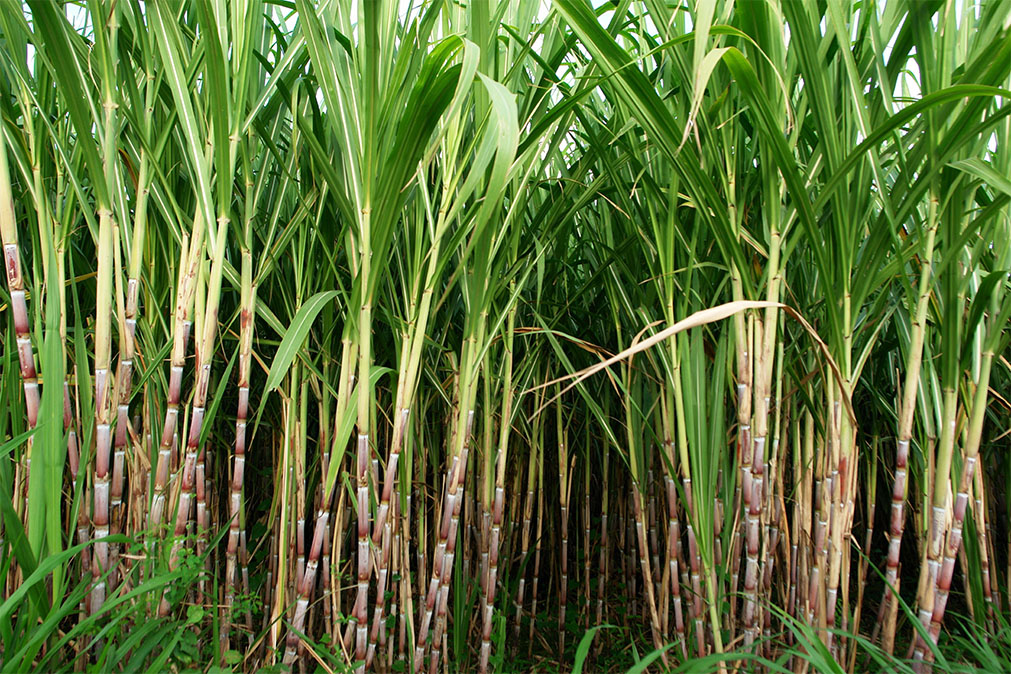
Brazil’s MY 2020/21 sugarcane crush has been revised upward to 655 million metric tons (mmt), due to overall favorable weather conditions in the north-northeastern growing region.
Written by
·
-

EU Sugar Briefing
You need sugar to produce some bioplastics. Eventually, producers may have to use EU sugar to produce “sustainable” EU bioplastics.
Written by
·
-

Yield10 Bioscience Completes Field Test Program Camelina and Canola
Yield10 Bioscience Announces Completion of Harvesting for 2020 Field Test Program to Evaluate Novel Yield and Compositional Traits in Camelina and Canola
Written by
·
-
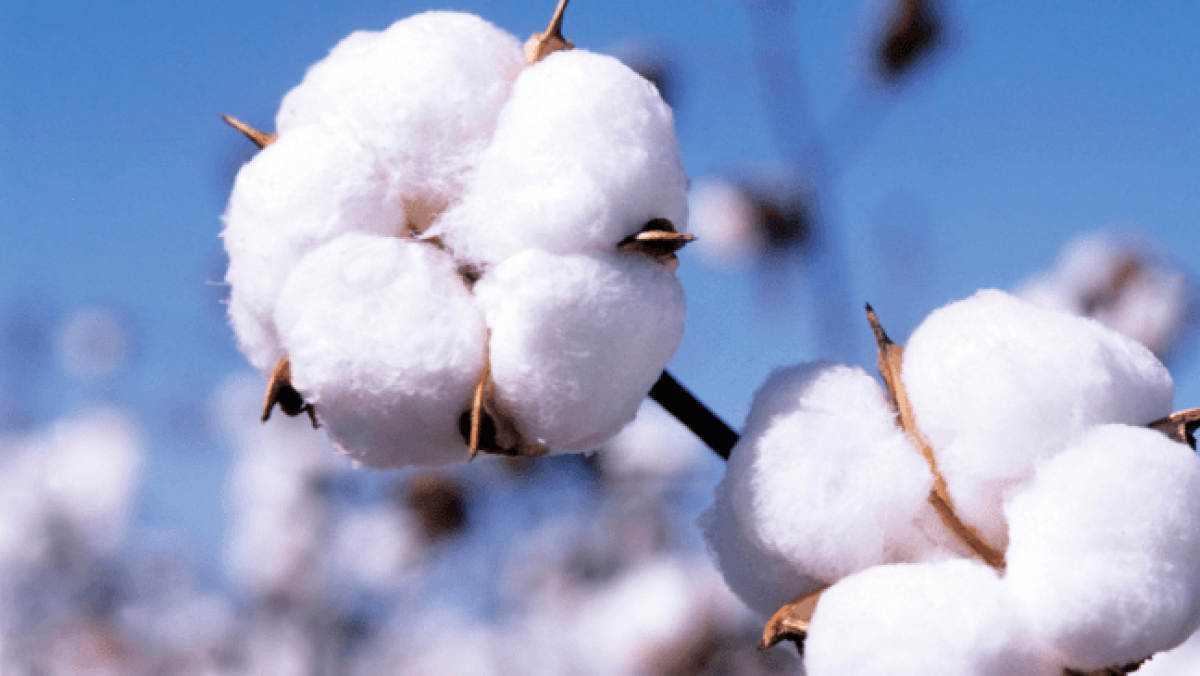
Turning Low Grade Cotton into Bioplastics
Converting low-grade cotton into gel with variable use qualities: Study
Written by
·
-

Straws, Forks and Bags Made From Methane
These carbon-negative, ocean-degradable straws and forks are made from greenhouse gases
Written by
·
-

Compostable Eucalyptus Pomegranate Hoodie
A hoodie made from eucalyptus trees dyed with pomegranate.
Written by
·
-

Is Your Supplier Destroying Rainforests?
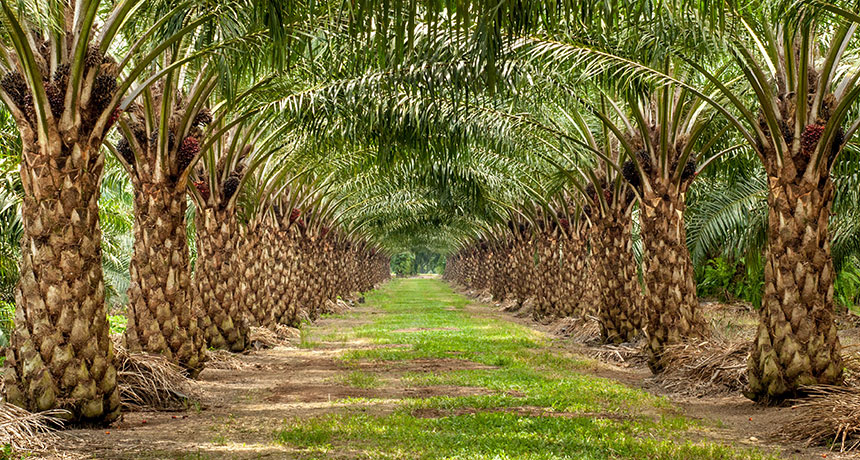
Are you buying rubber, palm oil or pulp & paper from a company involved in deforestation? First-ever database reveals true scope of financing of forest-risk commodity companies, amidst global rainforest fires. Search the database to discover the link between big banks, investors and forest-risk companies.
Written by
·
-
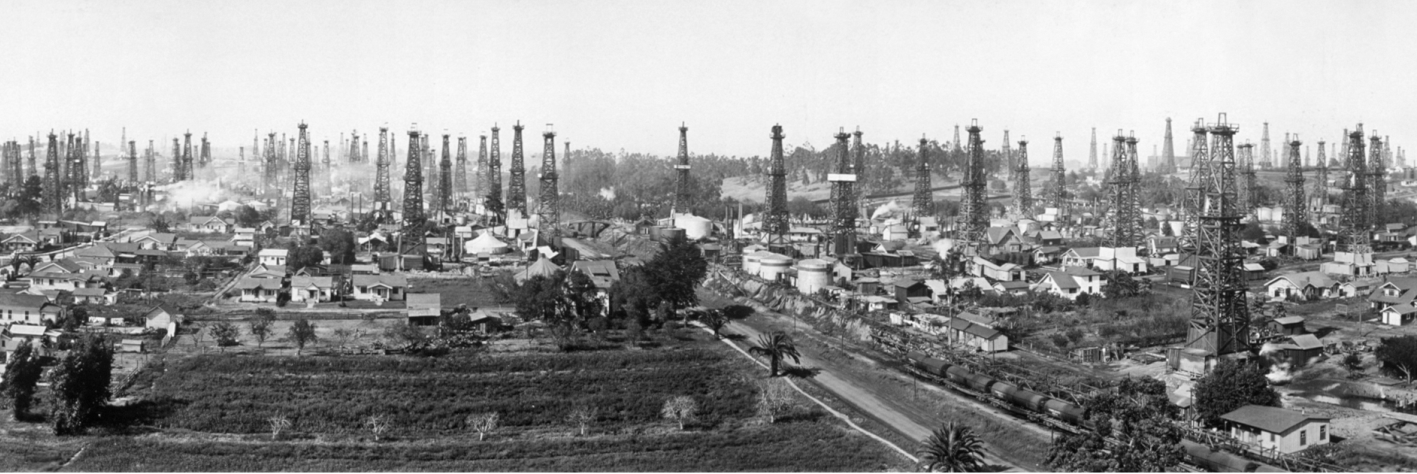
Fossil Oil Industry Will Grow Plastic Supply
Major oil firms plan to grow plastic supply to counter impact of shift against fossil fuels.
Written by
·
-

Everyday Products Made from Biomass
The US DOE found it useful to remind us that everyday products were made from biomass. A few may surprise You
Written by
·
-
Tropical Deforestation and Corporate Hypocrisy
A transparency assessment of timber and pulp companies.
Written by
·
-

Renewable Carbon Used by Chemical Industry
This summer the first survey on renewable carbon in the chemical industry was conducted. 20 to 25% of the carbon supply is already renewable.
Written by
·
-

Would You Like Pork in Your Bioplastics?
Some companies will use animal content including pork to produce bioplastics.
Written by
·
-

Sustainable Revolution: Brazilian Sugarcane and the Plastics Industry
Throughout my career at Braskem I’ve been asked one question more than any other.
Written by
·
-

Drone Made from Pineapple Leaves
Subscribe to BioplasticsNews.com to access premium content!
Written by
·
-
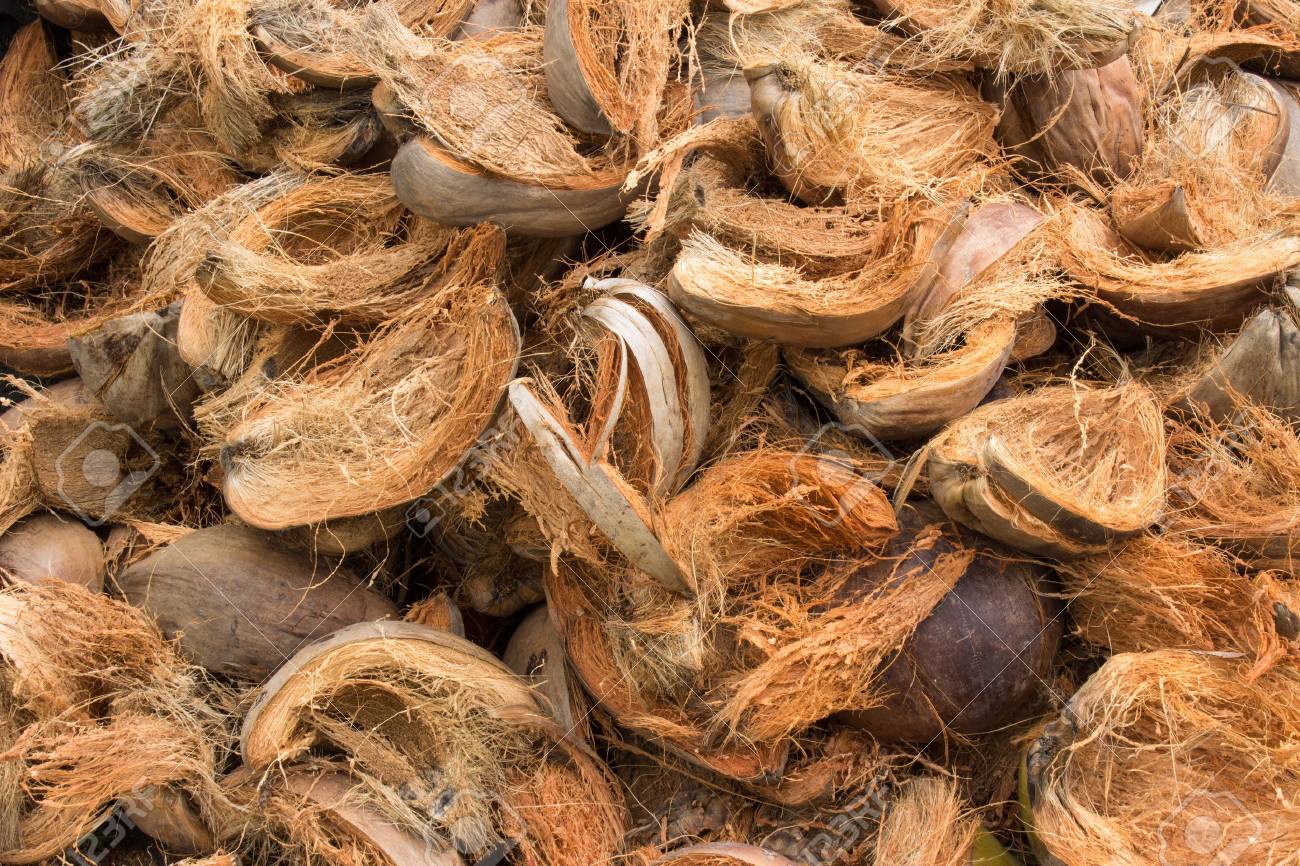
Is this the Coconut Material Leader?
70 billion coconuts are harvested annually – Buy a yearly subscription
Written by
·
-
Agilyx Launches Plastic Waste Feedstock Company
Agilyx Corporation a leader in chemical recycling, announced that it is leveraging its existing post-use plastic feedstock management system to create a new subsidiary company Cyclyx International.
Written by
·
-

Producing Sugarcane Bioplastics in Australia
Sugarcane regions urged to look at producing bioplastics, but viability a concern.
Written by
·
-

ExpandFibre To Convert Straw and Wood Pulp in Biomaterials
Fortum and Metsä Group to launch a joint EUR 50 million R&D programme in circular bioeconomy.
Written by
·
-
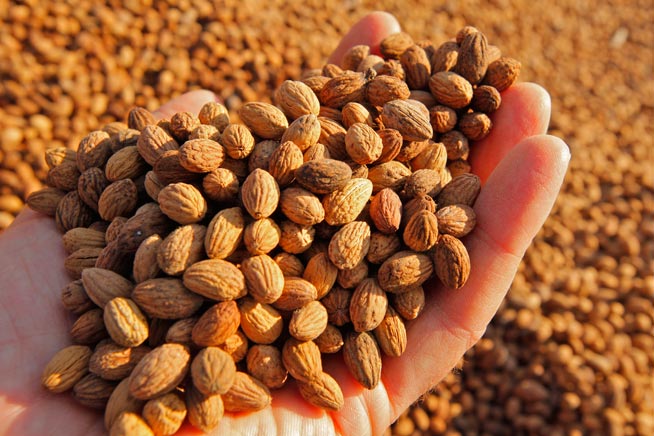
Bioplastic Packaging from Olive Waste
A Spanish joint venture has developed a new sustainable packaging material made from olive waste.
Written by
·
-

ABPDU Celebrates 50th Member
The U.S. Department of Energy’s (DOE’s) Advanced Biofuels and Bioproducts Process Development Unit (ABPDU) at Lawrence Berkeley National Laboratory is celebrating its 50th industry partner with Bay Area startup MycoWorks.
Written by
·
-

Chinese Invent Cellulose Nanofiber Plate CNFP
Plastic gives us a lightweight, strong and inexpensive material to use, but it has also caused the plastic apocalypse.
Written by
·
-

Ukraine To Limit Corn Exports
Ukraine is considering limiting corn exports in the 2019/20 season to 29.3 million tonnes, APK-Inform agriculture consultancy said on Friday.
Written by
·
-
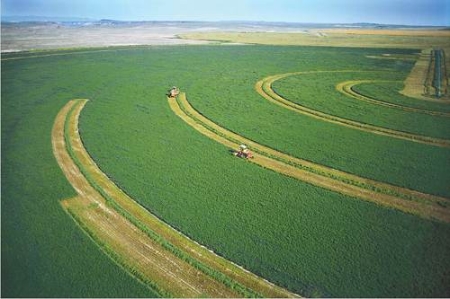
Dutch Project to Convert Biomass
PERFORM project has been started as a consequence of increasing demand in the chemical industry to be more sustainable and to reduce greenhouse gas emissions.
Written by
·
-
Finland Push to Replace Plastics with Fibres
VTT and 52 companies to cooperate to reduce need for plastics by using natural fibres.
Written by
·
-
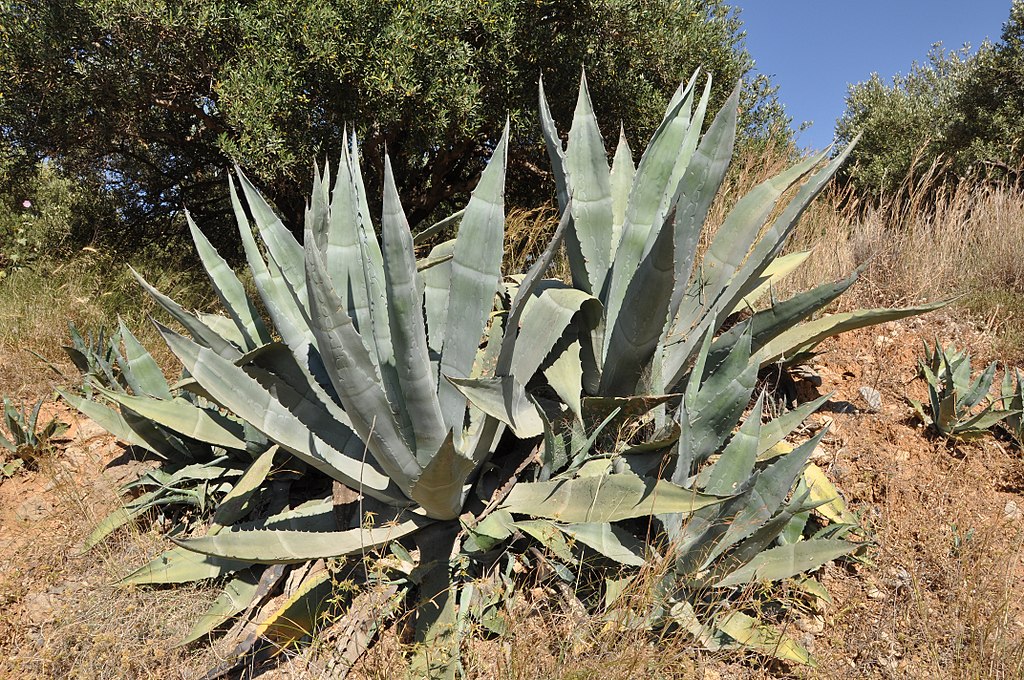
Easy to Grow Agave
Agave could be a new thing in fuel production, the researchers say. Requiring no irrigation, agave it cultivated on land unsuitable for food production.
Written by
·
-

Bioplastic from Used Coffee Grounds
We’ve been hearing more and more about eco-friendly biodegradable plastics, made from cellulose nanofibers.
Written by
·
-
Bioplastics from Olive Pits
Spain is the world’s leading olive oil producer and therefore generates considerable waste during the stoning process.
Written by
·
-

EU Digital Platform for Biomass Feedstock
The online tool is the first-of-its-kind and it aims to increase the efficiency of the biomass supply chain by using information and communications technologies (ICT).
Written by
·
-

Covestro Research on CO Feedstock
CO2 is not always the bad guy, it can be a valuable resource. The research and innovation project Carbon4PUR project is a proof of that according to Covestro.
Written by
·
-
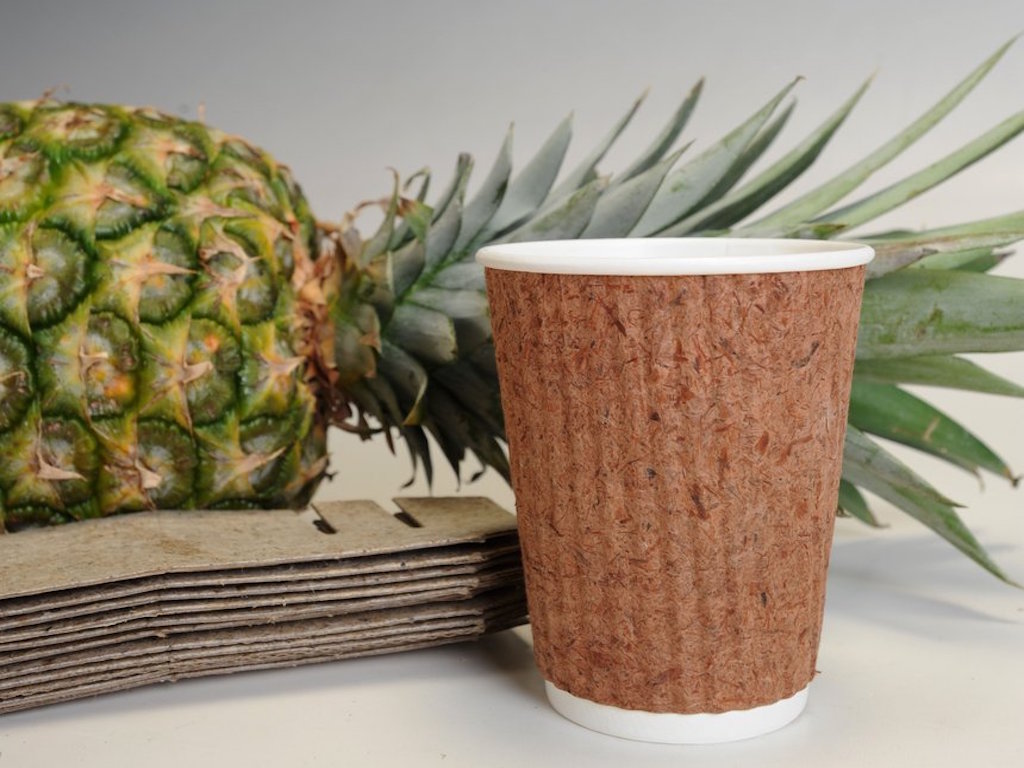
Cups and Bags Made From Pineapple Leaves
Developed by the Design Center of the Philippines, Pinyapel is a specialty paper made from pineapple leaves that would otherwise go to waste, which can be used to make a number of products from coffee cups to paper shopping bags.
Written by
·
-
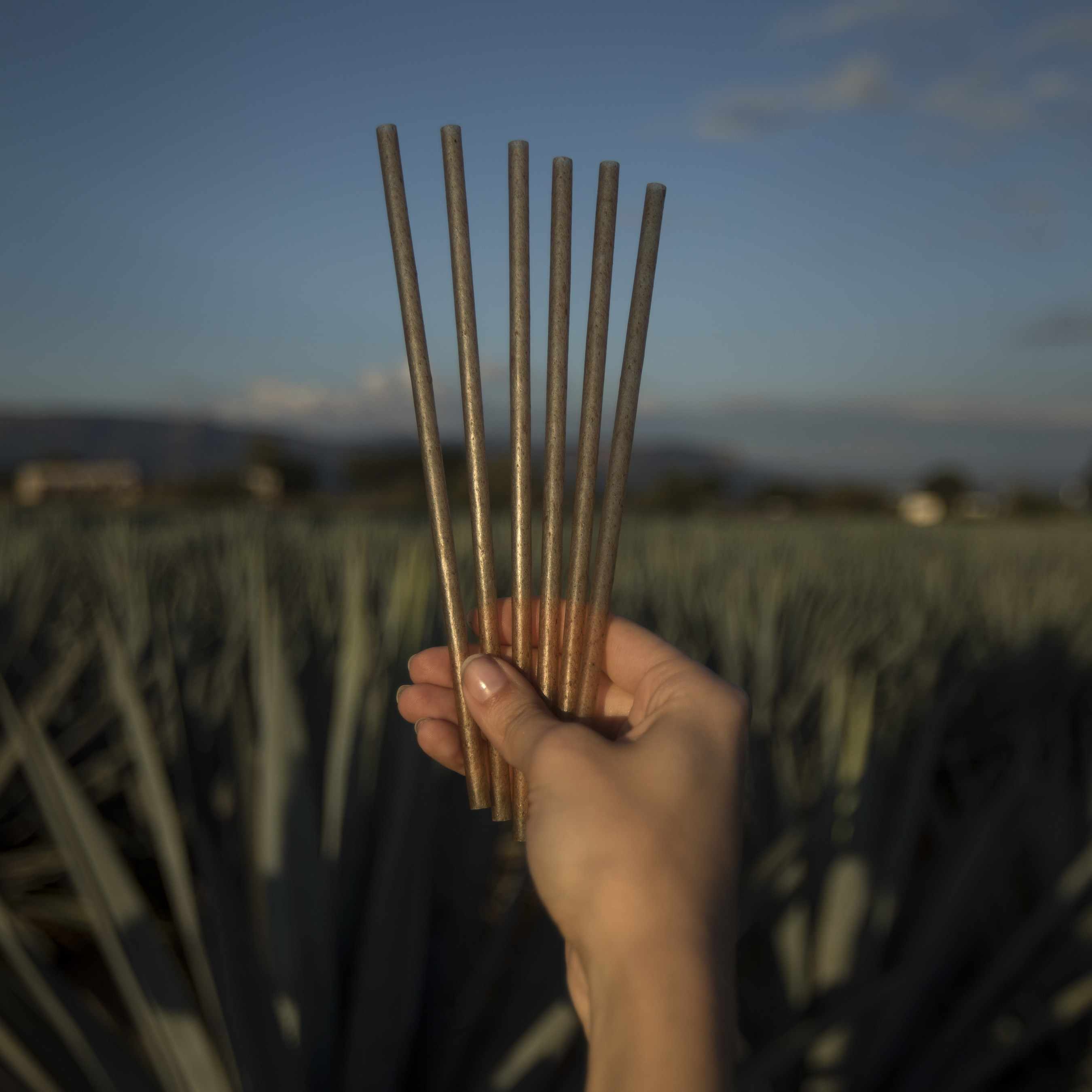
Oldest Tequila Company Launches Straws Made from Agave
First Family of Tequila Launches “The Agave Project” to continue its development of new technologies and traditional-plastic alternatives using its own agave by-product
Written by
·
-
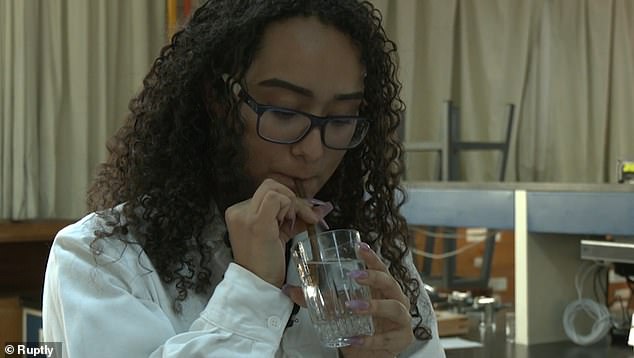
Straws Made From Mango Peel
Biodegradable straw made from mango peel wins first prize in university science fair and offers an eco-friendly solution to the scourge of plastic pollution.
Written by
·
-
Coconut Husks are Best Alternatives to Wood
For years, forests have been cleared because of illegal logging since the demand for wood was high, and lately, even though wood is not as necessary for manufacturing as it did before, the alternatives that were developed were not implemented fast enough.
Written by
·
-

Cargill To Disrupt Paper Packaging With Wheat-Based Starch Innovation
Cargill has expanded its range of packaging ingredients with the launch of C*iBond 25957, a cationic, wet-end starch designed for packaging paper applications.
Written by
·
-
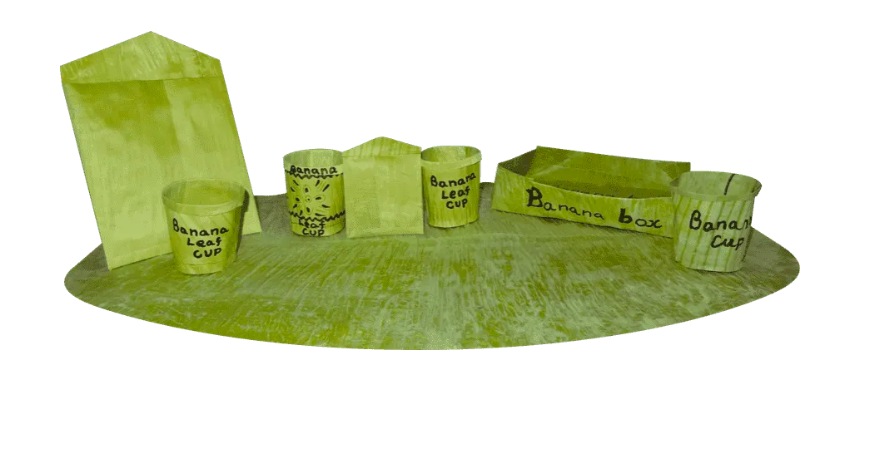
Technology Uses Banana Leaves as a Biodegradable Alternative to Single-use Plastic
Plastic pollution negatively impacts the health of our planet. Waste management has led to an irreversible environmental crisis that is felt by wildlife, especially in the oceans.
Written by
·
-
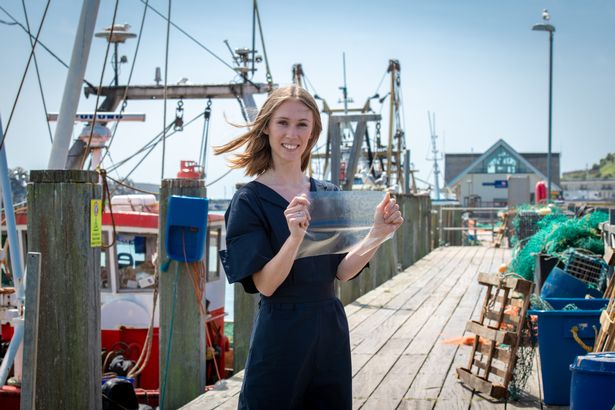
Bioplastics From Fish Guts and One Cod Can Make 1400 Bags
Lucy Hughes, a 23-year-old student at the University of Sussex, has developed MarinaTex – a bioplastic made from organic fish waste and red algae.
Written by
·
-

Spiders Silk Gives Strength To Wood-Based Bioplastics
Finnish researchers have combined the silk protein found in spiders’ webs with wood cellulose fibres to create a new durable form of bioplastic.
Written by
·
-

Pakistani Scientist Creates Bioplastics From Mango Kernel
A Pakistani scientist serving as Assistant Professor, Karachi University, Dr.Anjum Nawab on Monday claimed to generate bio plastic with mango kernel, easily dissoluble and has no threat to the environment, aquatic life and plant.
Written by
·
-

Lignin From Agro-Waste Helps Make Useful Nanocomposites
Lignin is a complex organic polymer rich in polyphenols with antimicrobial qualities.
Written by
·
-

Poland Invent New Method To Convert Food Waste into Bioplastics
At the Institute of Physical Chemistry of the Polish Academy of Sciences, researchers led by Prof. Juan Carlos Colmenares have now succeeded in producing Hydroxymethylfurfural (HMF) out of waste from food production.
Written by
·
-

One Third of Used Cooking Oil in Europe is Fraudulent and EU Will Limit Usage
EU curbs used cooking oil in biodiesel due to fears of fraud. One third of used cooking oil in Europe is fraudulent. EU throws the ball to member states to monitor RED II implementation.
Written by
·
-
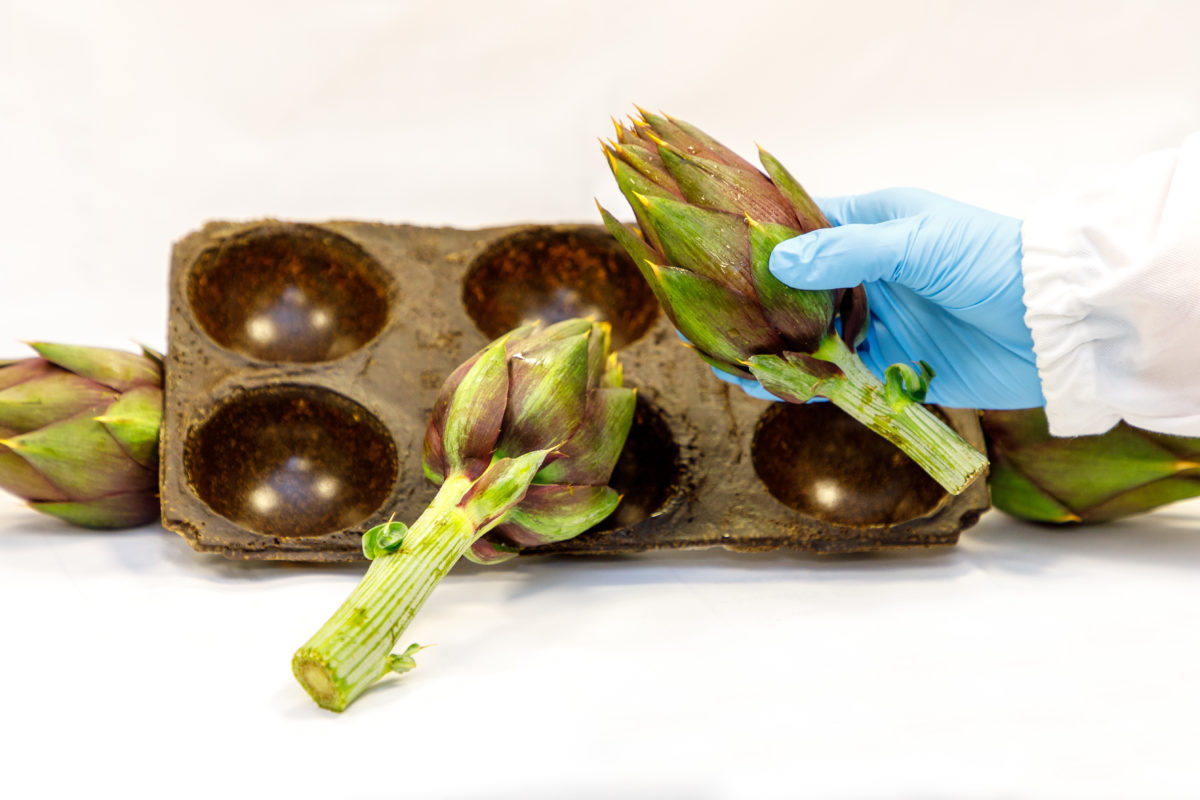
Turning Agro Waste Into Bioplastics
Istituto Italiano di Tecnologia in Italy’s port city of Genoa is making bioplastics from agro-waste. The institute has tied up with the city’s central vegetable market for sourcing raw material.
Written by
·
-

ARS At the Forefront of Cornstarch Research
At the 2019 BIO World Congress on Industrial Biotechnology and AgTech in Des Moines, Iowa, Agricultural Research Service (ARS) chemist Gordon Selling today reported on his group’s use of steam-jet cooking and other processing methods to create a starch-vegetable-oil-based complex with a variety of useful properties.
Written by
·
-
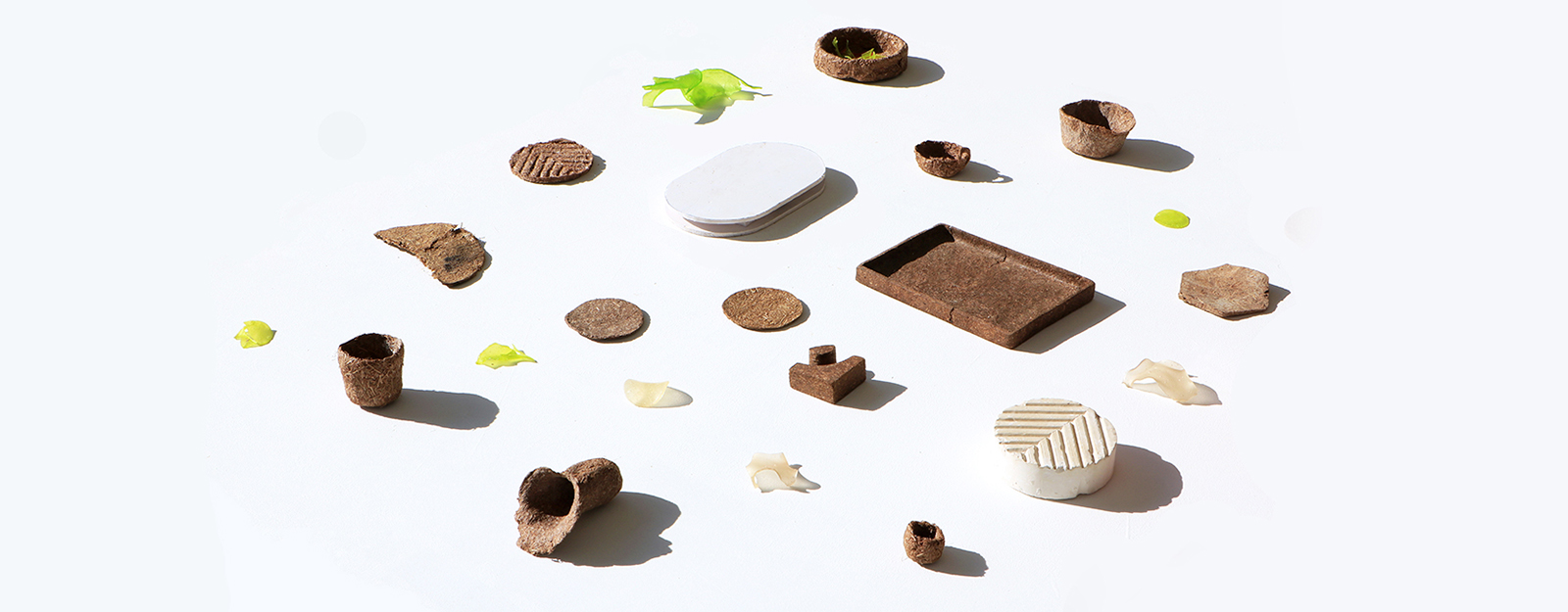
100% Bio-Based and Biodegradable Pine Needle Composite
‘Cheer Project’ is a research into pine needles in which the abundant and unwanted material is developed into a 100% bio-based and biodegradable composite material.
Written by
·
-

Navigating the Fast-Changing Landscape of Bioplastics and Biomaterials
Small and big companies looking to meet current buyer demand from consumers and retailers, swerve incoming regulatory levers and leverage recent technological innovations are pursuing new (but also, rather, incredibly old) solutions that downplay our reliance on petroleum-based plastics — alternatives that are sourced from plants.
Written by
·
-

Compostable Pen and Ink System Derived from Materials Found in Sewage
Every day, NYC turns 1.3 billion gallons of sewage into a material called biosolids by feeding it to microorganisms. Though once utilized to enrich soils, around 2.8 million pounds of biosolids has gone to landfill every day for the past ten years. Sum Waste proposes creating a sustainable industry out of it by producing bioplastics…
Written by
·
-

Turning Methane into Biodegradable Materials
Mango Materials is doing double time when it comes to saving the planet: not only is the company making biodegradable materials, but they are doing so by using microbes to “recycle” methane — a potent greenhouse gas.
Written by
·
-
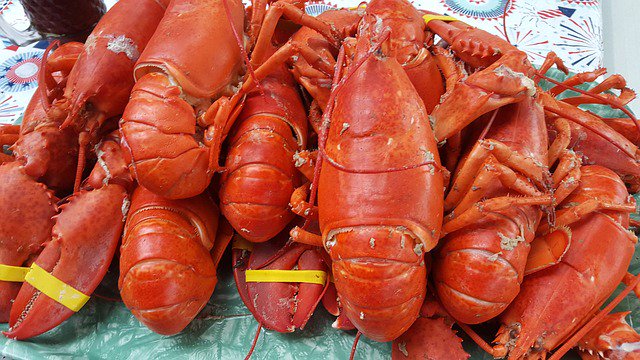
London Students Turn Lobster Shells into Biodegradable Packaging
A team of students at the Royal College of Art and Imperial College London developed a method that turns lobster shells into biodegradable “plastic.”
Written by
·
-
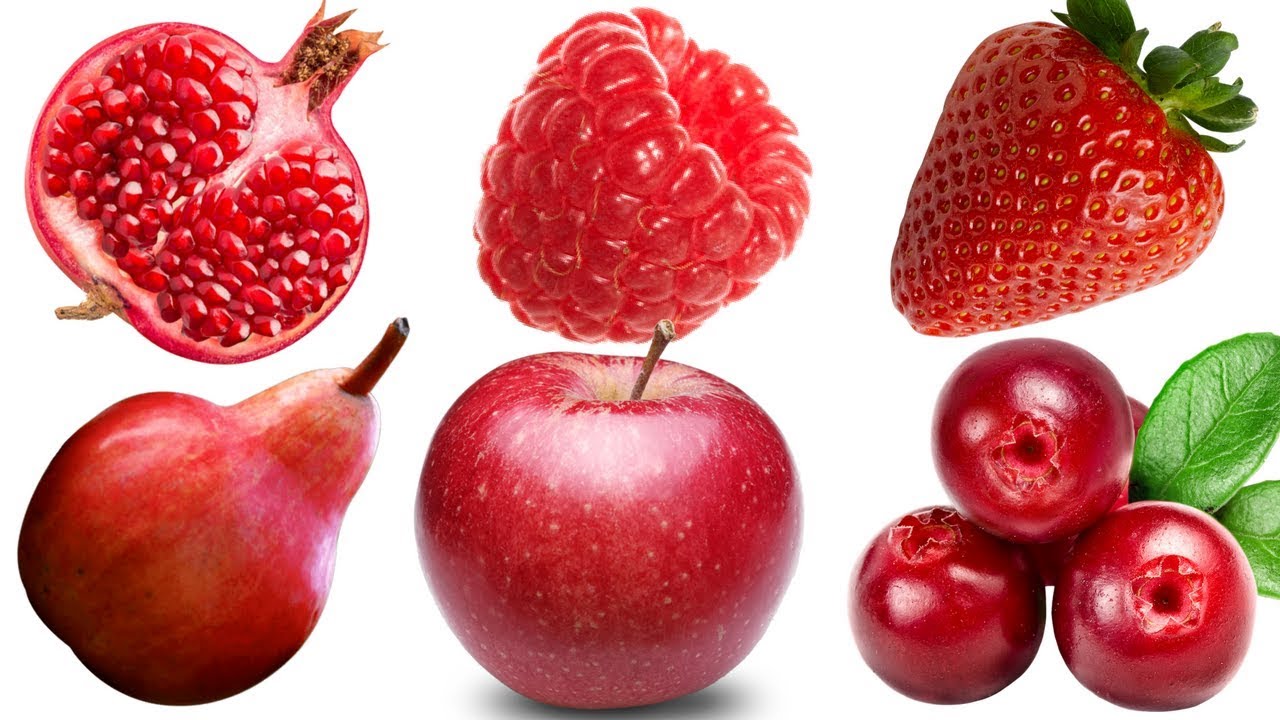
Bioplastic From Red Fruit Might Save Planet
Plastic is the number one enemy of our planet. While eco-activists encourage lessening plastic use all over the world, scientists and entrepreneurs are working on creating an eco-friendly material that could replace plastic.
Written by
·
-
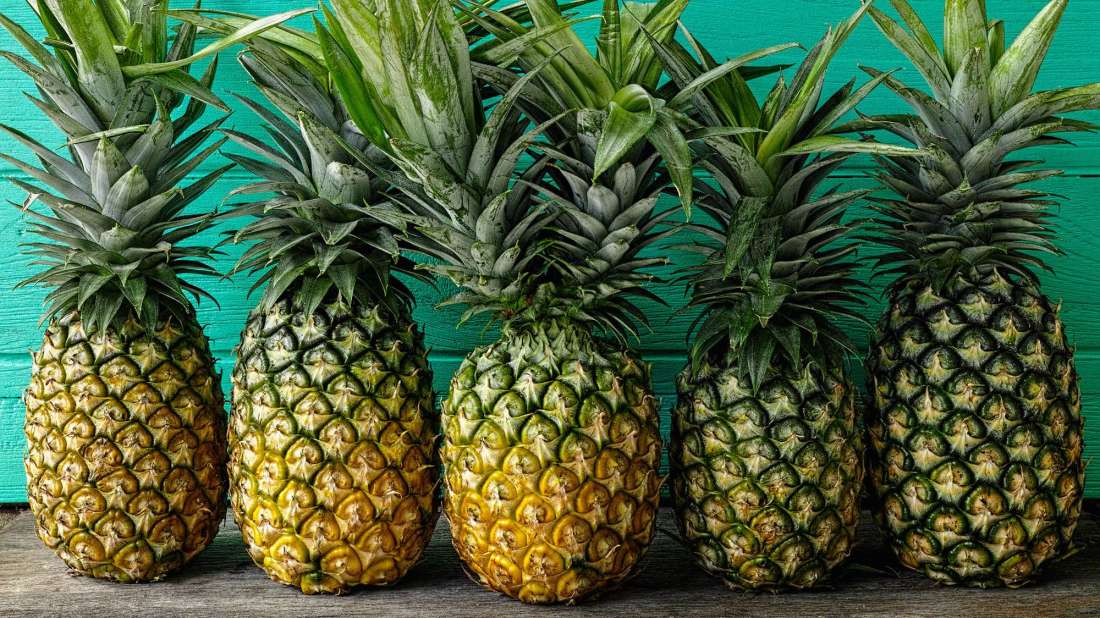
Pineapple Peels and Waste from Fresh Cut can be used to Create Bio-Based Plastics
The Star Group of Companies is researching a move towards bio-plastics in packaging innovation. They believe that if pineapple peels and the rinds from melons can be used to create bio-based plastics in the future then it is a huge win.
Written by
·
-
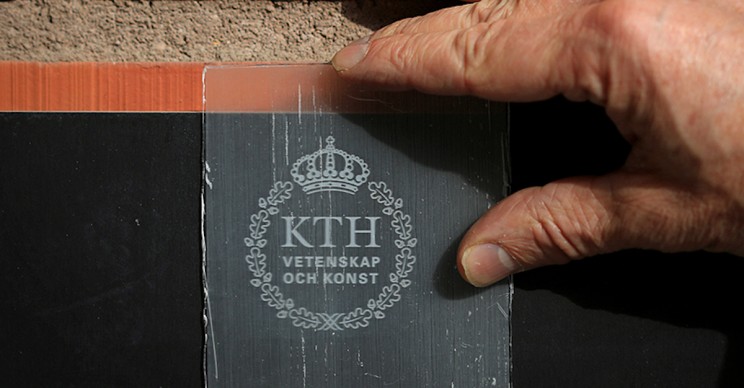
Clear Wood Could Replace Glass
Two groups of researchers have developed a transparent material derived from wood.
Written by
·
-
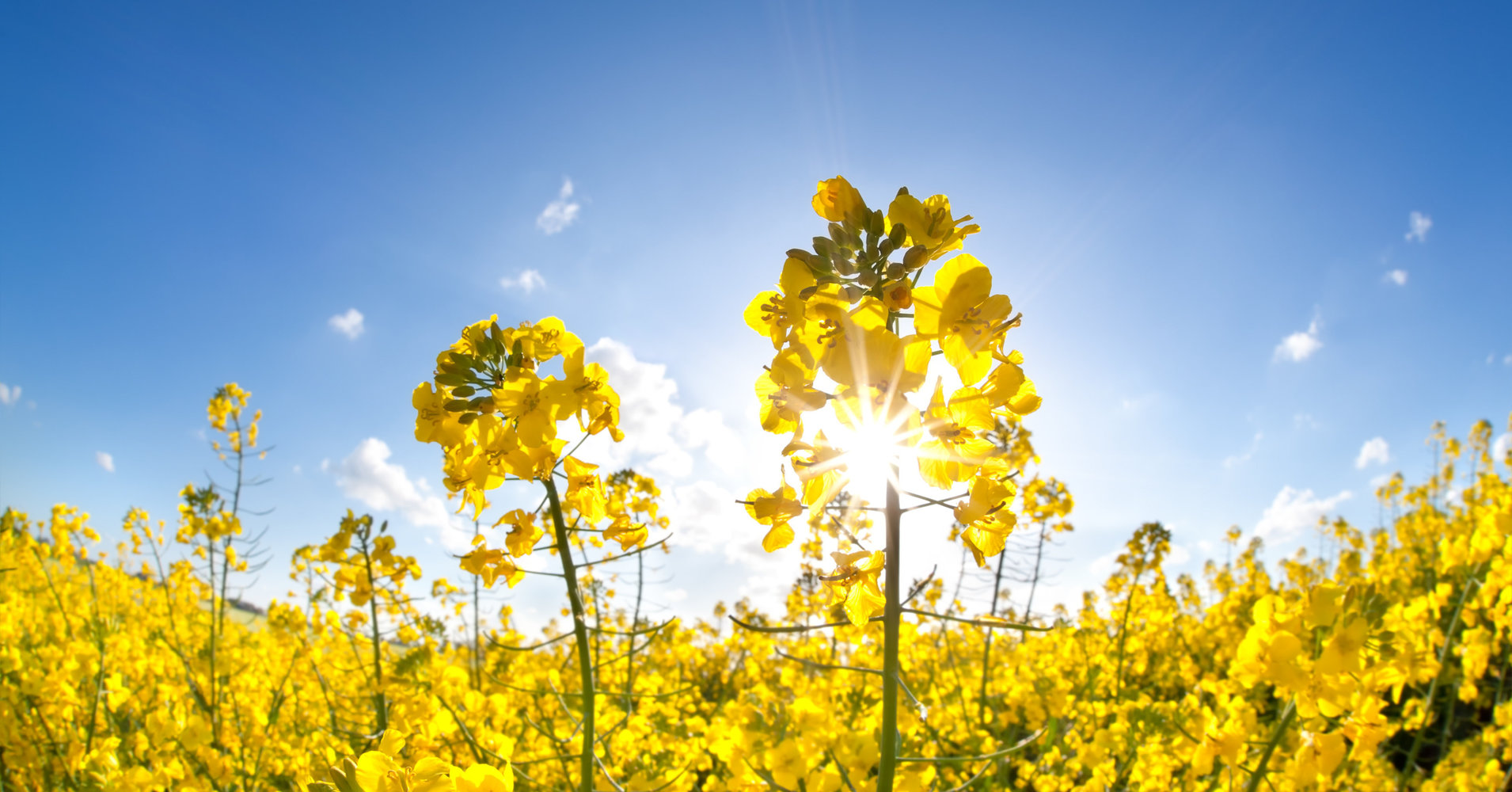
Canola-Based Plastic May Hit Market Soon
Biodegradable biopolymers can be used to make food packaging, drinking straws, cups, bottles, trash bags and bottles
Written by
·
-
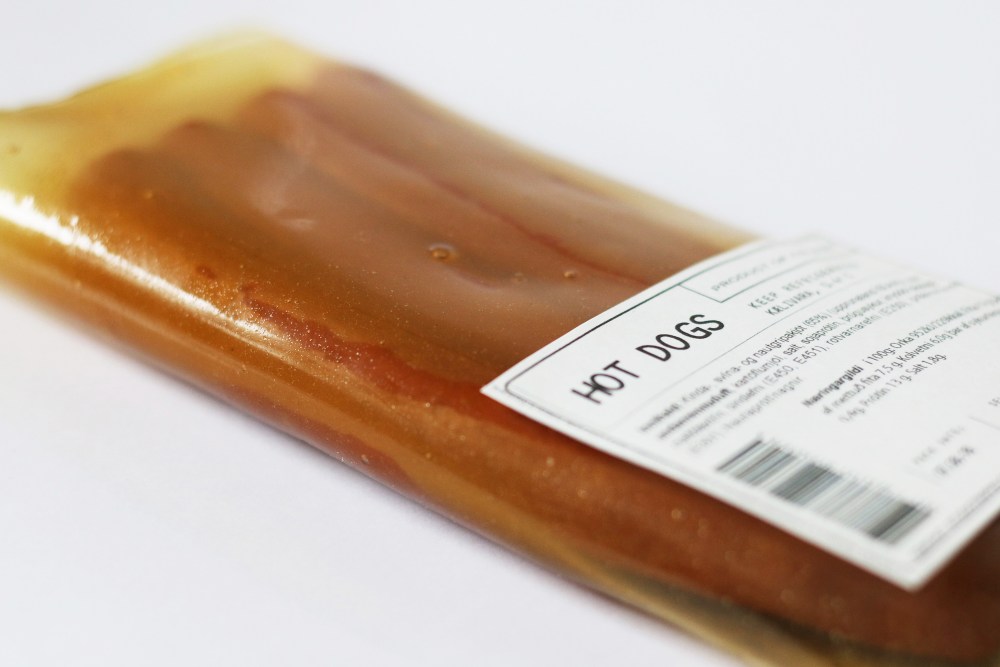
Reducing Animal Waste and Bioplastic Skin
Following the trends of last year—when she presented a series of clothing and furniture made of horse hides designer Valdís Steinarsdóttir now tackles the issue of waste generated in the meat and plastic industries.
Written by
·
-

Dakota Rice Corn and Soybean Annual Meeting
Monday evening the Dakota Rice Corn and Soybean Growers held their annual meeting at Jesse James Lanes in Northfield and talked about PLA.
Written by
·
-
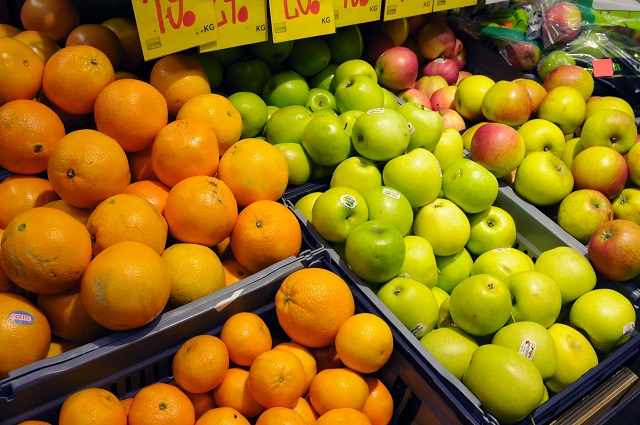
Swedish Researcher Makes Bioplastic from Fruit Waste
Even disposable items can be environmentally friendly, as shown by research at the University of Borås into making bioplastic out of fruit waste.
Written by
·
-

Will Australia Revolutionise the Bioplastics Industry?
Gene-editing sugarcane for use in renewable energy and bio-plastics could help secure the industry’s future.
Written by
·
-
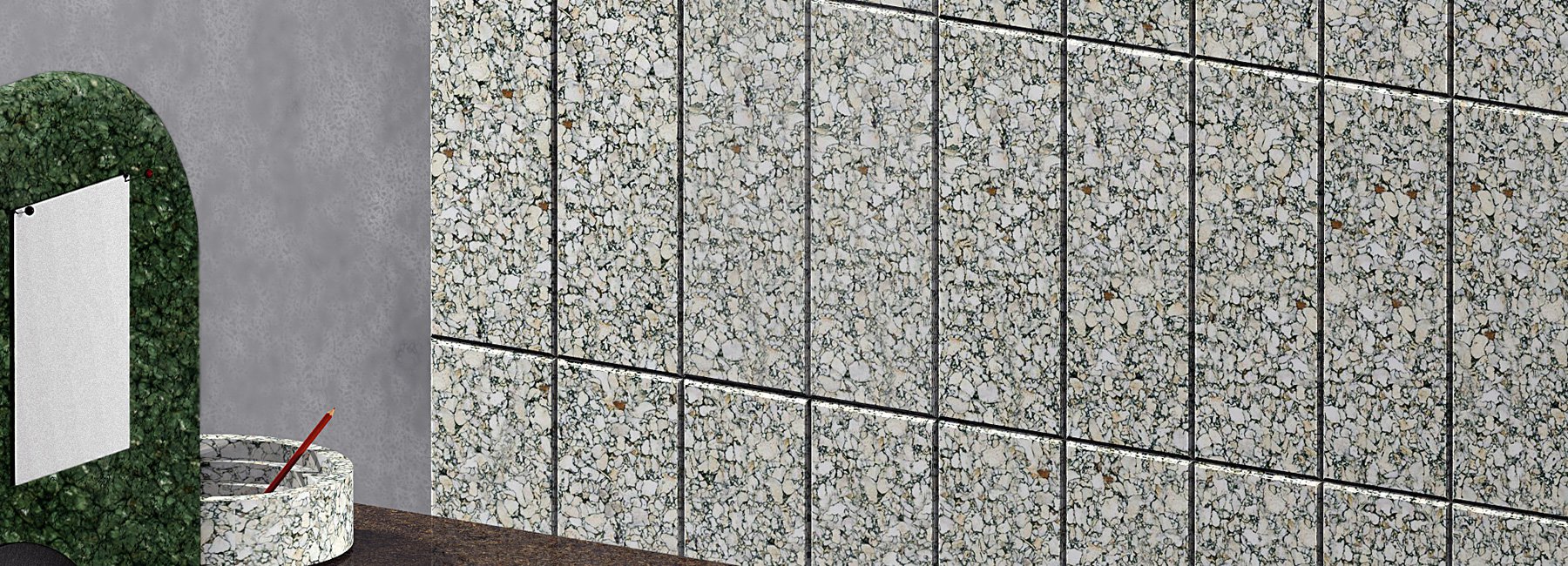
Biomaterial Made From Sunflowers
With the scientific expertise of the ENSIACET laboratory, studio thomas vailly has investigated for atelier luma, the potential of creating new materials from the by-products of sunflower crops. the project, ‘sunflower enterprise’ explores how sunflower biomatter can be transformed to form a range of new bio-based and biodegradable materials.
Written by
·
-

Bioplastics Made With Seawater
A new sustainable biopolymer made from microorganisms and spawned in seawater is aimed at helping to solve the plastic pollution problem.
Written by
·
-
Cellulose Film Packaging Gains Popularity with Plastic Reduction Initiatives
Cellulose film packaging material is being increasingly used in the form of pouches or bags in end use industries such as personal care and food & beverage. The growth of the cellulose film packaging market can be largely attributed to the issues arising from the indiscriminate use and disposal of plastic items such as bags,…
Written by
·
-
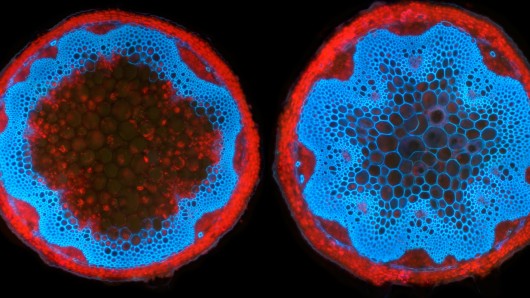
Lignin as 3D Printing Feedstock?
The Department of Energy’s Oak Ridge National Laboratory (ORNL) scientists have created a renewable 3D printing feedstock with lignin.
Written by
·
-
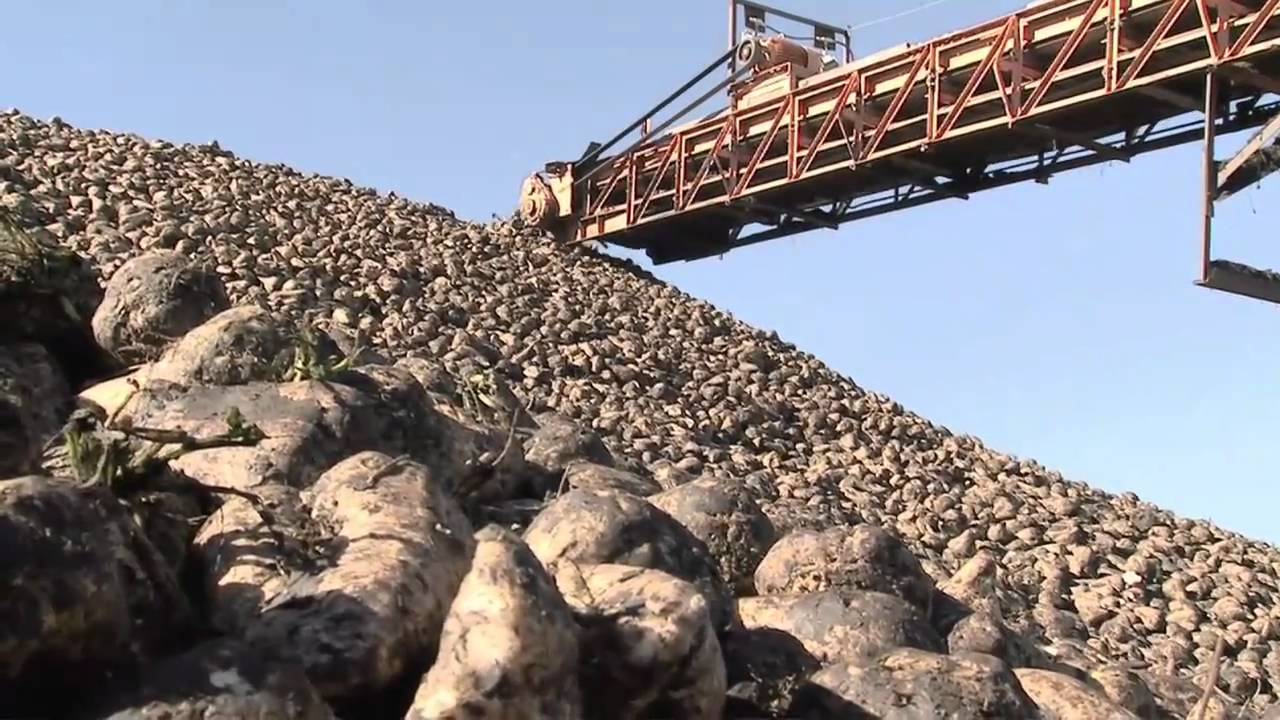
Why Sugar Beets are not Used in Bioplastic Production?
The answer is simple: the EU sugar policy.
Written by
·
-

Lignin in the Chemical Industry
Published by European Commission – Today nearly all aromatic chemicals are made from oil-based sources. European researchers proposed to use lignin, a structural component of many plants and algae, as an alternative raw material in chemical production.
Written by
·
-
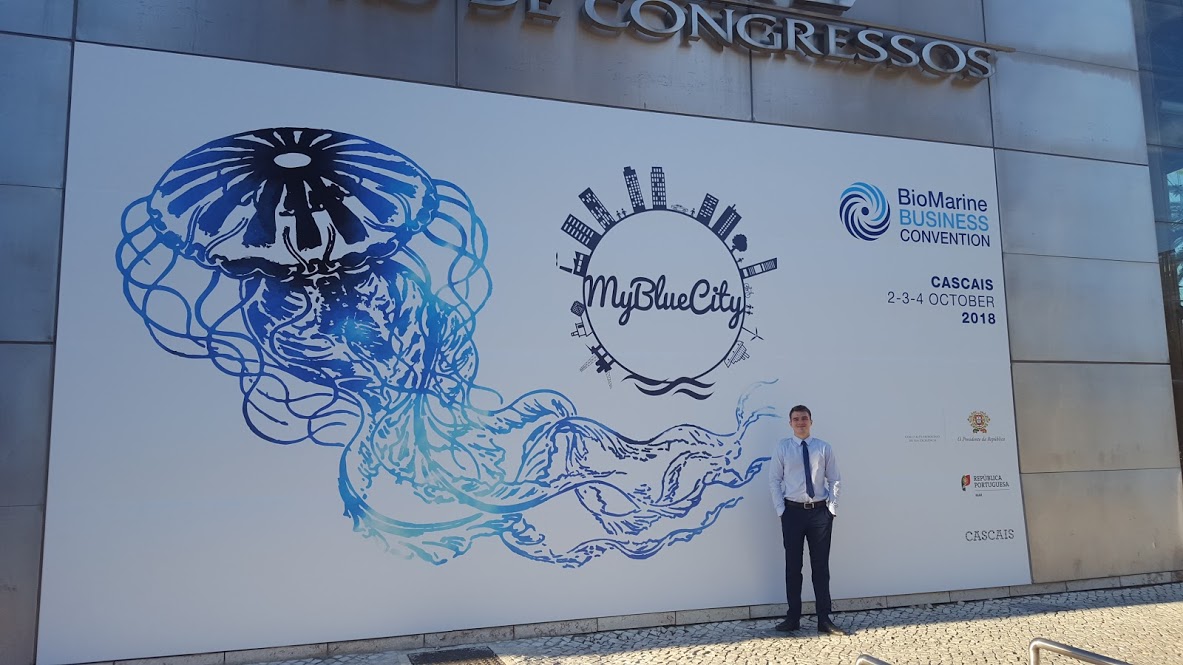
The Biomarine Conventon and The Future of Algae Bioplastics
The Biomarine Convention 2018 took place in Cascais (Portugal) from October 2nd to the 4th and it was a great success.
Written by
·
-
EU Project ReTAPP Converts Wood Into Bioplastics
Article Published by the European Commission
Written by
·
-
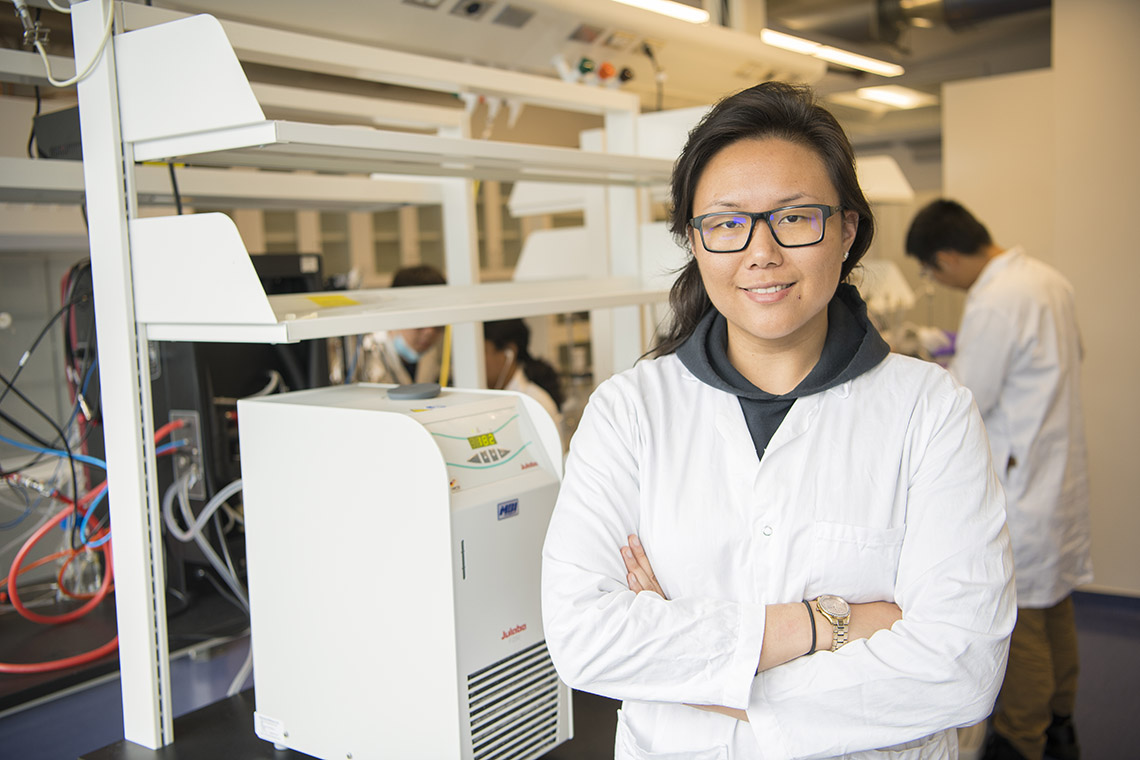
Canadian Student Transforms Food Waste into Bioplastics
University of Toronto Student Luna Yu converts food waste into PHA.
Written by
·
-
Bio-On Uses Cooking Oil To Make Bioplastics
Latest press release from Bio-On on the use of cooking oil to produce bioplastics
Written by
·
-

The History of Elephant Grass Bioplastics
Using elephant grass or miscanthus to make bioplastics is not new. Elephant grass was going to revolutionise bioplastics, but it didn’t. What happened?
Written by
·
-

Is using Recycled Plastics in Textiles Good?
Both newspapers published an article regarding towels made from recycled plastics. Their perspective was different and it brings up an interesting point.
Written by
·
-

Scientists Find Way to Break Down Biomass 30 Times faster
Scientists from Imperial College London have found a method to accelerate the process of breaking down biomass by 30 times.
Written by
·
-
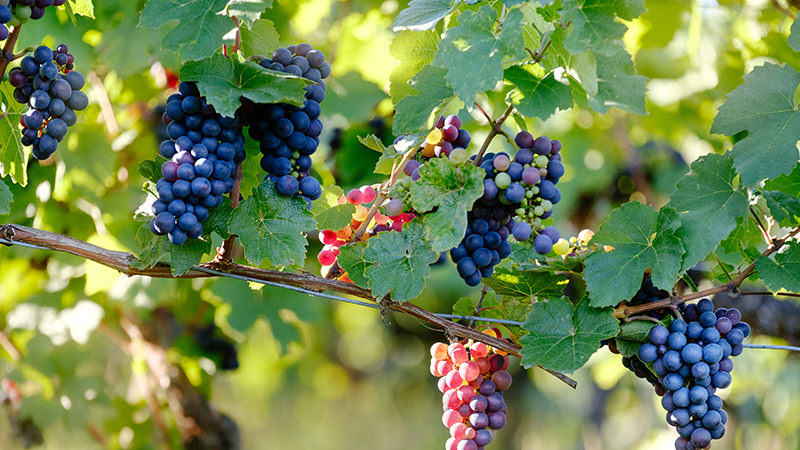
Wine Grapes Can Be Used to Strengthen Bioplastics
The French seem to have discovered a new way to use their Pinot Noir. Researchers from the University of Clermont Auvergne seem to have found a way to use wine grapes residue to reinforce bioplastics and plastics.
Written by
·
-

Feedstock for the Bio-Based Economy
Presentations given during the International Conference on Bio-Based Materials May 2018
Written by
·
-
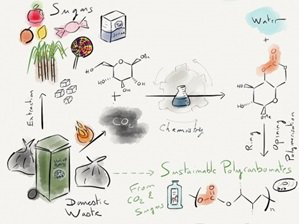
New Process for Biodegradable Plastics Production Using Sugar and CO2
Biodegradable plastics of the polycarbonate family could be made with sugar and carbon dioxide and thus replacing fossil carbon based polycarbonates. The Center for Sustainable Chemical Technologies (CSCT) at the University of Bath can be credited for this innovation.
Written by
·
-

Insects are a Novel Source of Biomaterials by Nathalie Berezina
Ynsects started in 2011. 25 employees today. It claims to be the leader in the rapidly emerging insect based feed industry. Producing high quality chitosan to fill the gap between global demand of reportedly 20kt and 2016 production of 2.6 kt.
Written by
·
-
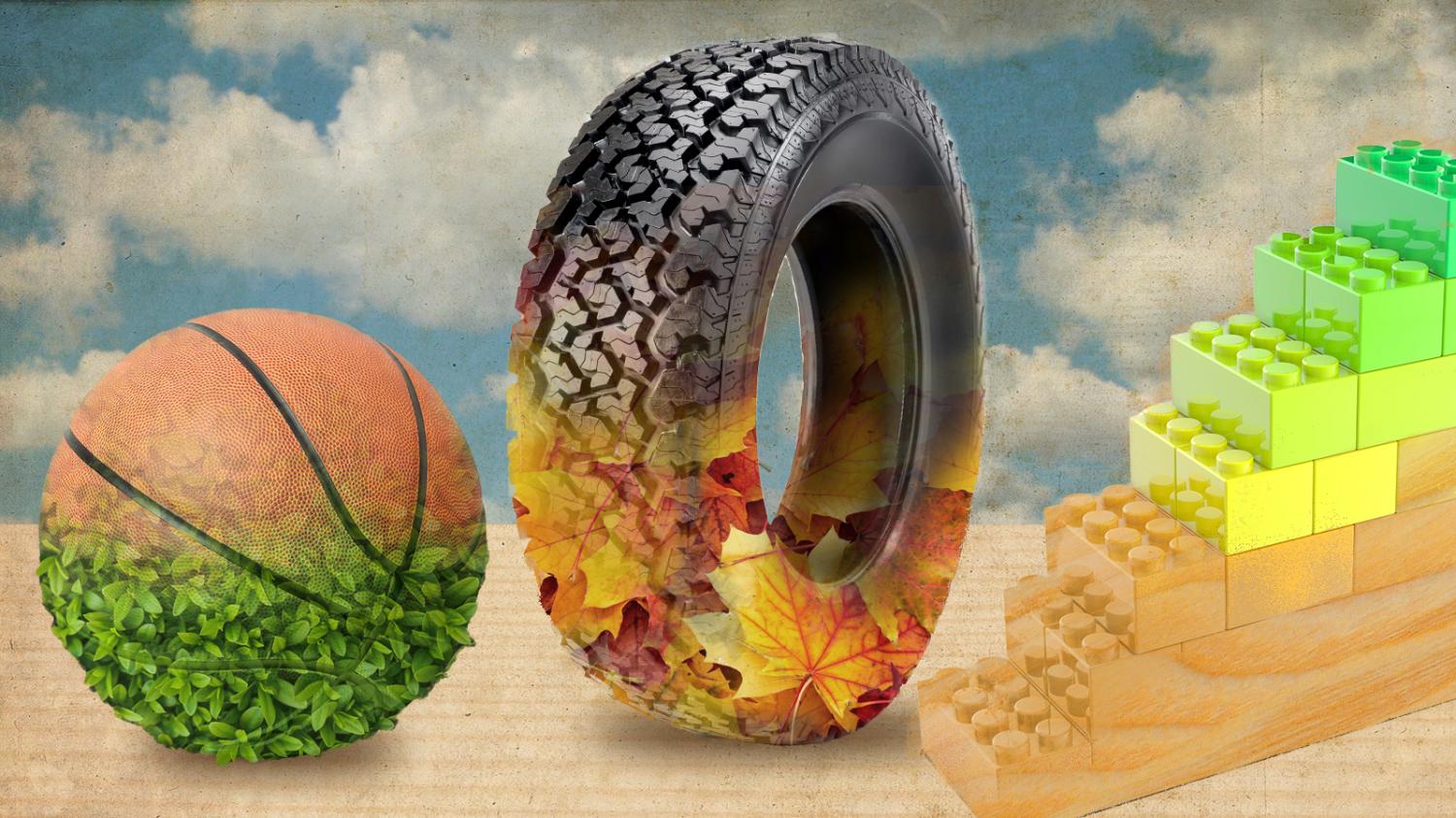
Biomass to Bio-Butadiene: New Low-Cost Sustainable Sources to Produce Butadiene.
Synthetic rubber and plastics – used for manufacturing tires, toys and myriads of other products – are produced from butadiene, a molecule traditionally made from fossil carbon sources, petroleum or natural gas.
Written by
·
-

We had Waste-to-Fuel. Now, we have Waste-to- Film
You’d heard about Waste-to-Fuel. This is a good example of the circular economy: beer spent grain fibers are used as a biodegradable waste resource to form hot-blown breathable thin films.
Written by
·
-

Turning Vegetable Waste Into Bioplastics
Italian team find new ways of converting vegetable waste into bioplastics. Italian researchers from the Italian Institute of Technology (IIT) have found a new way of turning vegetable waste directly into bioplastics that they say is more efficient and environmentally friendly than existing techniques to produce bioplastics. Current bioplastics are created by processing plant material to create monomers,…
Written by
·
-
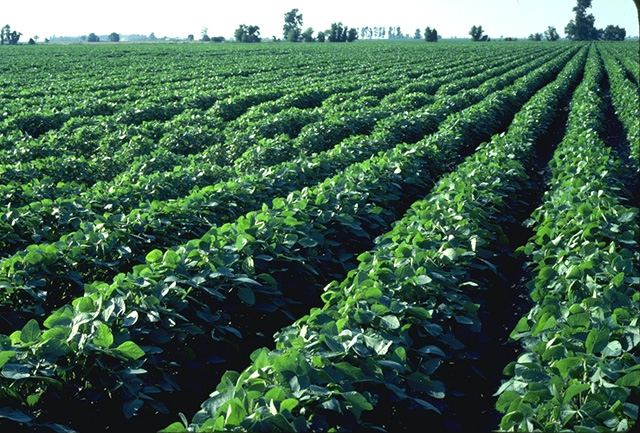
Bio-Carbonates from Soybean & CO2
A practical case of using CO2 as feedstock: Evonik’s Creavis is developing soybean oil-based bio-carbonates actually using CO2 as feedstock
Written by
·