Category: Universities, Institutes & Labs
-

Researchers Combine Biopolymers Derived From the Ocean to Replace Synthetic Plastic Films
Hierarchically reinforced biopolymer composite films as multifunctional plastics substitute
Written by
·
-

SDSU Researcher turns switchgrass into bioplastics
Biodegradable films from the lignocellulosic residue of switchgrass
Written by
·
-
What happens when sunlight breaks down plastics in the ocean?
Potentially harmful chemical byproducts are left behind, research finds
Written by
·
-

NREL tool to develop bioplastics
Pick Your Polymer Properties and This NREL Tool Predicts How To Achieve Them With Biomass
Written by
·
-
Researchers develop biodegradable polymers that are traceable without toxic contrast agents
New Biodegradable Polymers Traceable Without Toxic Contrast Agents
Written by
·
-

Putting an End to Plastic Separation Anxiety
Researchers have developed a process to break down the mixture of conventional and bio-based plastics that ends up at recycling centers
Written by
·
-

Bioactive composite supports healing of broken bones
A broken bone failing to heal represents an enormous burden for patients, which also often leads to further additional surgeries being required. Fraunhofer researchers have worked alongside partners to develop a composite material to be used in the treatment of such non-union cases.
Written by
·
-

Project to convert PE(T) waste into PHA and PHBV
Interantional project to convert PE and PET waste into PHA of the type PHBV
Written by
·
-

Cassava: Colombia’s hidden treasure on the path to bioplastic revolution
In a world where innovation and sustainability intertwine in an endless dance of possibilities, an unassuming root crop known as cassava emerges as an unexpected protagonist in the quest for eco-friendly solutions.
Written by
·
-
ORNL scientists close the cycle on recycling mixed plastics
ORNL’s organocatalyst deconstructs mixed plastics at different temperatures, which facilitates recovering their individual monomers separately, in reusable form.
Written by
·
-

Chemist Unlocks Plastic Alternatives Using Proteins and Clothing Scraps
Challa Kumar has developed methods to create novel plastic-like materials using proteins and fabric
Written by
·
-

Bioplastics from manure
U of I professor’s project turns cow manure into biodegradable plastic
Written by
·
-

Belgian University develops new technique to convert CO2 into plastics
New technique can capture or reuse CO2 as a chemical source for the production of sustainable plastics
Written by
·
-
Clemson Launches Compostable Packaging Research Initiative
The initiative from The Sonoco FRESH food, packaging and sustainability institute will bridge lab-based R&D with the larger-scale campus organics recycling system.
Written by
·
-

Algae-Based Manufacturing System Uses Co2 To Create Eco-Friendly Plastic
Biodegradable plastics made from sustainable sources and CO2 are one step closer to reality thanks, in part, to a Mizzou Engineer’s expertise in bioprocesses and bioproducts.
Written by
·
-
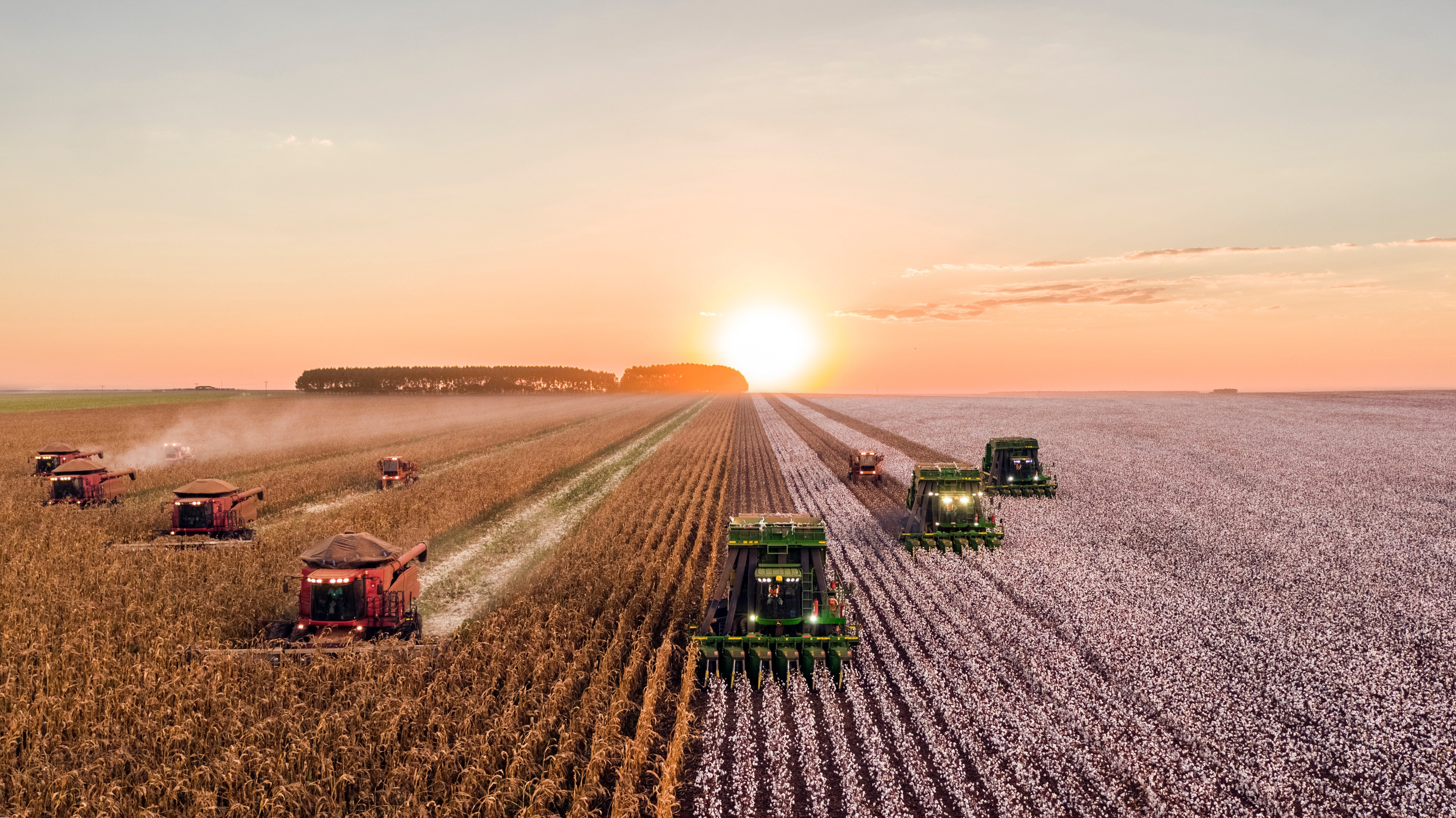
Bioplastics creates microplastics and contaminate farmlands (WUR study)
Compostable plastic is marketed as soil biodegradable plastics in the agricultural sector (mulch films). EU funds are allocated to develop such films and to make us eat plastic. Bon appétit!
Written by
·
-

Aimplas to develop PHA packaging from beer waste
The BioSupPack project advances in the development of bio-based packaging solutions derived from beer production waste
Written by
·
-

Saudi Arabia and China partner on biodegradable plastics
The project will be commercialized in two years, with the next year spent building the facility and producing 1 ton of bioplastics.
Written by
·
-

Lignin Coating for Geotextiles
Lignin Coating Makes Geotextiles Made From Environmentally Friendly Natural Fibers Durable
Written by
·
-

AIMPLAS turns poultry feather waste into foams
AIMPLAS turns poultry feather waste into sustainable foams suitable for hydroponic crop systems
Written by
·
-

From sludge to fuel: Researchers are getting ready to produce green oil in Denmark
Very soon the first green fuel will be made from the sludge in our wastewater. This is the culmination of many years of research and the first oil is planned for delivery to a refinery in the Danish city of Fredericia early next year.
Written by
·
-

Dutch project BIOTTEK aims to develop new biopolyester with 6.6 million EUR investment
A consortium of Senbis and Dutch universities and research institutes plans to invest 6.6 million EUR in the development of a new biodegradable polyester The consortium receives a 3.3 million EUR grant through the European Just Transition Funds ( JTF).
Written by
·
-

UW–Madison project combines art, policy and science to plant-based plastics
UW–Madison project combines art, policy and science to create plant-based plastics and benefit marginalized communities
Written by
·
-

Purdue team examines bio-impact of forever chemicals
Purdue team examines bio-impact of toxic chemical cocktails in the environment
Written by
·
-

Marine bacteria take a bite at plastic pollution
A bacterium found in the sea can degrade a plastic that otherwise resists microbial breakdown in marine environments.
Written by
·
-

University of Alberta Researcher develops better ways to convert CO2 and biofuel byproducts into valuable chemicals
A pair of processes could add up to a win-win for industry and the environment.
Written by
·
-
New biobased recyclable polyesters exhibiting excellent tensile properties beyond polyethylene and polypropylene
Accelerating research and development on sustainable polymers enabled by synthesis using high-performance catalyst
Written by
·
-

CU Boulder Says no to compostable plastics
Here are three things to know about how this change impacts composting on campus.
Written by
·
-

UConn student develops mycelium surfboards
A UConn student is growing surfboards in her laundry room as an alternative to plastic foam boards
Written by
·
-
CU Boulder uses coffee for 3D printing
Researchers at CU Boulder are using old coffee grounds to 3D print a wide range of objects—from jewelry to pots for plants and even, fittingly, coffee cups.
Written by
·
-

Qatar University researchers develop innovative nanomaterial from date palm waste
From Nature To Nanotech: Qu Researchers Develop Innovative Nanomaterial From Date Palm Waste
Written by
·
-

The role of switchgrass in the bioeconomy
Research on Panicum virgatum, a species native to North America commonly known as switchgrass, and the big role it could play in a more sustainable future.
Written by
·
-

Bursting bubbles move microplastics from the ocean to the atmosphere
Using high-speed photography, researchers at Princeton and Cornell University have demonstrated that the ocean can transport microplastics into the atmosphere, adding to evidence that the sea may not be the final resting place for plastic pollution it is often thought to be.
Written by
·
-
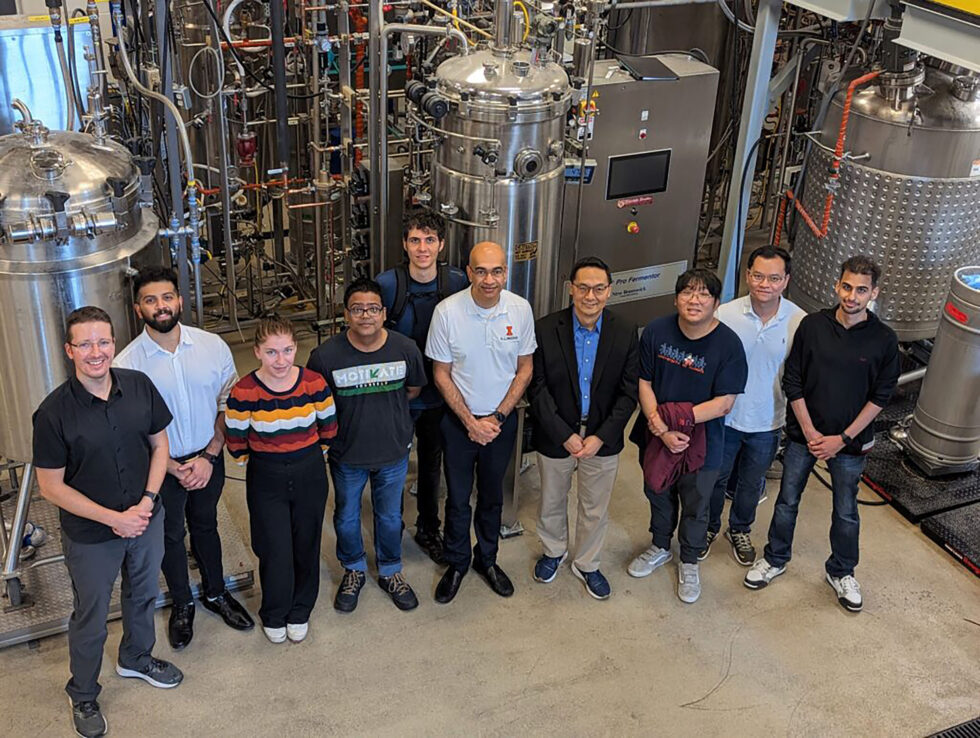
New Pipeline Makes Valuable Organic Acid from Plants — Saving Money and Emissions
In a breakthrough for environmentally friendly chemical production, researchers at the Center for Advanced Bioenergy and Bioproducts Innovation (CABBI) have developed an economical way to make succinic acid, an important industrial chemical, from sugarcane.
Written by
·
-
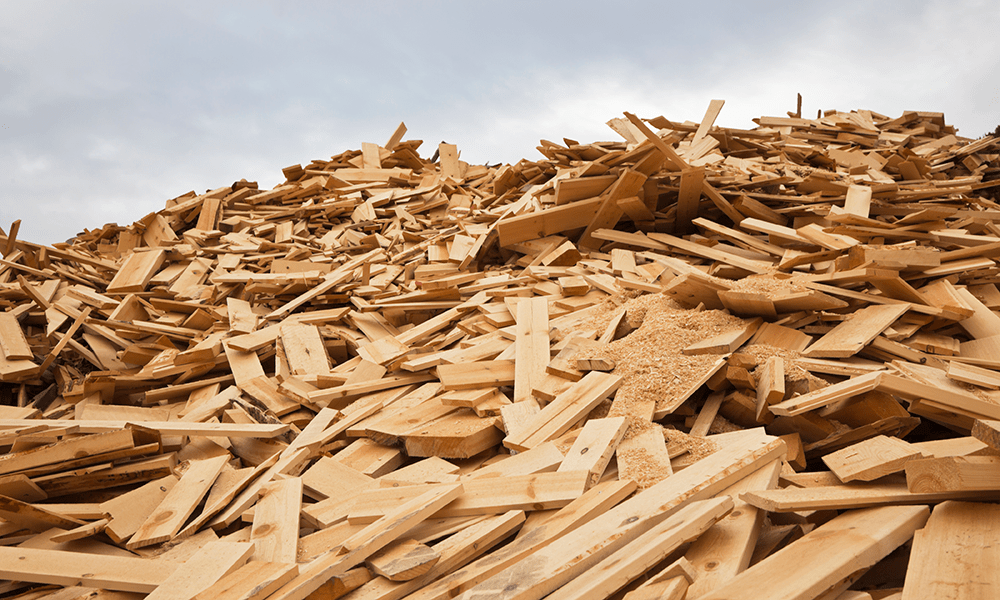
Wood waste transformed into transparent, anti-fog coating
Is wood brown, blue, yellow, or transparent? Researchers discovered ways to make transparent and colourful coatings from wood
Written by
·
-
Investigating the role of greener plastics for Japan’s carbon neutral goals
Japan’s plastic problem is a huge barrier to carbon neutrality. Could bioplastics and recycled plastics be the answer?
Written by
·
-
Researchers develops biodegradable plastic alternative using discarded coffee grounds
Could spent coffee grounds provide an alternative to plastic packaging?
Written by
·
-
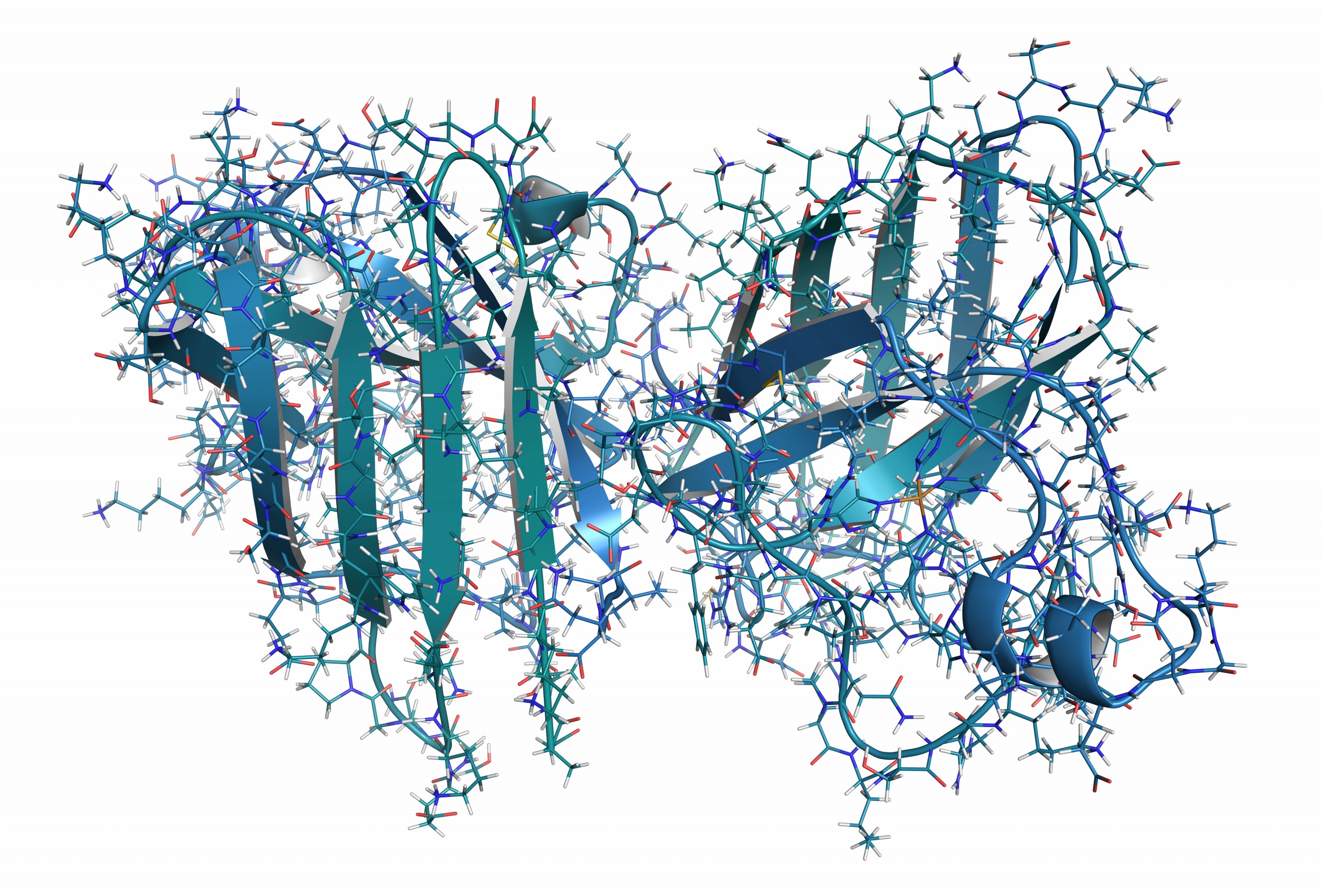
New deep-sea enzyme breaks down PET plastic
An archaeal lid-containing feruloyl esterase degrades polyethylene terephthalate
Written by
·
-

Scientists reveal the date Earth will face a mass extinction that wipes out all humans
A new study shows unprecedented heat is likely to lead to the next mass extinction since the dinosaurs died out, eliminating nearly all mammals in some 250 million years time.
Written by
·
-

Transforming plastic waste into detergents with dirty process
Our plastic waste can be used as raw material for detergents, thanks to an improved catalytic method
Written by
·
-

UK’s first pilot plant for recycling plastic lab waste
LabCycle, co-founded by a University of Bath graduate, recycles plastic lab waste into new test tubes and petri dishes.
Written by
·
-
New bio-based glues from Purdue form adhesive bonds that grow stronger in water
Patent-pending formulations could be used to restore coral reefs and have applications in construction, biomedical, dental, food, cosmetics and other fields
Written by
·
-

Salt water-degradable plastics to help oceans
University of Queensland researchers are developing a plastic that breaks down in seawater to help turn the tide on marine waste.
Written by
·
-

University of Waterloo Bioplastic Startup
Goodbye, soggy paper straws and hello, true biodegradable plastic! MetaCycler Bioinnovations is creating plastic-like materials out of organic waste from dairy production
Written by
·
-

Miami University uses AI for composting
It would be worth getting their feedback after some time to see whether AI can improve composting
Written by
·
-

University of Florida Breakthrough on Chemical Recycling
UF-led research makes major leap toward greener future
Written by
·
-

URI researchers’ paper adds to understanding around ethanol production (FREE)
Improves engineering strategies for producing bio-based chemicals and fuels. This is a FREE article
Written by
·
-
Cheaper, Greener Bio-Plastic Research Succeeds (Video) (Free)
The United Nations Environment Program estimates globally we produce 400 million tons of plastic waste every single year. Scientist Brett Helms led a team of researchers working on bio-renewable plastic. His team just completed a study showing it can be cheaper for manufacturers and emit less Co2 than traditional plastics. This is a FREE article
Written by
·
-

Polyurethane is widely used in daily life, so eco-friendly synthesis boosts utilization
Senior Researcher Lim Sang-gyu, leading a team of researchers at the Department of Energy Convergence Research, DGIST, achieved a remarkable milestone with the development of an eco-friendly thermoplastic polyurethane boasting a staggering biocarbon content of 97%.
Written by
·
-
New recycling process could find markets for ‘junk’ plastic waste
Although many Americans dutifully deposit their plastic trash into the appropriate bins each week, many of those materials, including flexible films, multilayer materials and a lot of colored plastics, are not recyclable using conventional mechanical recycling methods.
Written by
·
-
Biodegradability of plastics: Discussion paper
A joint collaboration between Corrs Chambers Westgarth and The University of Queensland.
Written by
·
-

Manitoba researchers develop environmentally-friendly plastic substitute
A team of researchers at the University of Manitoba have developed a more environmentally-friendly plastic substitute, turning canola into biodegradable packaging material
Written by
·
-

Bio- and chemocatalysis combined for green chemistry
Chemist Professor Dr. Harald Gröger of Bielefeld University is a pioneer in the field of so-called one-pot chemoenzymatic synthesis. The concept describes the performance of several reactions without separation steps in one reactor, combining conventional chemocatalysts and environmentally friendly biocatalysts (enzymes).
Written by
·
-

Making bioplastics that are easier to compost
MSU research shows how putting starch into a bio-based polymer can make it more compostable, helping divert plastic waste
Written by
·
-
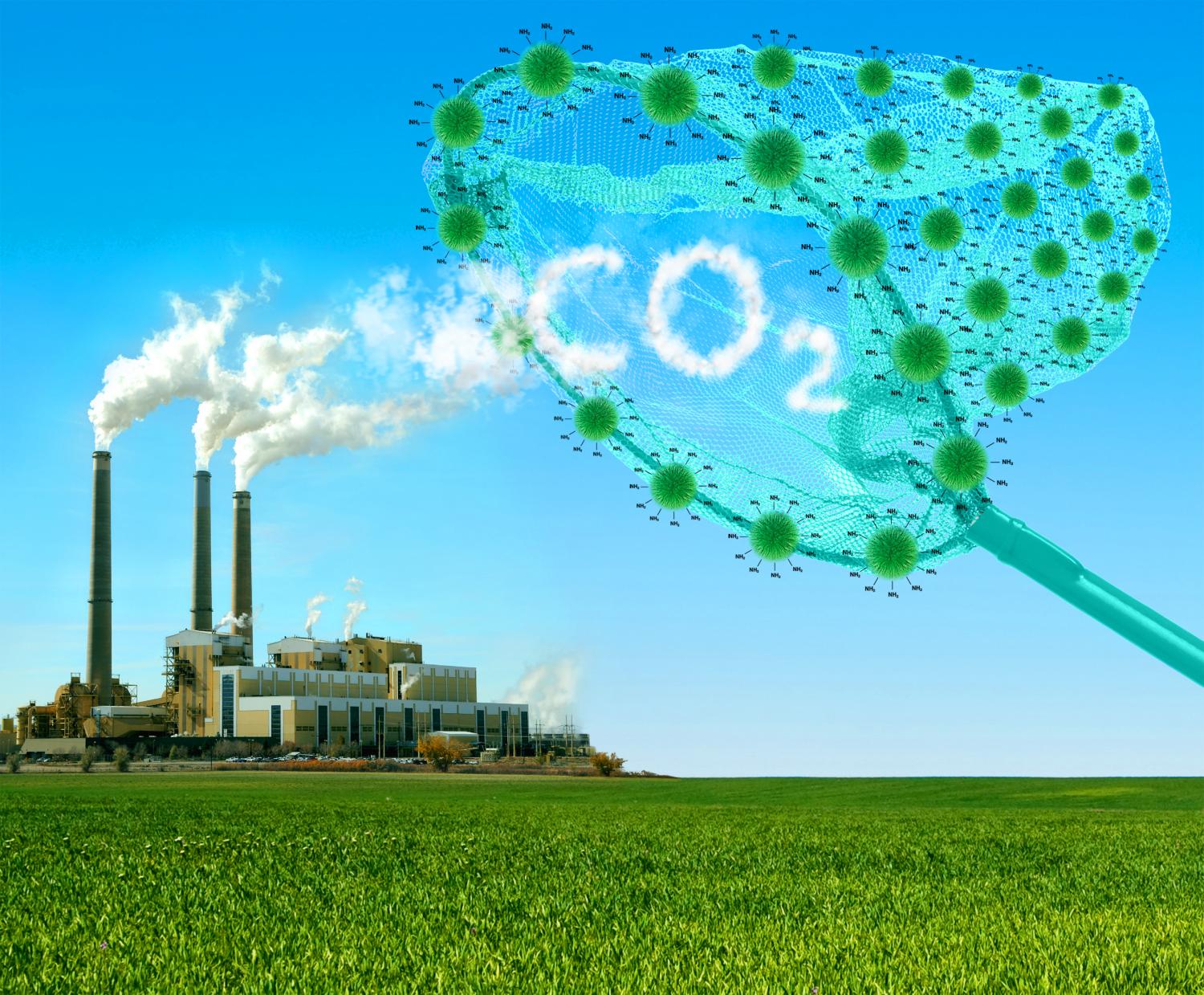
Electrochemical device captures carbon dioxide at the flick of a switch
Disruptive technology could lower carbon-capture costs across all emission types
Written by
·
-

Lignin separation method could make renewable material profitable
A novel method to extract lignin could help spin wheat straw into gold. Lignin produced using the new method was color-neutral, odorless and homogenous, an advance that could make this carbon-neutral material a more viable candidate for development of high-value products.
Written by
·
-

Self-healing plastic becomes biodegradable
Konstanz chemists develop mineral plastics with numerous positive properties from sustainable basic building blocks and, together with biologists, demonstrate the material’s excellent microbiological degradability.
Written by
·
-

Tufts University Research on Bioplastics
A feast for bioengineered yeast? How leftover agricultural waste can be transformed into bioplastics, pharmaceuticals and fuel
Written by
·
-

Imaging shows how solar-powered microbes turn CO2 into bioplastic
When considering ways to sustainably generate environmentally friendly products, bacteria might not immediately spring to mind. However, in recent years scientists have created microbe-semiconductor biohybrids that merge the biosynthetic power of living systems with the ability of semiconductors to harvest light.
Written by
·
-
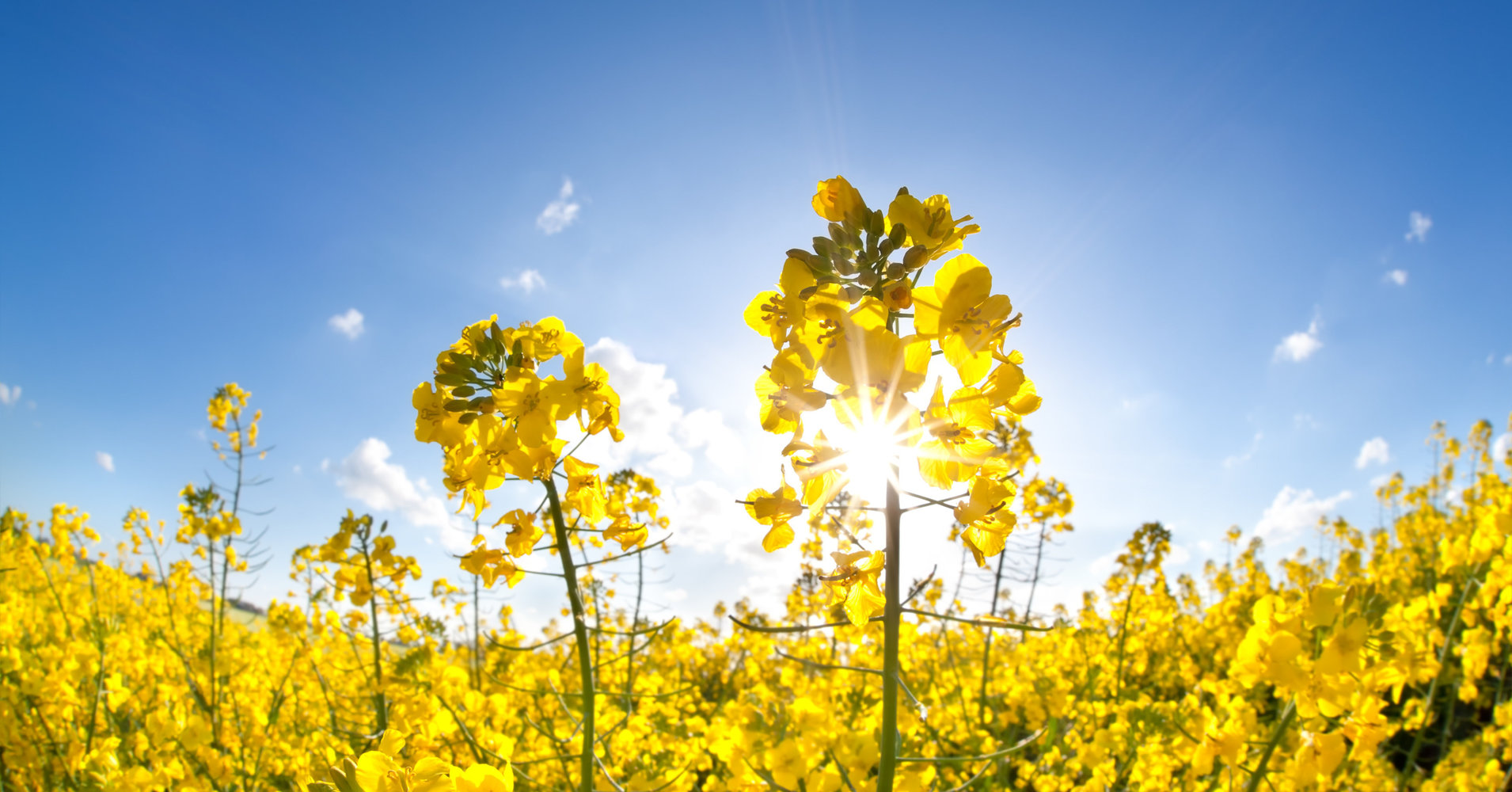
Creating a canola-based plastic alternative
New research turns canola protein into strong, flexible films meant for food packaging
Written by
·
-
Physicists Discover an Exotic Material Made of Bosons
Take a lattice — a flat section of a grid of uniform cells, like a window screen or a honeycomb — and lay another, similar lattice above it.
Written by
·
-
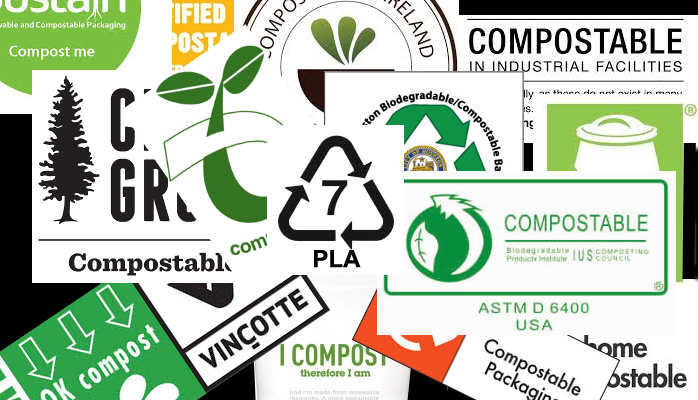
Compostability Claims of PLA at risk (FREE)
One study on the degradability of PLA seems to be picked up in the press more than any other recently published study. This is a FREE article
Written by
·
-

Harnessing synthetic biology to make sustainable alternatives to petroleum products
Visolis, founded by Deepak Dugar SM ’11, MBA ’13, PhD ’13, is working to decarbonize the production of everything from rubber to jet fuel.
Written by
·
-

University of Queensland tests whether bioplastics breaks down in Moreton Bay
A major study in Southeast Queensland is testing how quickly biodegradable plastics break down in waterways, as researchers search for solutions to the world’s growing plastics problem.
Written by
·
-
New US biodegradable plastics are compostable in your backyard
US university develops new bioplastics
Written by
·
-

Opportunity for Chemicals and Fuels From Carbon Dioxide: Researchers Assess Roadblocks for Industrial Deployment of CO2 Electrolysis
Barriers and opportunities for the deployment of CO2 electrolysis in net-zero emissions energy systems
Written by
·
-
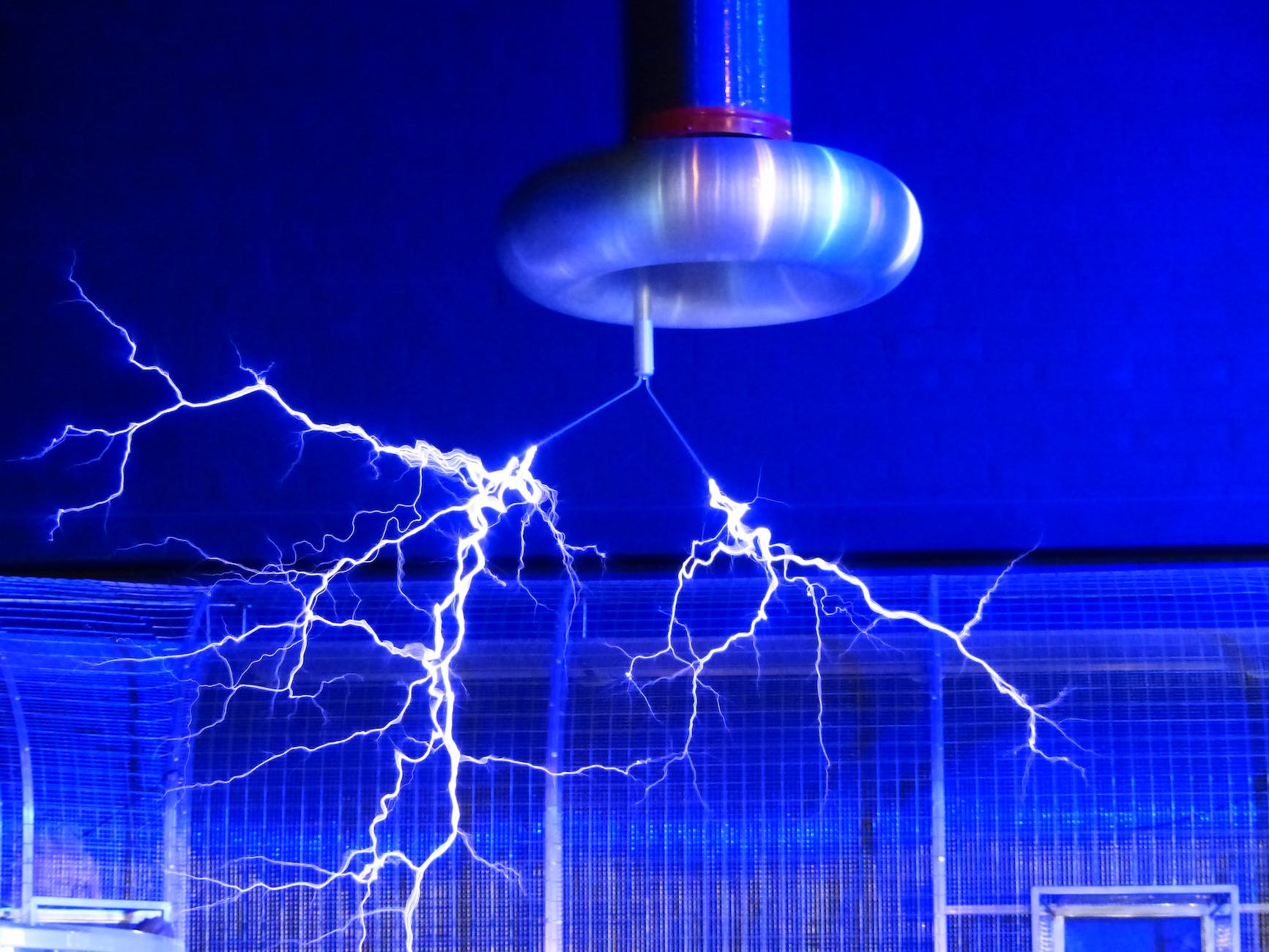
The future of recycling could one day mean dissolving plastic with electricity
Electricity-driven recycling of ester plastics using one-electron electro-organocatalysis
Written by
·
-
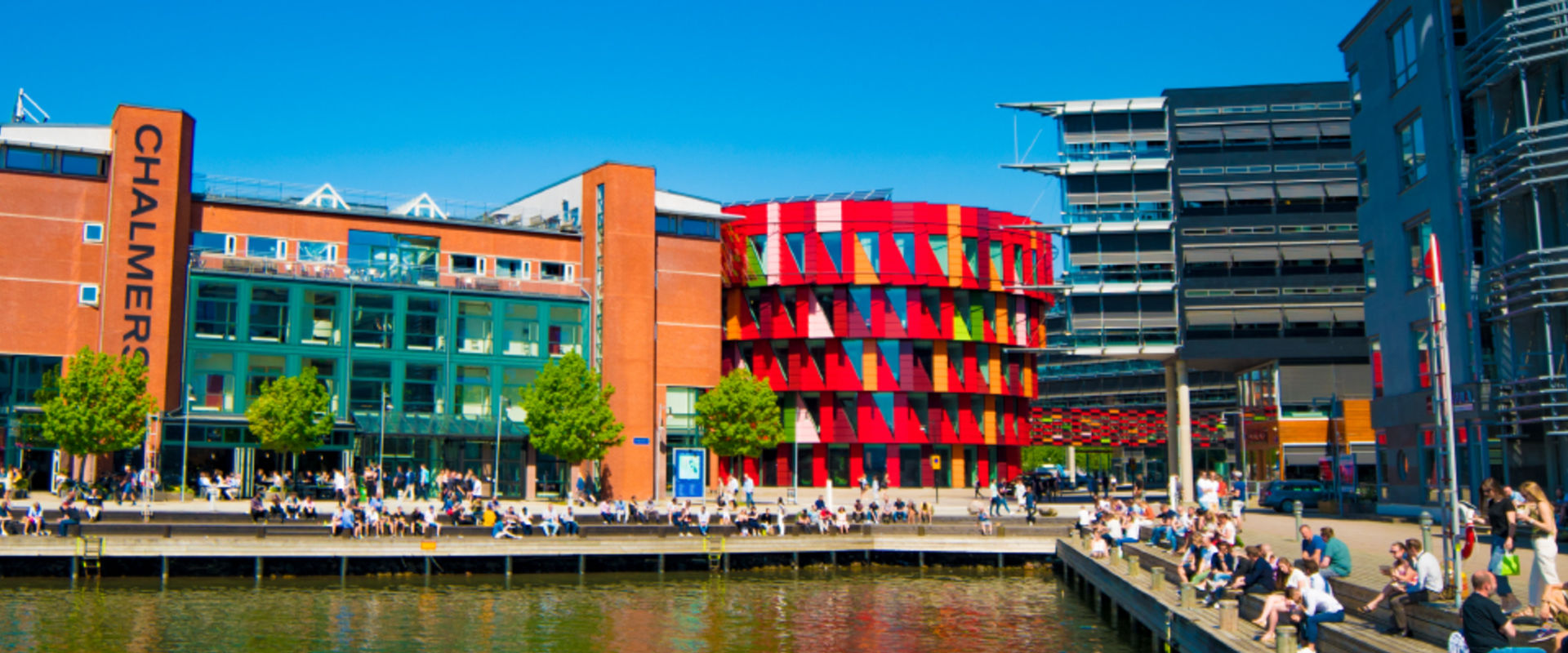
Enviro collaborating with Chalmers on next generation recycling technology
Scandinavian Enviro Systems (Enviro) is participating in a three-year project at Chalmers University of Technology in Gothenburg within the scope of an initiative to reduce the carbon footprint of West Sweden’s chemical industry.
Written by
·
-

Leipzig research team develops process for bio-based nylon
Until now, nylon has been produced from petroleum-based raw materials. However, this is quite harmful to the environment because non-renewable fossil resources are used, a great deal of energy is required, and climate-damaging nitrous oxide is emitted during production.
Written by
·
-

Clean, sustainable fuels made ‘from thin air’ and plastic waste
Researchers have demonstrated how carbon dioxide can be captured from industrial processes – or even directly from the air – and transformed into clean, sustainable fuels using just the energy from the sun.
Written by
·
-

The Making of BioHome3D – The World’s First 100% Biobased 3D Printed Home (Video)
This project was a hub and spoke program by the University of Maine Advanced Structures and Composites Center, Oak Ridge National Labs, and NatureWorks.
Written by
·
-

Reductive catalytic fractionation: state of the art of the lignin-first biorefinery
Reductive catalytic fractionation (RCF) of lignocellulose is an emerging biorefinery scheme that combines biomass fractionation with lignin depolymerisation.
Written by
·
-

New living lab Biobased Boulevard to encourage use of natural building materials
To accelerate the use of natural materials in construction, today The Green Village, iCircl and the Province of South Holland opened the new living lab Biobased Boulevard.
Written by
·
-

Indian Government Launches Bioplastic Bag
Indian Government Launches Edible Marine Degradable Bioplastic Bag
Written by
·
-
New Bioplastics Centre of Excellence in India
IIT Guwahati has established the NRL-Centre of Excellence (CoE) for Sustainable Materials Translational Facility on Bioplastics at its campus
Written by
·
-

Virginia Tech to demonstrate modular bioprocess system for manufacturing consumer bioplastic products from food wastes
The overall goal of this project is to develop and demonstrate a pilot-scale modular bioprocessing system to produce bioplastics from food wastes with cost competency.
Written by
·
-

Advancing material innovation to address the polymer waste crisis
MIT researchers work to discover biodegradable polyesters, with support from the MIT Climate and Sustainability Consortium, J-WAFS, and DIC Corp.
Written by
·
-
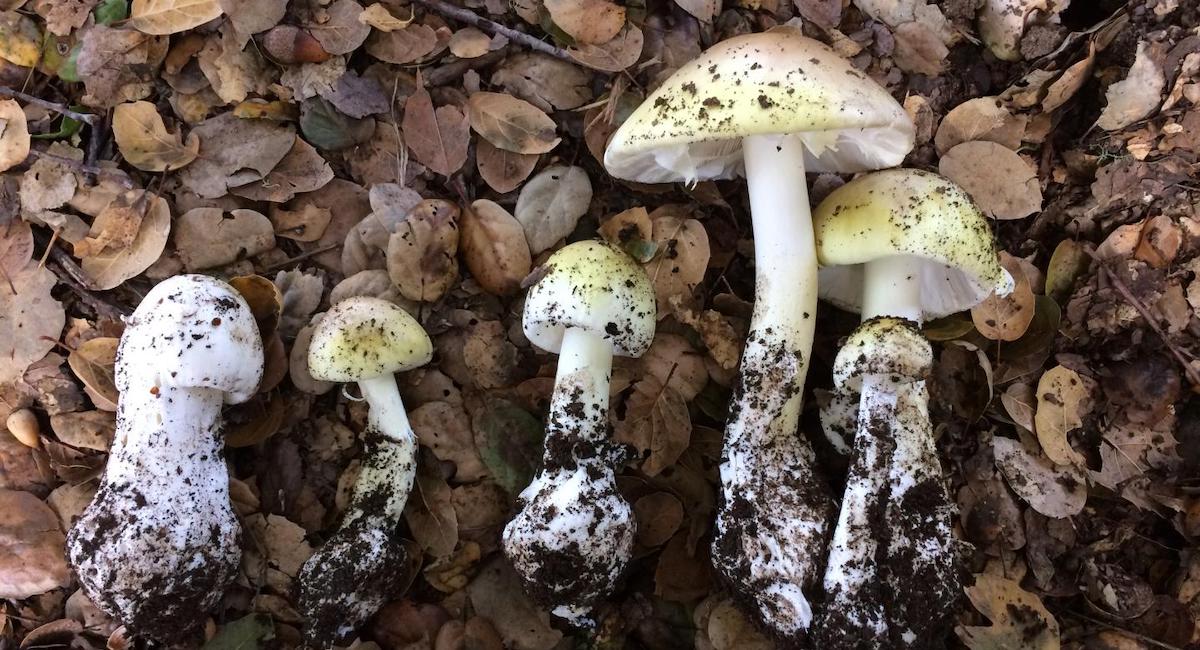
Biodegradable bags to revolutionise mushroom farming
University of Queensland researchers are working with industry to develop biodegradable ‘plastic’ bags for use in mushroom farming, which could open lucrative opportunities in packaging and manufacturing.
Written by
·
-
Xuejun Pan receives USDA NIFA funding to develop biodegradable mulch films made from biomass
Xuejun Pan, professor in the Department of Biological Systems Engineering, received $1,000,000 for his project “Biobased, fully soil-biodegradable mulch films prepared from biomass for sustainable bioeconomy” through NIFA’s Sustainable Bioeconomy through Biobased Products program within the Agriculture and Food Research Initiative. It was among 7 projects sharing $6.7 million in funding.
Written by
·
-
First Compostable Plastic Cutlery Produced and Used in the US (Video)
Compostable cutlery, developed with Furman help, makes news
Written by
·
-

Yale University on Chemical Recycling
Proponents of a process called pyrolysis — including oil and gas companies — contend it will keep post-consumer plastics out of landfills and reduce pollution. But critics say that by converting waste to petroleum feedstock, it will only perpetuate a dependence on fossil fuels.
Written by
·
-

How bacteria use electricity and carbon dioxide to produce useful chemicals
In microbial electrosynthesis, microorganisms use CO2 and electricity to produce alcohol, for example. How this process works biologically, however, has only been speculated about until now.
Written by
·
-
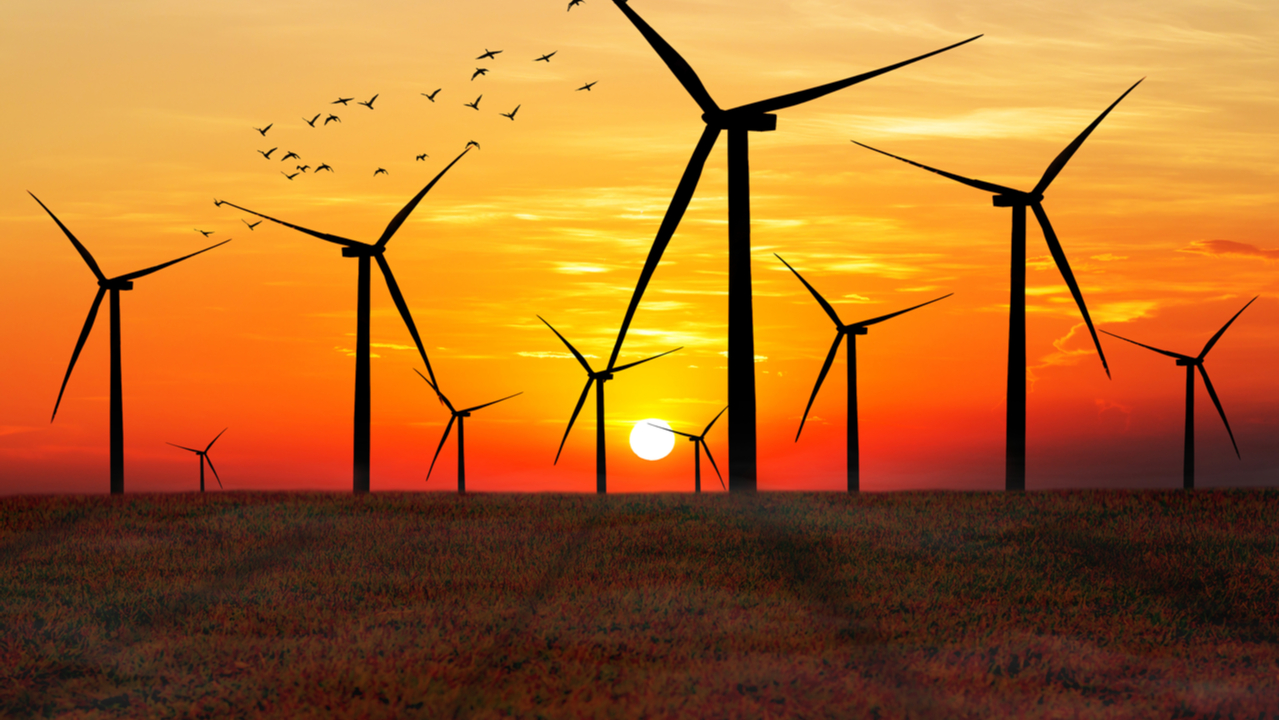
UC Davis researchers work on compostable windmill blades
Blades Made From Bamboo and Mycelium Could Keep a Growing Number of Wind Blades Out of Landfills
Written by
·
-

Rethink, Rewrite, Redefine—How Biodegradable Plastics Are Reshaping Sustainability
A new book written by UC San Diego researchers and students makes a case for the future of algae-based materials
Written by
·
-

The world’s first wood transistor
Researchers at Linköping University and the KTH Royal Institute of Technology have developed the world’s first transistor made of wood.
Written by
·
-

WUST Receives $3.6M to combat plastic waste
Plastics transformed engineering in the past century, but they also transformed the environment in ways that will take millennia to repair. Washington University in St. Louis is leading a new effort to address the grand challenge of developing the next generation of high-performance, sustainably sourced and biodegradable plastics that advance engineering while also protecting the…
Written by
·
-

Call to classify plastics as persistent, bioaccumulative and toxic pollutants
A Call to Include Plastics in the Global Environment in the Class of Persistent, Bioaccumulative, and Toxic (PBT) Pollutants
Written by
·
-

PLA is Toxic for Fish
Plastic made from cane sugar also threatens the environment. Researchers from the University of Gothenburg have found that perch change their behaviour when exposed to so-called bioplastic.
Written by
·
-

Biobased asphalt with lignin can cut emissions up to 60%
The Dutch asphalt sector can reduce emissions by 30% to 60% by using biobased asphalt in which fossil bitumen has been replaced by lignin and other components from plant residues, according to new figures from Wageningen Food & Biobased Research.
Written by
·
-
Researchers make high-quality building boards from pruning waste without added glue
Now that the housing challenge in the Netherlands is coinciding with ambitious climate targets, biobased construction is in the spotlight
Written by
·
-
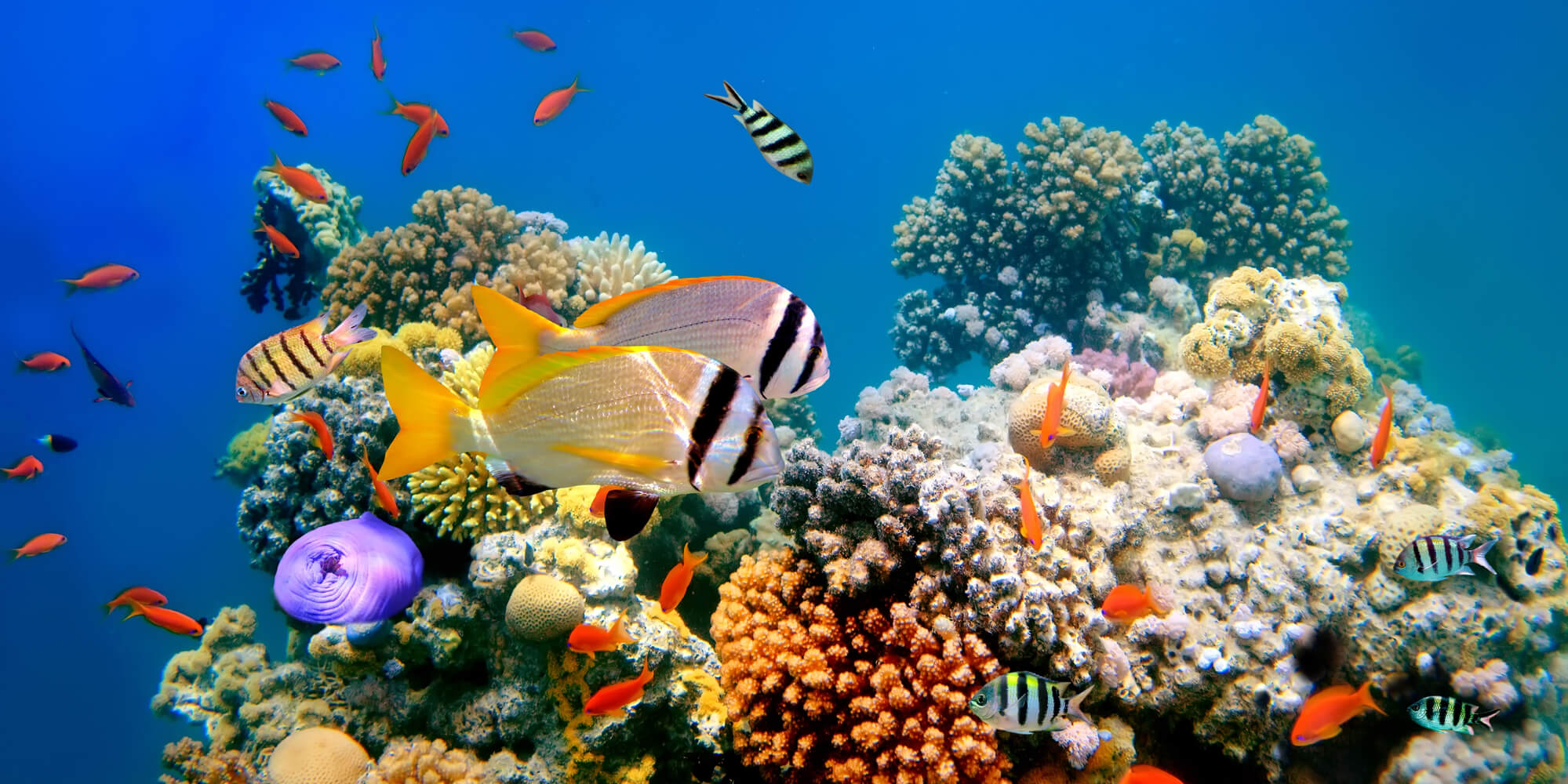
New Study Finds Bio-Based Plastic And Plastic-Blend Textiles Do Not Biodegrade In The Ocean
Not so biodegradable: Polylactic acid and cellulose/plastic blend textiles lack fast biodegradation in marine waters
Written by
·
-

Aston University biofuel experts advise on how Ukraine can build back greener
Aston University biofuel experts provide advice on Ukraine’s recovery — I’m not sure if the timing is right for Ukraine to start building up a bio-economy
Written by
·
-
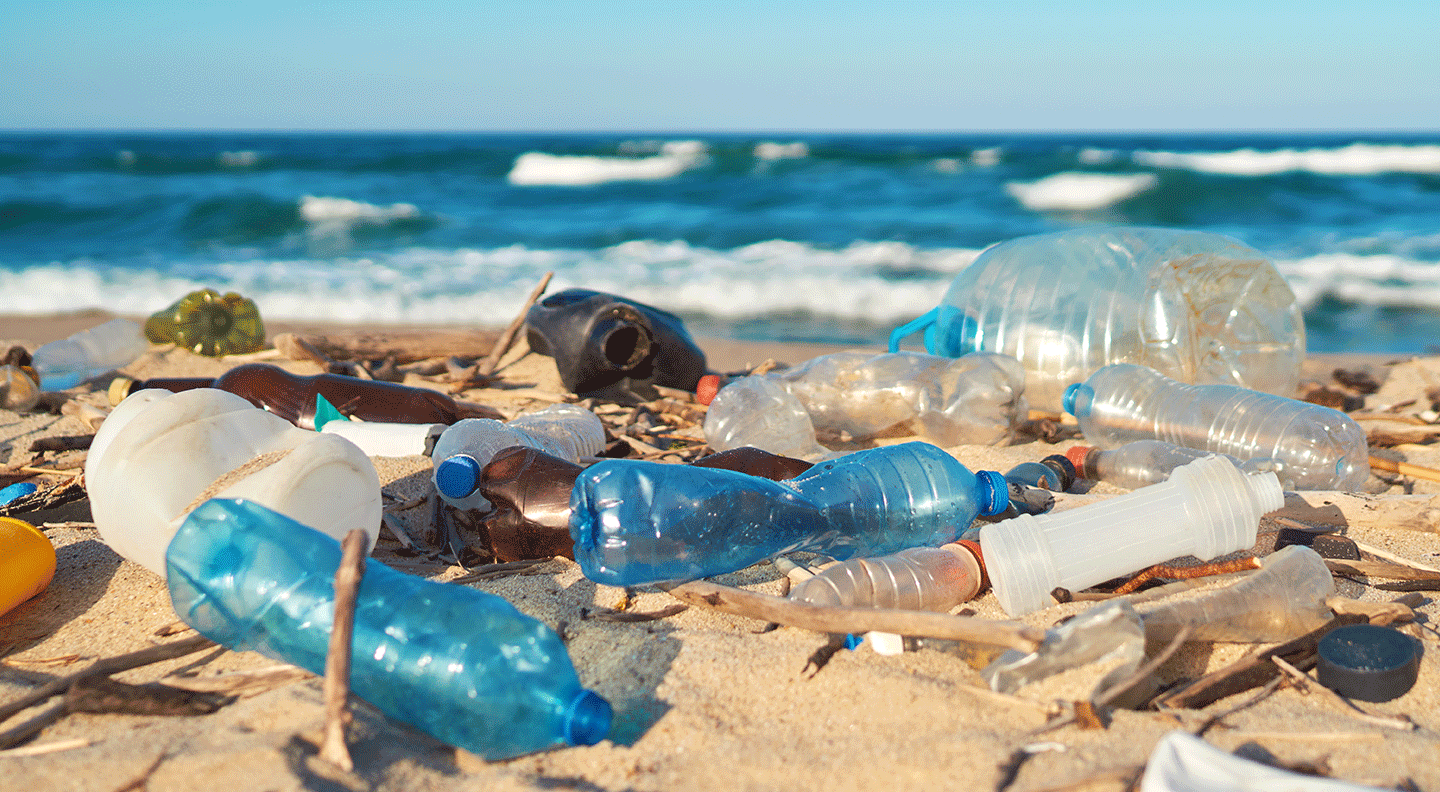
The perfect pathogen storm: Sargassum and plastic debris
A new study uncovers how the interplay between Sargassum spp., plastic marine debris and Vibrio bacteria creates the perfect “pathogen” storm that has implications for both marine life and public health.
Written by
·
-
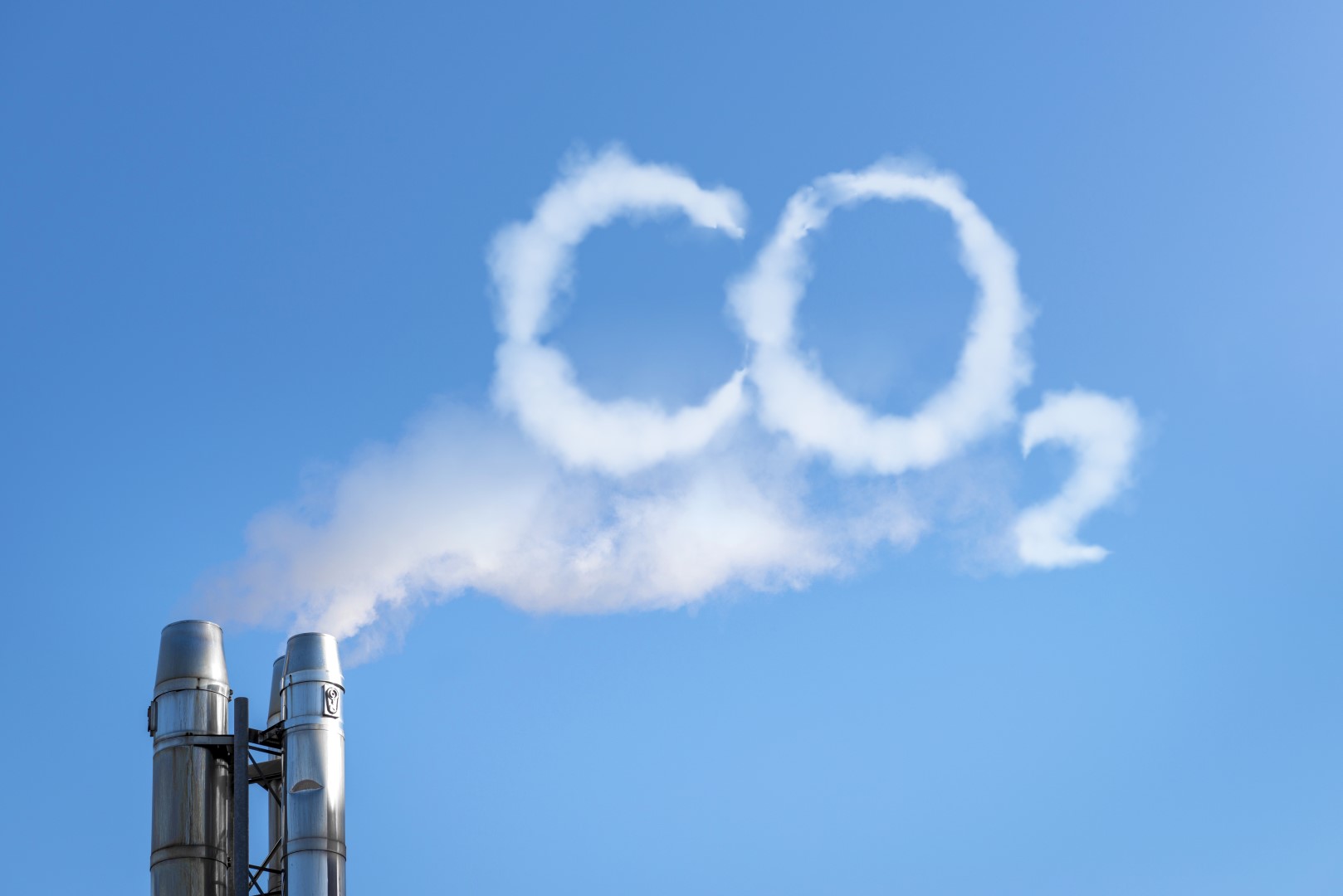
Transforming CO2 Into Valuable Materials Using Formic Acid
With formic acid towards CO2 neutrality
Written by
·
-

Penn State University goes composting but refuses compostable plastics
Changes on the horizon for University Park’s compost and recycling collection
Written by
·
-

MSU and Finland Partner on Biobased Products
MSU Department of Forestry partners with Natural Resources Institute Finland to facilitate workshop on climate-smart forestry products.
Written by
·
-

Scientists Find Microbes That Can Break Down Plastic in the Cold
Scientists at the Swiss Federal Institute for Forest, Snow and Landscape Research WSL have discovered microbes that degrade plastic at cool temperatures. This opens up new perspectives for recycling certain types of plastic. Most known microbes require at least 30°C for their decomposition work.
Written by
·