Category: Universities, Institutes & Labs
-

New hemp-based biomaterial may solve global microplastic pollution crisis
Western researchers co-develop sustainable packaging substitute for a wide variety of products
Written by
·
-

University of Bath Research on Bioplastics
Some biodegradable plastics could in the future be made using sugar and carbon dioxide, replacing unsustainable plastics made from crude oil.
Written by
·
-

Tiny Microbes Could Brew Big Benefits for Green Biomanufacturing
Scientists find new route in bacteria to decarbonize industry. The discovery could reduce greenhouse gas emissions from the manufacturing of fuels, drugs, and chemicals.
Written by
·
-

SEARCA supports project to turn shrimp waste into bioplastic
Researchers at the University of San Carlos (USC) turned shrimp waste into bioplastic with potential use for packaging.
Written by
·
-

Bioplastics become more attractive for industry
In the RUBIO project, 18 partners are turning the vision of a sustainable plastics industry into reality.
Written by
·
-

Center for Dairy Research (CDR) on Making Bioplastics with Dairy Waste
Innovations in bioplastics using dairy waste can make packaging that is biodegradable.
Written by
·
-

Green composite material made from flax and chitosan
From furniture to auto parts to skateboards: An environmentally friendly chitosan–flax composite developed by researchers at the University of Stuttgart could replace fossil-based structural materi-als in many areas.
Written by
·
-

Archaic equation helps scientists control CO2 transformations
To manage atmospheric carbon dioxide and convert the gas into a useful product, Cornell scientists have dusted off an archaic – now 120 years old – electrochemical equation. The group aims to thwart the consequences of global warming and climate change by applying this long-forgotten idea in a new way.
Written by
·
-
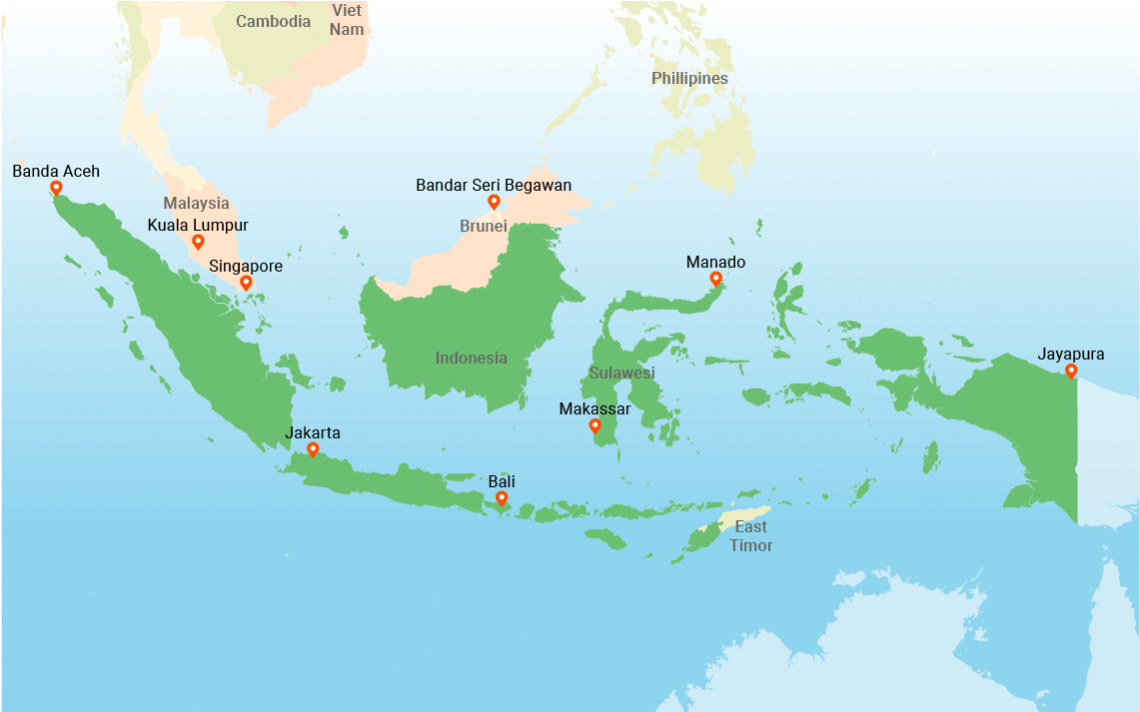
Solinatra and ATMI IGI Partner on Bioplastics Center of Excellence
Solinatra and ATMI IGI are pleased to announce the launch of a new Center of Excellence, in Surakarta, Indonesia.
Written by
·
-

Saudi Arabia Research on Renewable Rubber
A key ingredient in the manufacture of car tires and sneaker soles could be made sustainably, following new analysis of an old catalytic process. Butadiene, an essential component of synthetic rubber, is currently produced by the petrochemical industry from fossil reserves.
Written by
·
-

Low concentration CO2 can be reused in biodegradable plastic precursor using artificial photosynthesis
Visible-light-driven 3-hydroxybutyrate production from acetone and low concentrations of CO2 with a system of hybridized photocatalytic NADH regeneration and multi-biocatalysts†
Written by
·
-

University of Queensland raises concerns about PFAS in compostable food containers
University of Queensland researchers are analysing compostable takeaway food packaging for potentially polluting chemicals.
Written by
·
-

High levels of PFAS found in paper takeout containers
Paper Bags and Compostable Food Packages May Contain Toxic Forever Chemicals, Warns Study
Written by
·
-

Fungi makes meal of hard to recycle plastic
Plastic biodegraded by two common fungi — RETHINKING MATERIALS Innovation and Investment Summit – May 16-17, London. 10% discount with code BPN10
Written by
·
-

A novel biorefinery process with material and energy circulation by reusing by-products
Designing a process that maximizes the effective use of biomass resources — RETHINKING MATERIALS Innovation and Investment Summit – May 16-17, London. 10% discount with code BPN10
Written by
·
-

U of G develops eco-friendly cutlery to reduce plastic waste, CO2
U of G-Developed Cutlery, Stir Sticks from Biomaterials Reduce Plastic, CO2 Emissions — RETHINKING MATERIALS Innovation and Investment Summit – May 16-17, London. 10% discount with code BPN10
Written by
·
-

Update on the Circa Renewable Chemistry Institute
University of York and Circa Group partner on bio-based chemistry institute
Written by
·
-

Researchers Develop Biodegradable, Biorecyclable Glass
Everyone is familiar with glass—from putting on eyeglasses, pushing open the window, standing in front of a mirror, to holding a water glass. Glass is ubiquitous in nature and essential to human life — RETHINKING MATERIALS Innovation and Investment Summit – May 16-17, London. 10% discount with code BPN10
Written by
·
-

Chemists redesign biological PHAs, ‘dream’ biodegradable plastics
They’ve been called “dream” plastics: polyhydroxyalkanoates, or PHAs.
Written by
·
-

Uganda scientists invent bioplastics for wrapping nursery seedlings from farm wastes
Agricultural scientists from Uganda have invented biodegradable plastics for use in wrapping nursery seedlings made from farm wastes in a bid to face off non-biodegradable plastics that seedlings nursery operators have been using and which causes environmental degradation.
Written by
·
-

A biohybrid system to extract 20 times more bioplastic from CO2 developed by KAIST researchers
As the issues surrounding global climate change intensify, more attention and determined efforts are required to re-grasp the issue as a state of “crisis” and respond to it properly.
Written by
·
-

International study develops ground-breaking method to Recycle Used Cooking Oil
A scientist from the University of Plymouth has played a key role in new research which has developed a powerful, low-cost method for recycling used cooking oil and agricultural waste into biodiesel, and turning food scraps and plastic rubbish into high-value products.
Written by
·
-
University of Sydney Develops New Method for CO2 Capture and Conversion
Researchers double efficiency of CO2 conversion method
Written by
·
-
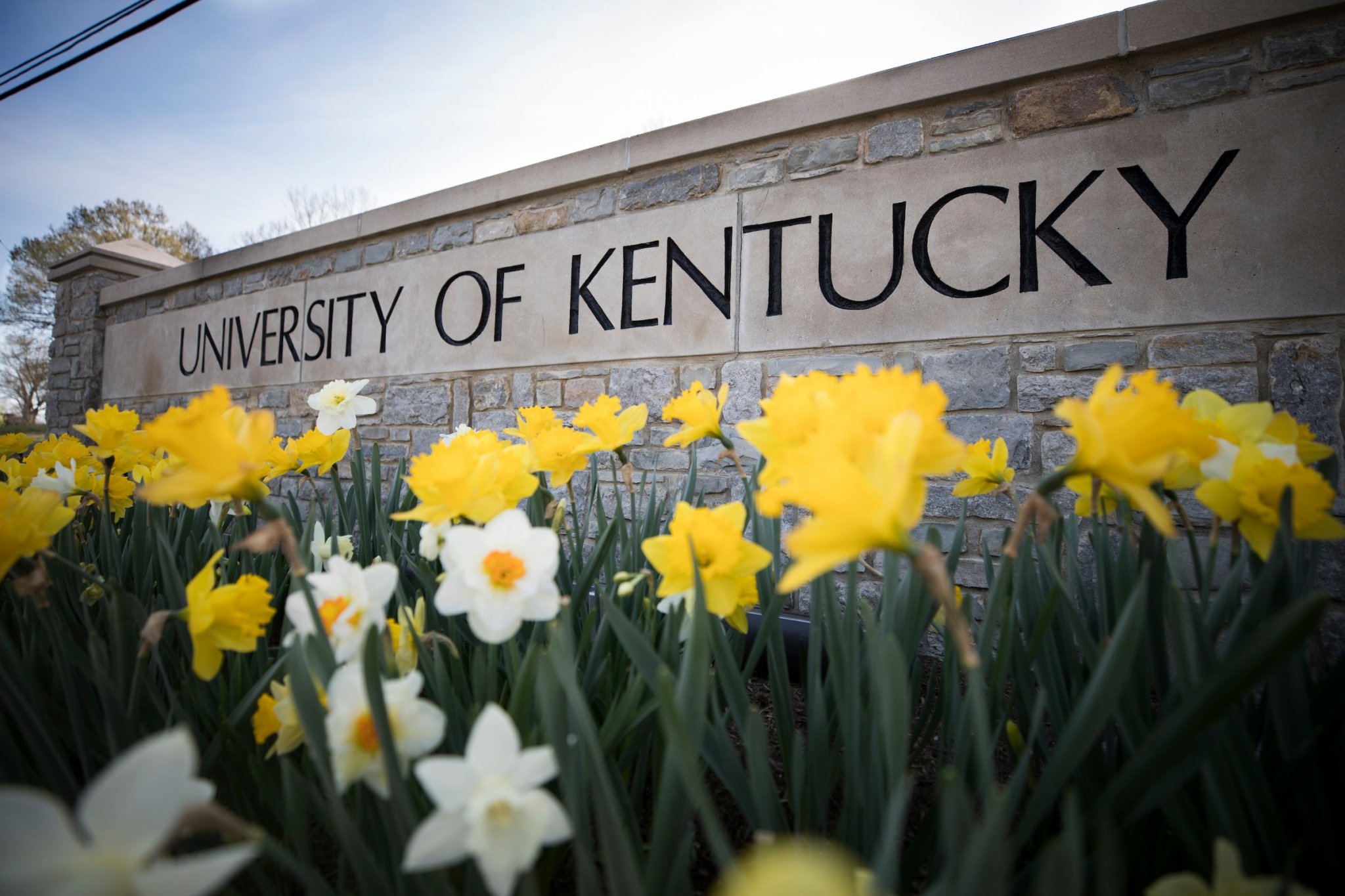
University of Kentucky Student Creates Compostable Paper Recycling Program
Inspired by ideas from a Symposium on Energy, University of Kentucky student and UK Recycling’s programmatic support intern, Shaun Lavin, started a pilot composting program for brown paper towels on campus.
Written by
·
-

Producing PHA from Wastewater
Wastewater treatment plants can do more than just wastewater treatment. In the future, they should also recover resources. One approach that researchers at Eawag are pursuing is the conversion of the organic carbon contained in wastewater into bioplastics with the help of bacteria
Written by
·
-

Mizzou Engineering Researcher Helps Turn Food Wastes Into Biodegradable Plastics
A Mizzou Engineer is helping researchers at Virginia Tech develop a process to convert food wastes into biodegradable plastics
Written by
·
-

University of Alicante Patent Water-Soluble Plastic Material Based on Potato Starch
The University of Alicante Waste, Energy, Environment and Nanotechnology (REMAN) research group has developed a process for obtaining a water-soluble plastic material based on potato starch, which will soon be introduced on the market through the UA technology-Based Company Solublion, linked to the Alicante Science Park
Written by
·
-

Hard Plastics Can be Recycled if they are Constructed Differently
Research Provides New Way To Recycle Hard Plastics
Written by
·
-

Are Bioplastics the Future?
Article by The University of California, San Diego The Guardian .
Written by
·
-
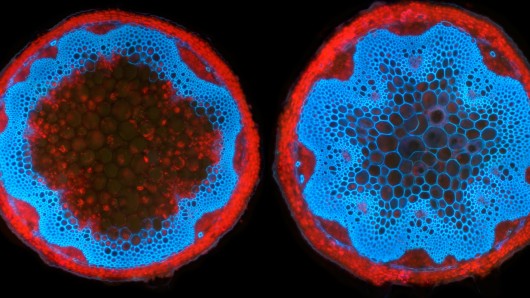
The Barta Group Novel Lignocellulose Valorisation Concepts and Innovative Synthesis Pathways
Embracing complexity in renewable resources enables a more sustainable chemical industry
Written by
·
-

University of Costa Rica Published Study on the Hidden Reality of Bioplastics
Most bioplastics behave just like conventional plastics and can remain in nature for hundreds of years, although they are marketed as an eco-friendly alternative. The objective of the experiment was to evaluate the degree of biodegradability of materials identified as polylactic acid (PLA) and oxobiodegradable (OXO), which are presented as biodegradable. Likewise, other plastics such as…
Written by
·
-

New Catalysts Could Make Acrylics from Corn Cheaper than Fossil Equivalent
Chemical researchers discover catalyst to make renewable paints, coatings and diapers
Written by
·
-

Researchers Use Light to Convert Abundant Lignin into Plastic that can be Continually Recycled
New process could advance a waste-free system of polymer manufacture and re-use known as the circular plastic economy
Written by
·
-
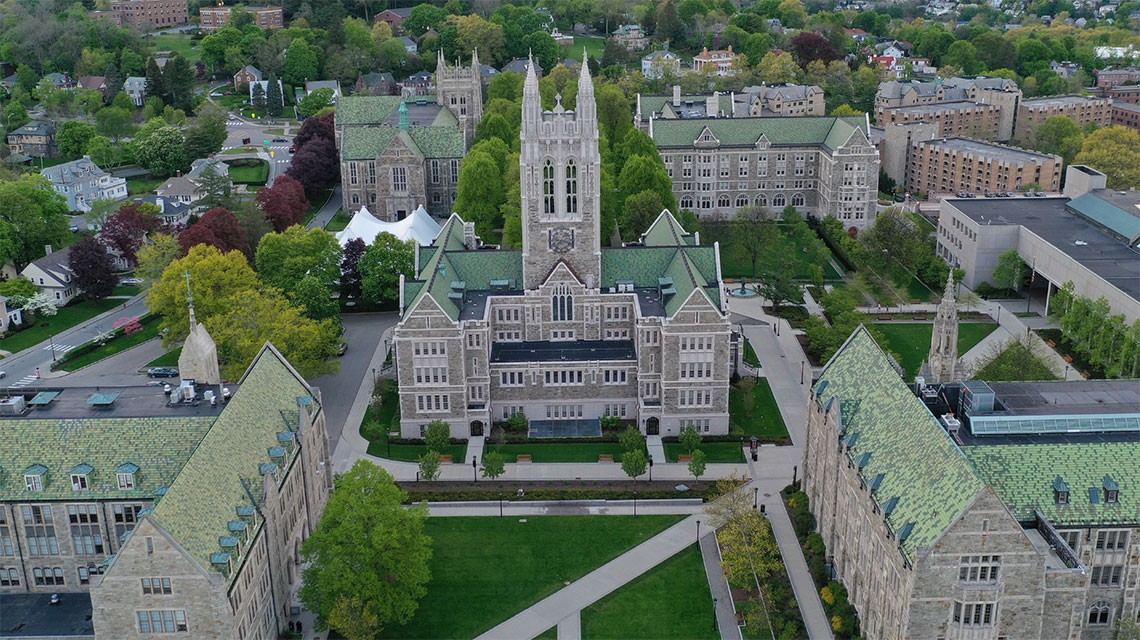
Boston College to Partner on Study of Hazards from Plastics
BC’s Global Observatory on Pollution and Health and an international team of researchers will survey health risks posed across the continuum of plastic production, use, and disposal
Written by
·
-
Agriloop Project to Convert Agri-Food Residues into Products
International project; AgriLoop is launched to accelerate the future of circular agriculture by converting residues into high-value, eco-friendly products
Written by
·
-

MIT Develops New Method for CO2 Removal from Seawater
A new method for removing the greenhouse gas from the ocean could be far more efficient than existing systems for removing it from the air.
Written by
·
-

AI Conjures Proteins that Speed up Chemical Reactions
A team led by the Institute for Protein Design devised machine-learning algorithms that created light-emitting enzymes called luciferases.
Written by
·
-
Malaysian College Students Try to Turn Seaweed into Bioplastics
The trio are experimenting with using local red seaweed to make bioplastic that can degrade in four to six weeks, instead of hundreds of years like conventional plastic.
Written by
·
-

Sustainable process for the production of vanillin from lignin makes further progress
A green method for obtaining vanillin from technical lignin produced from pulp
Written by
·
-

3D Printing with Bacteria-Loaded Ink Produces Bone-Like Composites
Bone-Like Composites Can be Fabricated When 3D Printing with Bacteria-Loaded Ink, Called BactoInk
Written by
·
-

Plastic Particles in Mom’s Food Reach Unborn Children
Nanoscale plastic particles like those that permeate most food and water pass from pregnant rats to their unborn children and may impair fetal development, according to a Rutgers study that suggests the same process happens in humans.
Written by
·
-

Turning Fruit Waste into Water Purification Material
A Nanyang Technological University scientist has developed an ultra-thin material made from recycled fruit with exceptional light-to-heat conversion efficiency that can be used in equipment to purify dirty water.
Written by
·
-

A newly developed catalyst makes single-use plastics easier to upcycle, recycle and biodegrade
Researchers created a new catalyst that transforms hydrocarbons into chemicals and materials that are higher value, easier to recycle, and biodegrade in the environment.
Written by
·
-

Texas A&M on Transforming Biomass Waste Into Chemicals
Rather than disposing of waste in dumpsters and landfills, a Texas A&M researchers proposes that biomass be used as a renewable resource.
Written by
·
-

Faser Institute Bremen Develops High-Strength PLA
Novel PLA blend is proven on pilot plant scale for technical textile applications like aerospace, medical or automotive engineering.
Written by
·
-

Bio-Based Products Are Gaining Momentum
Propelled by government investment and shareholder demand, manufacturers are pushing to get bio-based products into the marketplace. These new materials — made from plants, fungi, and microbes — aim to replace those that contain toxins and are difficult to recycle or reuse.
Written by
·
-

How Waste-Eating Bacteria Digest Complex Carbons
A common environmental bacterium, Comamonas testosteroni, could someday become nature’s plastic recycling center. While most bacteria prefer to eat sugars, C. testosteroni, instead, has a natural appetite for complex waste from plants and plastics.
Written by
·
-

Turning Kudzu into Biodegradable Food Packaging
Use pearl millet starch and kudzu vines to put a dent in the roughly 400 million tons of plastic waste produced each year.
Written by
·
-
Korea Develops Completely Biodegradable PBS Straws
Researchers have developed eco-friendly paper straws that are 100 per cent biodegradable, perform better than conventional paper straws, and can be easily mass-produced.
Written by
·
-
New Study Presents Novel Behavioral Barrier-Based Framework for Sustainable Plastic Management
This framework developed and tested by researchers at Ritsumeikan University identifies barriers and context-specific measures for plastic use and disposal
Written by
·
-

New Study to Explore Upcycling the Microfibres Released from Laundering Clothes
Xeros Technology has partnered with the University of Surrey to jointly fund pioneering research to upcycle the microfibres captured from laundering clothes into a useful, and valuable carbon material.
Written by
·
-

Researchers Team up to Break Down, Upcycle Low-Quality, Rejected Plastic Wastes
AMES, Iowa – Researchers are integrating tried-and-true technologies (let’s unleash bacteria on the biodegradables then heat up the leftovers) and developing new ones (let’s try plasma that shoots “bullet” electrons) to break down waste plastics and convert them to useful materials.
Written by
·
-
Microplastics Are Filling the Skies. Will They Affect the Climate?
Recent studies reveal that tiny pieces of plastic are constantly lofted into the atmosphere. These particles can travel thousands of miles and affect the formation of clouds, which means they have the potential to impact temperature, rainfall, and even climate change.
Written by
·
-
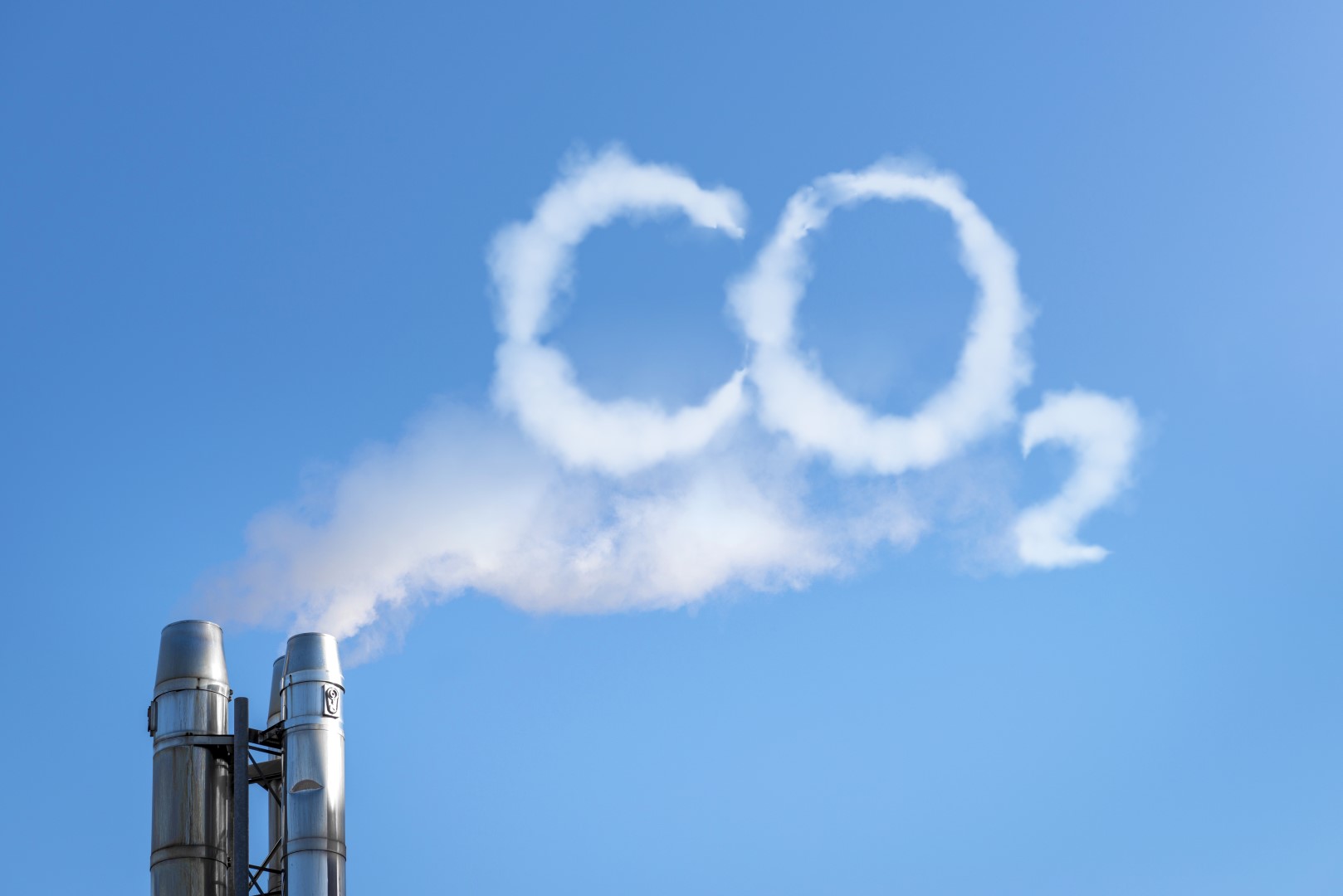
Aston University Develops Guidelines to Improve Industrial CO2 Measurement
Aston University bioenergy researchers to improve measurement of industrial carbon dioxide
Written by
·
-

Northwestern University Develops New Process to Upcycle Lignin and Plant waste
Biorefinery uses microbial fuel cell to upcycle resistant plant waste. Organic waste turns into antioxidant flavonoids for nutrition and medicine
Written by
·
-

Converting Ocean Plastic into Pharmaceuticals
Scientists Have Been Able To Turn Ocean Plastics Into Pharmaceutical Ingredients
Written by
·
-

US Lab Develops New Catalyst to Convert CO2 into Ethylene
New hybrid catalyst could help decarbonization and make ethylene production more sustainable
Written by
·
-
Consumer Attitudes and Willingness to Pay for Biobased Products
Consumers favour bio-based alternatives over traditional fossil-based plastic bottles
Written by
·
-

Health Impact of Chemicals in Plastics is handed Down Two Generations
UC Riverside mouse study finds paternal exposure to phthalates increases risk of metabolic diseases in progeny
Written by
·
-

Bioplastics: The ‘Best Kept Secret’ in Kansas (FREE)
Sunflower State Is A Leader In Plant-Based Polymers — I believe one of the statements regarding TUV Austria is just brilliant and very indicative. I felt inspired to comment it. Another Bioplastic Chronicle. This is a FREE article
Written by
·
-
New 3D Printing Process Enables Sustainable Fiber Composite Components
New 3D Printing Process Enables Sustainable Fiber Composite Components Modeled On Nature’s Example
Written by
·
-
Deciphering the Inner Workings of Bacteria
A team led by University of Oldenburg microbiologist Prof. Dr. Ralf Rabus and his PhD student Patrick Becker has gained deep insights into the cellular mechanisms of a common environmental bacterium.
Written by
·
-

Bacteria Really Eat Plastic
Scientist Discovers a Plastic-Eating Bacteria That Actually Digests Plastic Pollution
Written by
·
-
Artificial Photosynthesis Uses Sunlight to Make Biodegradable Plastic
Synthesis of fumaric acid by a new method of artificial photosynthesis, using sunlight.
Written by
·
-

University of Michigan Compares Single Use vs Reusable Takeout Containers
In the effort to reduce plastic waste in the restaurant industry—single-use takeout containers, specifically—University of Michigan researchers compared the lifetime environmental impacts of single-use and reusable food containers.
Written by
·
-

Ocean Plastic can be Used to Make Pharmaceuticals
Research on fungi underway at the University of Kansas has helped transform tough-to-recycle plastic waste from the Pacific Ocean into key components for making pharmaceuticals.
Written by
·
-

Virginia Tech Research on Bioplastics
Turning food waste into biodegradable bioplastics
Written by
·
-

Turning Christmas Trees into Bio Products
Research at the University of Sheffield and the University of Valladolid has found that pine needles from discarded Christmas trees or other sources could be turned into renewable fuels and new products.
Written by
·
-

Turning Plastic Waste into a Valuable Soil Additive
UCR method creates useful char from plastic and corn waste
Written by
·
-

Plastic Pollution in the Oceans is an Equity Issue, says UW-led Report
Less recognized is how marine plastic waste affects human populations, and the unequal burden on different communities. A report, “Towards an Equitable Approach to Marine Plastics Pollution,” outlines the current situation and attempts to address the problem.
Written by
·
-

Spray-On Coating for Fruits and Vegetables
Scientists from Rutgers and Harvard universities have developed a biodegradable spray-on wrapper.
Written by
·
-
Biodegradable Medical Gowns Worse for Environment than Plastic Options
Biodegradable medical gowns may add to greenhouse gas
Written by
·
-

VTT Project BioCarbonValue for BioCarbon Development
VTT-led joint research project received over a million euros in funding for upgrading agricultural sidestreams into biocarbon for high-value applications
Written by
·
-

University of Copenhagen and Octarine Bio Partner on Biobased Pigments
Most colors are eco criminals: Here’s how to make purple greener
Written by
·
-

US Enzymes Recycling Technology for Bottles and Textiles
Scientists Discover Enzymes That Could Make It Cheaper To Recycle Waste Polyester Textiles and Bottles Than Making Them From Petroleum
Written by
·
-

TSU Receives Grant for Hemp Research
Tsu Receives $5 Million Grant That Could Lead To State Being Top Hemp Grower In Region
Written by
·
-
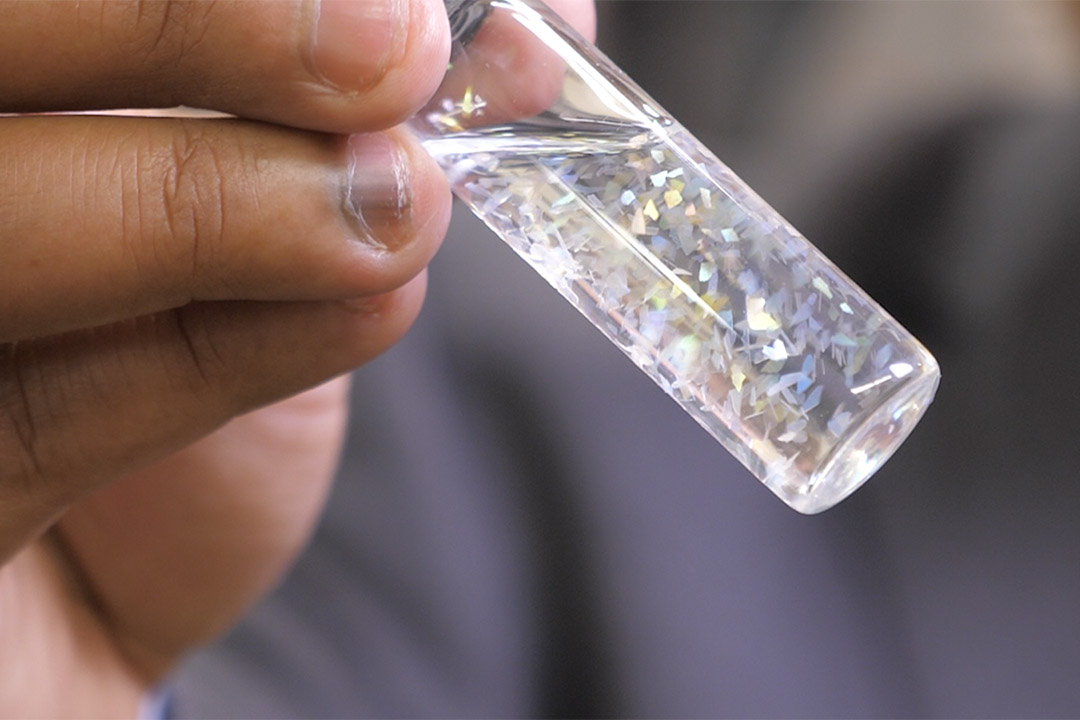
USask Develops Bio-glitter
In everything from shiny gift wrapping to kids’ dance costumes to makeup for adults heading to parties, glitter is everywhere this time of year. But custodians and environmentalists hate the stuff, because it’s almost impossible to clean up, both indoors and especially outdoors.
Written by
·
-
Australian Startup Receives $ 25 Million for Bioplastics Production
A Sydney RSL club is building a factory in Bathurst where wheat offcuts will be turned into compostable packaging in a bid to diversify the club’s revenue streams and become less reliant on gaming.
Written by
·
-

Princeton University Moves ahead with Plastic Reduction
We are continuously seeking ways to minimize the amount of waste produced on campus and increase the overall efficiency of our operations through several initiatives.
Written by
·
-

Overcoming the Low Reactivity of Biobased, Secondary Diols in Polyester Synthesis
An important step toward strong and durable biobased plastics
Written by
·
-
CJ Biomaterials Partners with South Korean Industry-University Research Council to Promote Eco-Friendly Material and Accelerate Adoption of PHA Technology
Company representatives attend inauguration ceremony in Seoul, South Korea to launch program. Expansion of joint research and development could lead to system improvements, new policies to vitalize eco-friendly material industry
Written by
·
-
Berkeley Lab Bio-Analogous Technique for Converting CO2 into Liquid Acetate
To Battle Climate Change, Scientists Tap Into Carbon-Hungry Microorganisms for Clues
Written by
·
-

Scientists to Create Inexpensive Drilling Fluids Based on Wood Waste
Scientists of Siberian Federal University together with colleagues from the Institute of Chemistry and Chemical Technology of SB of RAS studied the effect of chemically modified additives made from wood waste — lignins — on the properties of drilling fluids used for drilling oil and gas wells.
Written by
·
-

Cellexcel Aims to Reduce Emissions with Plant Based Composites
Norwich company aims to reduce emissions with plant-based composites
Written by
·
-

Fungal Mycelium Skin for Electronics
Scientists have used mushrooms to make biodegradable computer chips
Written by
·
-
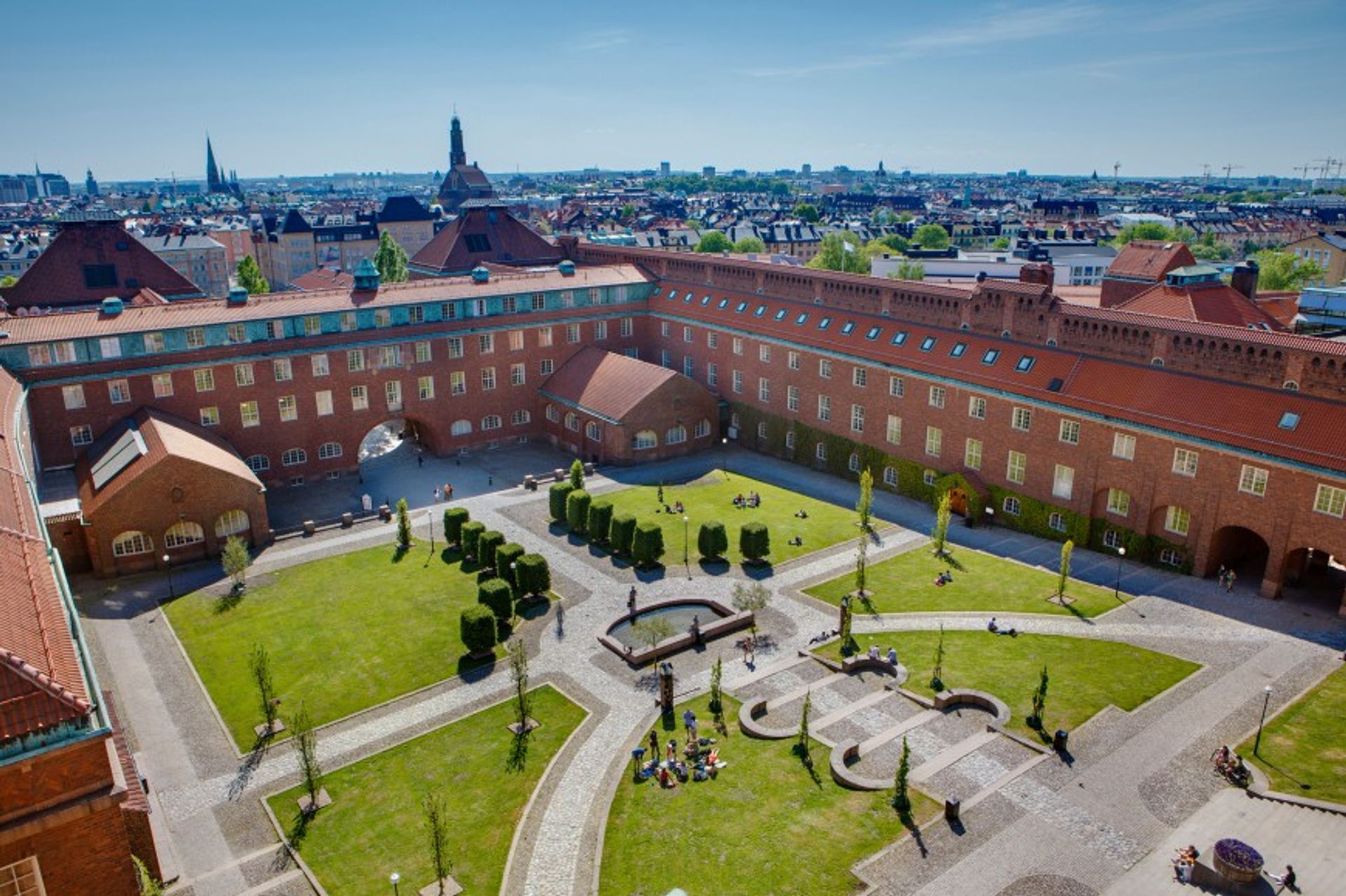
KTH Develops New Biodegradable Plastics
Wood-based plastic may enable circular home furnishings and building materials
Written by
·
-
Biodegradable Microplastics in Soils Cause CO2 to Rise
New study by the University of Bayreuth: Biodegradable microplastics in soils cause CO₂ emissions to rise
Written by
·
-

Shell and University of Twente Converts CO2 into CO
Researchers from the University of Twente, in collaboration with Shell, developed a new mechanism that makes the conversion of carbon dioxide into carbon monoxide, which is an essential feedstock in the production of chemicals.
Written by
·
-
Aekyung Chemical Starts with Bioplastic Research
Aekyung Chemical jumps into bioplastic industry through ties with state research body
Written by
·
-
ISU Research on Efficient Conversion of Lignin into Bio Chemicals
Research bridges gap for more efficient conversions of lignin for cleaner and greener chemicals
Written by
·
-

First 100% Bio-based 3D-printed Home
First 100% bio-based 3D-printed home unveiled at the University of Maine
Written by
·
-
VU and Chinese Researchers Partner on Seaweed Bioplastics
Victoria University and Chinese researchers team up to fight plastic pollution with seaweed
Written by
·
-
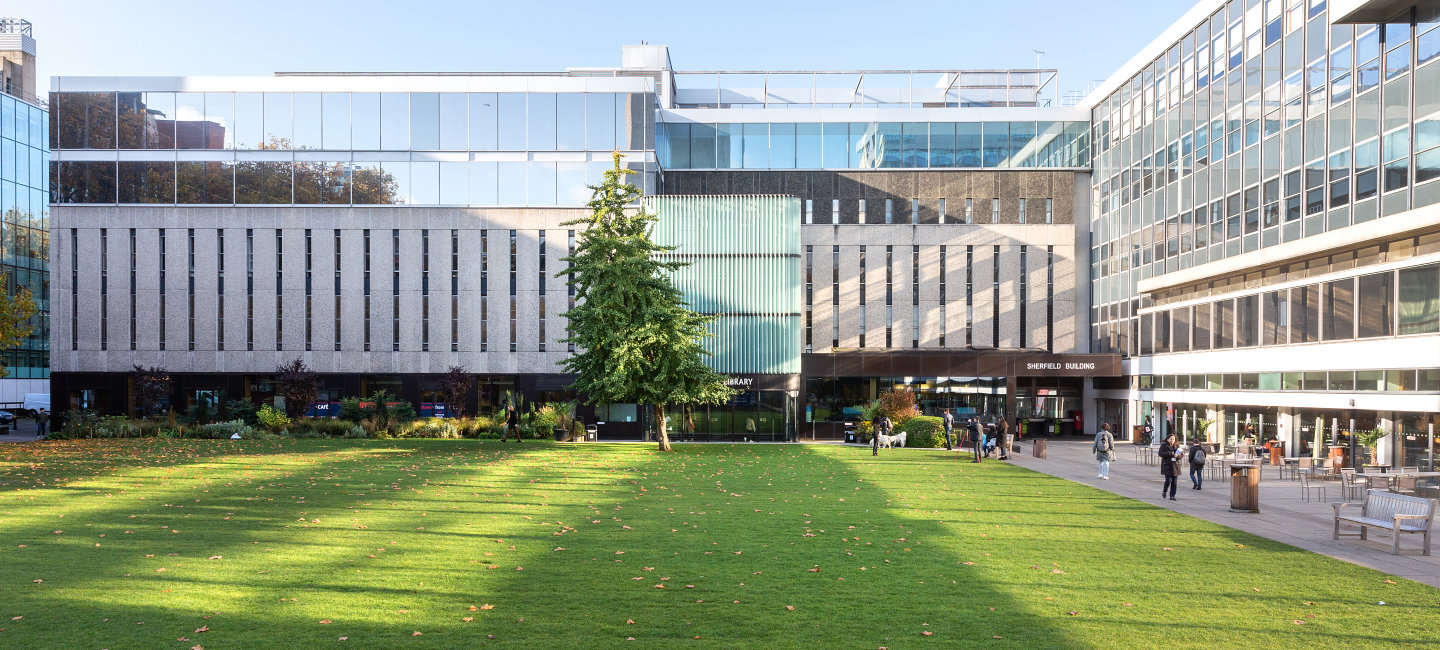
Imperial College London Secures Grant to Develop Sustainable Materials
Imperial College London will lead a collaboration between industrial and academics partners to develop functional materials from biowaste products.
Written by
·
-
Chemists Uncover Cracks in the Surface of Cellulose Nanocrystals
Chemists in Japan, Canada and Europe have uncovered flaws in the surface structure of cellulose nanocrystals—an important step toward deconstructing cellulose to produce renewable nano-materials relevant to biochemical products, energy solutions, and biofuels.
Written by
·
-
Iowa State University Research on Chemical Recycling
Grad student Dhananjay Dileep is working to make the chemical recycling of plastics more commercially viable
Written by
·
-

University Spin-off Offers Cooperation on Valorization of Lignin Output Streams
University spin-off offers cooperation on valorization of lignin-rich output streams to companies related to biorefinery, chemistry or pulp and paper industries
Written by
·
-
University of Waterloo Technology to Convert CO2 into Chemicals
On-site reactors could affordably turn CO2 into valuable chemicals. New technology makes the process of turning CO2 into valuable chemicals economically viable for industrialization
Written by
·