The European Commission spent years piling climate targets, chemical regulations and reporting obligations onto an industry already struggling with some of the world’s highest energy costs. At the same time, Europe became more dependent on imported energy and increasingly exposed to cheaper chemicals from China, the Middle East and the United States. Brussels eventually discovered “competitiveness,” but only after plants started closing. The problem was not one regulation. It was the cumulative absence of industrial pragmatism.
EU’s Chemical Collapse Was Made in Brussels

Continue Reading
More coverage on the subjects, companies and places discussed in this article.
Explore this category
Discover more from Bioplastics News
Subscribe to get the latest reporting in your inbox.
Latest reports
-
Novamont’s €534 Million Question: Who Valued the Patents, and Who Benefited?
-
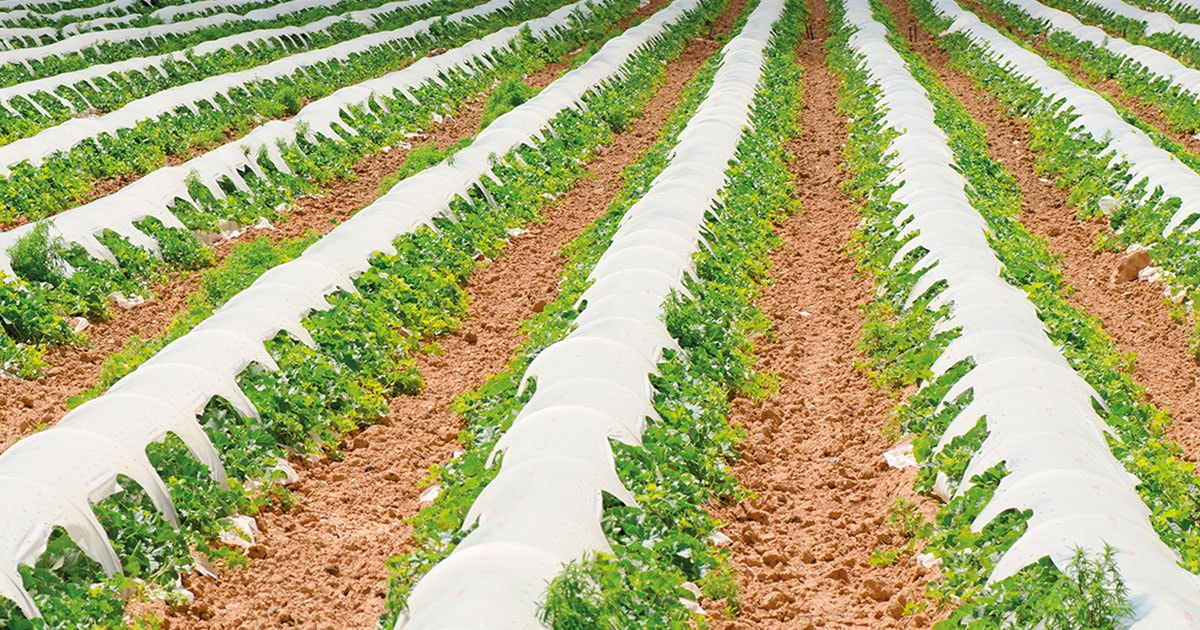
Biodegradable Agricultural Films: Faster Fragmentation but Not Complete Biodegradation
-

Bio-On Founder Marco Astorri to Appeal Court: “I Never Intended to Deceive Anyone”
-
Bio-on’s Collapse: Novamont, Short Sellers, Amber Capital and the Unanswered Questions
-
America Recycles Day: Recycle textiles, batteries, bulbs, and e-waste