
Sometimes the difference between American and European strategic thinking can be summed up in a pipeline.
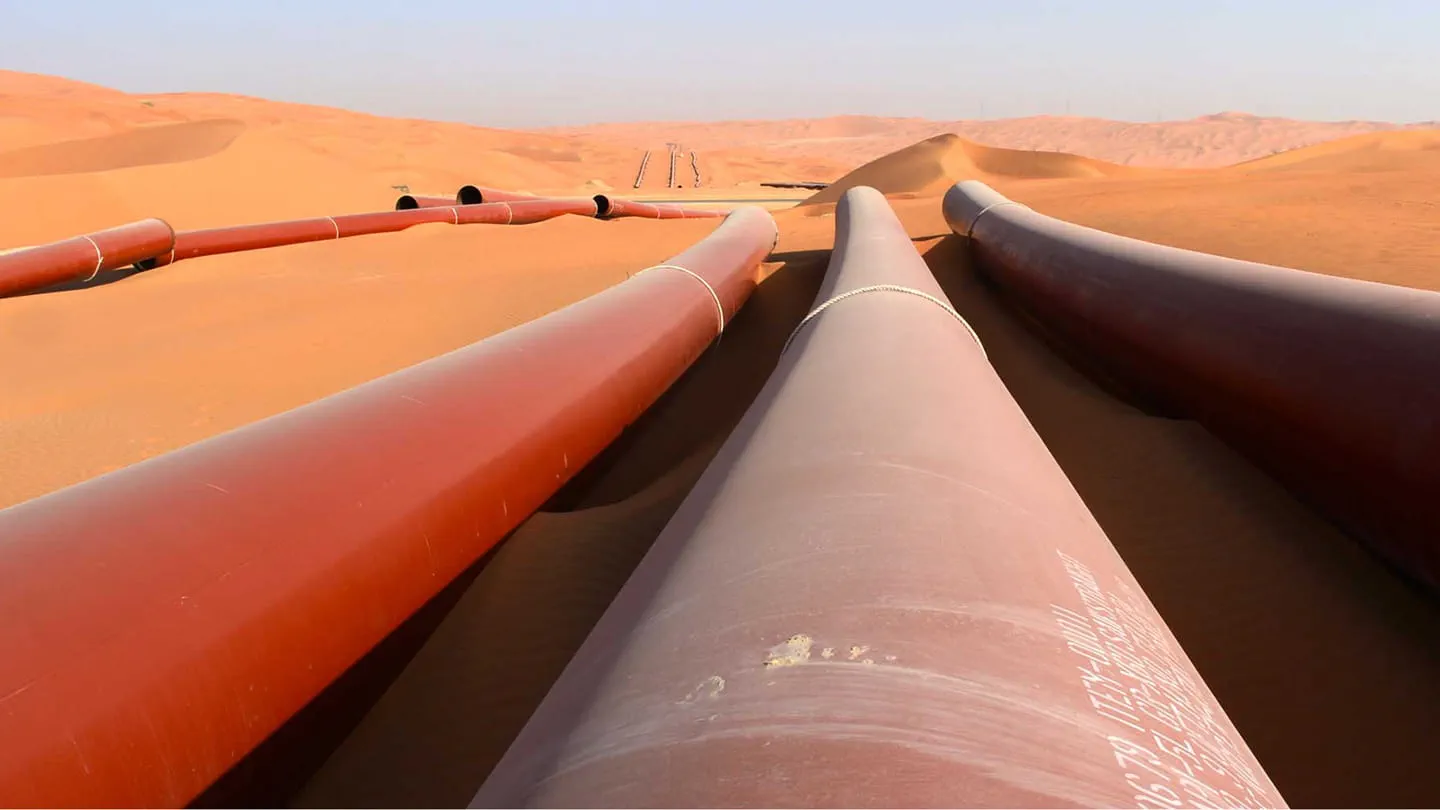
Iraq is planning a new oil pipeline through Syria to the Mediterranean, designed to reduce its dependence on the Strait of Hormuz. The project could eventually transport around 2 million barrels of crude per day and cost at least $15 billion. The United States supports the project, while a consortium including Chevron, TI Capital and UCC Holding is carrying out feasibility studies.
The destination is Syria’s Mediterranean coast. From there, Iraqi crude would have direct access to international markets — including, naturally, nearby Europe.
Now compare this with Europe’s energy strategy.
Europe has spent billions supporting Ukraine while Kyiv has intensified attacks against Russian energy infrastructure. Those attacks have included refineries, oil-export facilities and infrastructure connected to energy routes serving Europe. In March, for instance, facilities linked to TurkStream — the remaining Russian pipeline-gas route into parts of Europe — repeatedly came under attack. More recently, attacks have disrupted major Russian crude-export infrastructure on the Black Sea.
The Americans seem to be thinking differently.
Instead of merely asking how to eliminate existing energy routes, Washington is asking the more important question: what will replace them?
The answer may be a new corridor:
Iraq → Syria → Mediterranean → Europe.
Whatever one’s political views, there is something remarkably bold about the American approach.
Europe is busy dismantling yesterday’s energy architecture. America is already helping design tomorrow’s.
Personal Remarks
And then Brussels wonders why investors prefer the US to the EU.