
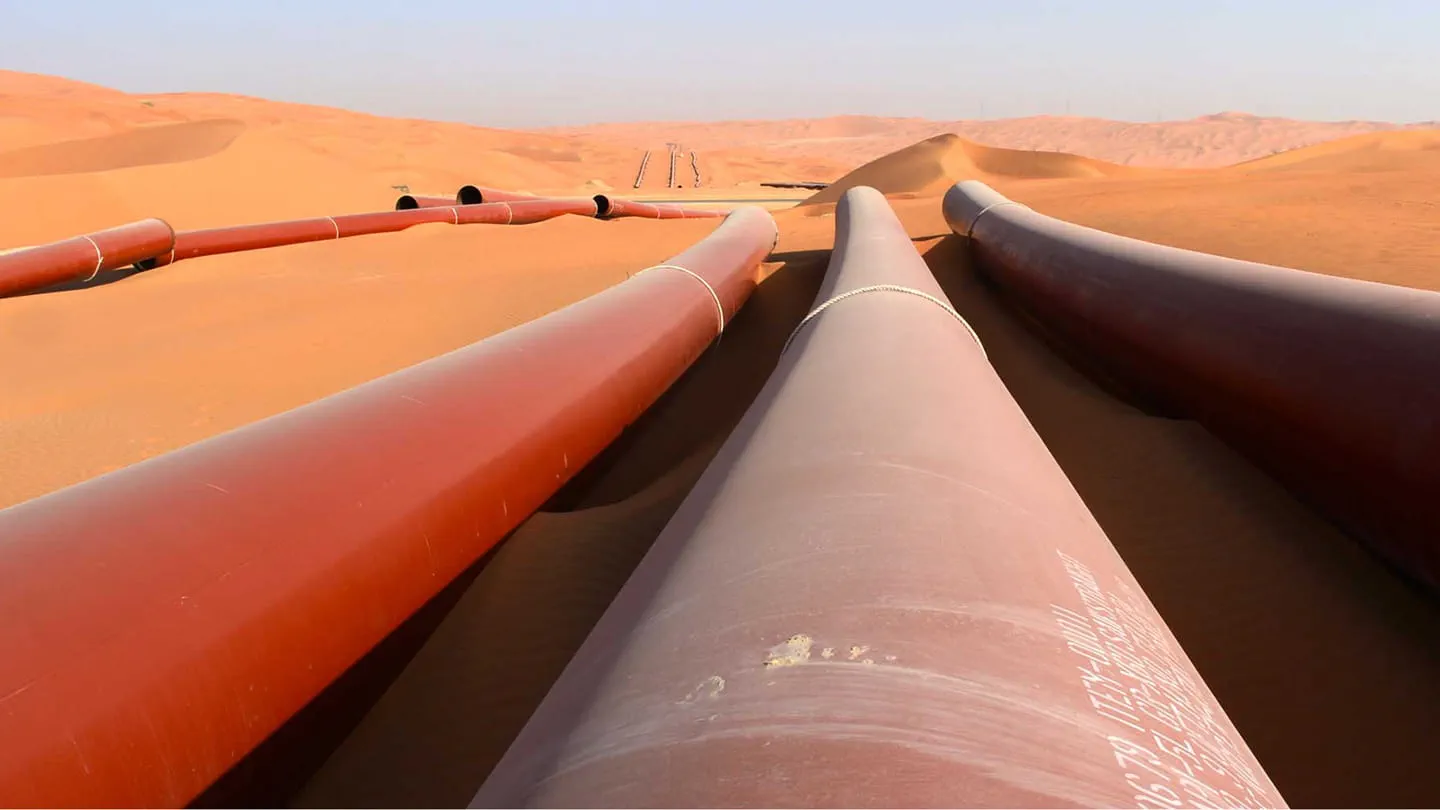
The port of Primorsk is Russia’s largest oil export terminal on the Baltic Sea, acting as the endpoint for the Baltic Pipeline System (BPS), which transports oil from West Siberia and northern Russia, as of March 2026. Due to recent drone attacks, export operations were suspended in March 2026, creating significant shipping bottlenecks for crude destined for Europe.
- Pipeline Connection: The port is directly connected to the Transneft pipeline network, which brings in massive volumes of crude oil for loading onto tankers (often referred to as part of the “shadow fleet”).
- Capacity and Destination: The port handles over 100 million tonnes of oil annually. Prior to recent tensions and sanctions, it was a primary supplier to European markets.
- Role in European Supply: Primorsk remains a crucial link for transporting Russian oil, which is then shipped to various European locations
Here is a summary of Russian energy infrastructure supplying Europe that has been destroyed or damaged in Ukrainian attacks.
Ukraine’s Campaign Against Russian Energy Infrastructure Supplying Europe
Since the start of the full-scale invasion of Ukraine in February 2022, Ukraine has increasingly targeted Russia’s oil and gas infrastructure. While many early attacks focused on refineries supplying the Russian military, a growing number of strikes have aimed at pipelines, pumping stations, export terminals, and storage facilities connected to energy flows to Europe.
This strategy reflects the central role of energy exports in Russia’s economy and in its geopolitical influence over Europe. Prior to the war, Russia supplied roughly 40–45% of the European Union’s natural gas imports and a significant share of its oil. Disrupting infrastructure linked to these exports has therefore become a key component of Ukraine’s effort to weaken Moscow’s war financing.
Targeting the Pipeline Network Supplying Europe
One of the most significant targets has been the Druzhba oil pipeline, the largest crude oil pipeline system in the world and historically one of the main supply routes for Russian oil to Central and Eastern Europe.
The pipeline has two major branches:
- A northern branch supplying Poland and Germany.
- A southern branch delivering oil to Hungary, Slovakia and the Czech Republic.
Although many EU countries reduced Russian oil imports after 2022, several landlocked countries continued to rely on Druzhba supplies.
In 2025, Ukrainian drones and missiles struck infrastructure connected to the pipeline, including a pumping station near Unecha in Russia’s Bryansk region, causing fires and temporary disruptions in oil flows toward Central Europe. The attack halted deliveries through parts of the system for several days and triggered protests from governments dependent on the pipeline.
Other attacks targeted metering stations and support facilities that regulate pipeline pressure and throughput, demonstrating Ukraine’s ability to interfere with long-distance oil transport infrastructure.
Attacks on Export Hubs Linked to European Markets
Ukraine has also expanded its campaign to include major export terminals used to ship Russian oil to Europe and global markets.
One prominent example is the Baltic Sea port of Primorsk oil port, Russia’s largest oil export terminal and a critical outlet for crude transported through the Baltic Pipeline System.
In March 2026, Ukrainian drones struck the facility, igniting fires in fuel storage tanks and disrupting operations at the terminal, which normally handles over one million barrels of oil per day.
Primorsk has historically been one of Russia’s key maritime export points for crude shipments to European refineries. Striking the port therefore has both economic and symbolic significance, targeting infrastructure that once anchored Russia’s energy relationship with Europe.
Strikes on Oil Pipeline Control Nodes
Beyond ports and refineries, Ukraine has targeted critical pipeline hubs and pumping stations responsible for moving oil across Russia’s export network.
For example, Ukrainian strikes reportedly hit facilities connected to Russia’s pipeline transport operator Transneft, including pumping stations feeding export routes toward the Baltic ports. Such infrastructure acts as a “choke point”: damage to a single pumping station can interrupt flows across hundreds of kilometres of pipeline.
In addition, Ukraine has reportedly attacked nodes connected to the Baltic Pipeline System‑2, which carries Russian crude to the export terminal at Ust‑Luga port.
These attacks target the logistics backbone that enables Russia to move oil from inland production regions to international markets.
Threats to Gas Export Routes
While oil infrastructure has been the main target, gas export routes connected to Europe have also come under pressure.
Russia has warned that Ukrainian operations have threatened compressor stations associated with the TurkStream pipeline and the Blue Stream pipeline, two pipelines carrying Russian natural gas under the Black Sea to Turkey and onward to European customers.
These pipelines represent some of the last remaining channels for Russian pipeline gas reaching Europe, following the dramatic decline of Russian gas imports since 2022.
Personal Remarks
Not to forget the destruction of the North Stream pipelines.
The situation raises uncomfortable questions. Ukraine has carried out attacks on oil and gas infrastructure that historically supplied energy to the European Union, in some cases using weapons financed with European taxpayer money.
This highlights a broader issue: the apparent weakness of the European Union in protecting its own strategic energy interests. Either European leaders are aware of these developments and are allowing them to happen, or they are failing to fully grasp the implications.
In both cases, it raises serious concerns about the role and responsibility of the European Commission and the European Council in safeguarding Europe’s energy security.
It increasingly feels as though the real betrayal is coming from within. Decisions made by those in positions of power appear to run counter to the interests of the very citizens they are meant to represent and protect.
Leave a Reply