Category: Reports & Studies
-

University of Queensland tests whether bioplastics breaks down in Moreton Bay
A major study in Southeast Queensland is testing how quickly biodegradable plastics break down in waterways, as researchers search for solutions to the world’s growing plastics problem.
Written by
·
-

World Agricultural Production Monthly Report
Monthly report on crop acreage, yield and production in major countries worldwide. Sources include reporting from FAS’s worldwide offices, official statistics of foreign governments, and analysis of economic data and satellite imagery. The report reflects official USDA estimates released in the monthly World Agricultural Supply and Demand Estimates (WASDE).
Written by
·
-

Scientists use CRISPR to make wood fiber production more sustainable
Paper, an everyday item, comes at a significant environmental cost. Its production involves the breakdown of cellulose fibers in trees using chemicals that generate chemical waste and greenhouse gases.
Written by
·
-

Canada Consults on Pesticides Strategy
On June 20, 2023, the Government of Canada announced next steps in their sustainable approach to pesticides management.
Written by
·
-

Valorization of Honduran Agro-Food Waste to Produce Bioplastics
The development of biodegradable plastics and eco-friendly biomaterials derived from renewable resources is crucial for reducing environmental damage. Agro-industrial waste and rejected food can be polymerized into bioplastics, offering a sustainable solution.
Written by
·
-

Biofuel Mandates in the EU by Member State – 2023
This report provides an overview of the biofuel use mandates in EU-27 member states, including temporary changes in response to the COVID-19 pandemic and Russia’s invasion in Ukraine
Written by
·
-

European Court of Auditors issues an in-depth report on the circular economy
Circular economy: Slow transition by member states despite EU action — Well, the European Commission is in a little privileged bubble, an ivory tower, disconnected from what’s happening in the real world. The popular buy-in for the “GreenDeal” is literally zero.
Written by
·
-
Large-scale omics dataset of polymer degradation provides robust interpretation for microbial niche and succession on different plastisphere
While biodegradable polymers have received increased attention due to the recent marine plastic problem, few studies have compared microbiomes and their degradation processes among biodegradable polymers.
Written by
·
-
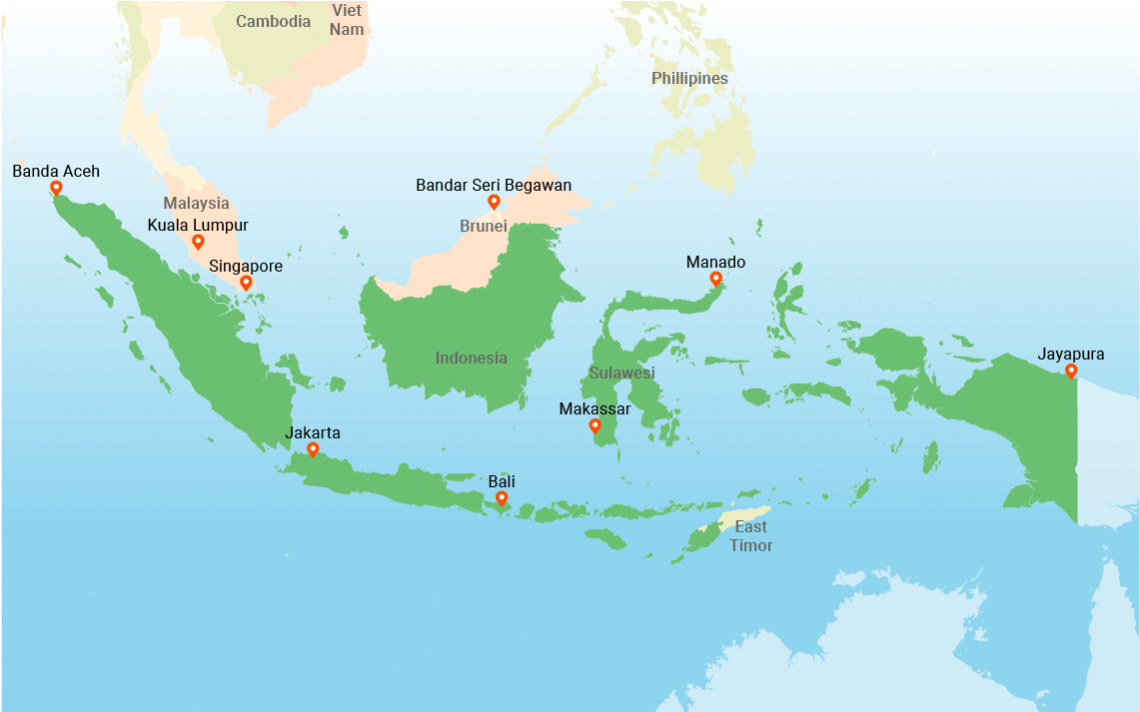
Indonesia Climate Change Report
Indonesia is a key stakeholder and an active participant at global environmental fora. Home to a vast swathe of rainforest, Indonesia is ranked as the world’s tenth largest emitter of greenhouse gases (GHG), mainly due to land-use change and energy sector emissions.
Written by
·
-
The plastic packaging sector focuses on sustainability, but recycling remains a challenge
According to a new report from Rabobank, focus on sustainability in the plastic packaging industry remains strong.
Written by
·
-

Reductive catalytic fractionation: state of the art of the lignin-first biorefinery
Reductive catalytic fractionation (RCF) of lignocellulose is an emerging biorefinery scheme that combines biomass fractionation with lignin depolymerisation.
Written by
·
-

French Industrial Composting Test
This is the type of “tests” that are needed. Looking at the partners of this project, one could doubt about its independence. A missed opportunity I think
Written by
·
-

State of sustainability reporting in Asia Pacific
Understanding sustainability reporting requirements globally and across Asia Pacific, and insights on the journey to date
Written by
·
-
Multi-country study setting new benchmark for detail and understanding of plastic packaging in European waste streams
CEFLEX and partners are conducting a multi-country compositional analysis to research the type and amount of flexible packaging and rigid plastic packaging in the post-consumer waste stream. The research is providing valuable data to understand the collection, sorting and recycling infrastructure needed in each country.
Written by
·
-

Addressing Rigor and Reproducibility in Thermal, Heterogeneous Catalysis
Achieving ChemCatBio’s mission of accelerating catalyst and process development relies on rigorously collected and reproducible catalytic data. However, the best practices for collecting, processing, and reporting catalytic data can be difficult to find and are rarely assembled in a single location. In addition to establishing catalytic research best practices, the report collects valuable reference material…
Written by
·
-

Preparation and Adsorption Properties of Lignin/Cellulose Hydrogel
With the development of global industry, industrial wastewater pollution has caused serious environmental problems, and the demand for green and sustainable adsorbents is increasingly strong in the society. In this article, lignin/cellulose hydrogel materials were prepared using sodium lignosulfonate and cellulose as raw materials and 0.1% acetic acid solution as a solvent.
Written by
·
-
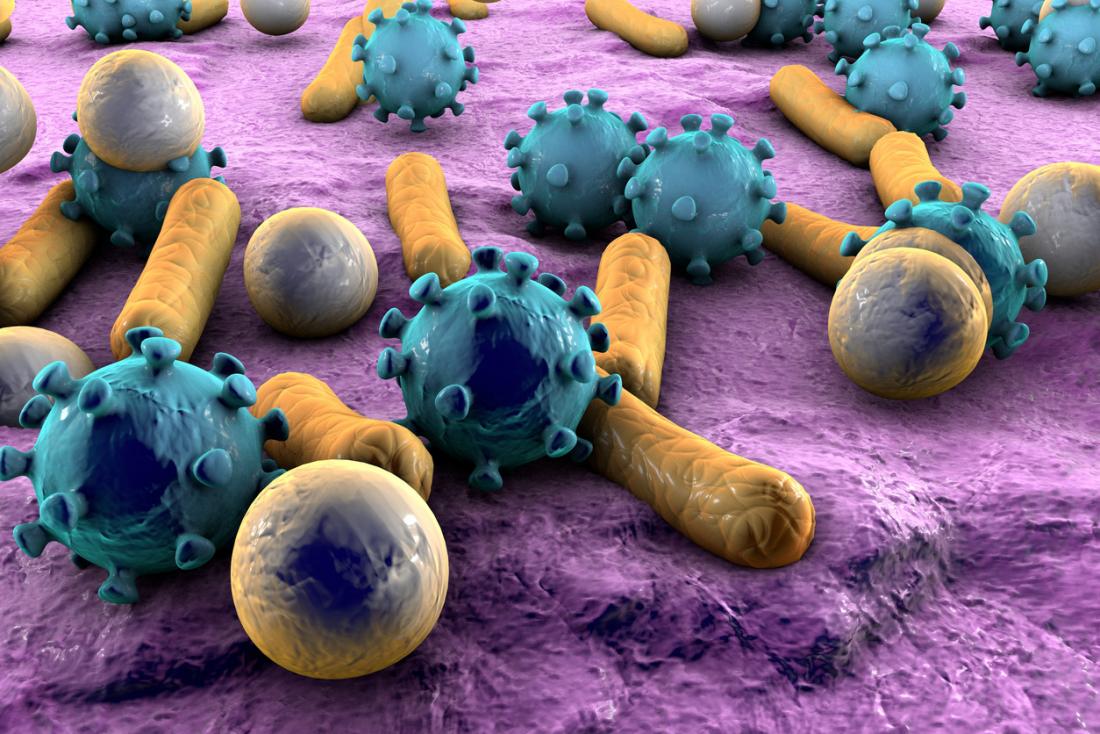
Flesh Eating Bacteria Found on Plastic
A recent study stoked fears of flesh-eating bacteria invading beaches across Florida, the Caribbean and elsewhere in the Gulf of Mexico. Experts aren’t worried … yet.
Written by
·
-

Ghana Climate Change Report
The impacts of climate change are beginning to manifest on the entire globe and particularly on developing countries like Ghana.
Written by
·
-

Thailand Biofuel Annual Report
Thailand is likely to lower biofuel consumption targets in the new AEDP 2022 due to expected lower fuel demand after 2027.
Written by
·
-

ING Report on Plastic Packaging
The sustainable food packaging choices that don’t come ready-wrapped
Written by
·
-

Plastic pollution is so bad for animals it now has a disease name — ‘plasticosis’
Researchers found consuming plastic leads to widespread scar tissue in a population of Australian seabirds
Written by
·
-

How bacteria use electricity and carbon dioxide to produce useful chemicals
In microbial electrosynthesis, microorganisms use CO2 and electricity to produce alcohol, for example. How this process works biologically, however, has only been speculated about until now.
Written by
·
-
Animal Fats in Biofuel raises concern over environmental impact and fraud
Growing demand for animal fats biofuels to power Europe’s transport system raises concerns over climate impacts and potential fraud
Written by
·
-

Recycled and reused food contact plastics are ‘vectors’ for toxins – study
Research provides a unique review of contact chemicals in packaging, utensils, plates, etc and how they contaminate food
Written by
·
-

New Greenpeace Report Calls Out Toxic Hazards of Recycled Plastic as Global Plastics Treaty Negotiations Resume in Paris
Scientific evidence overwhelmingly points to an urgent need to reduce plastic production and use to meet social justice, health and environmental imperatives
Written by
·
-
Shell Polymers Trends Report 2023
Each year, Shell Polymers releases a report to help product development and procurement teams (or anyone looking for the latest polyethylene insights) meet the shifting demands that are placed on converters, and 2023 is no different.
Written by
·
-
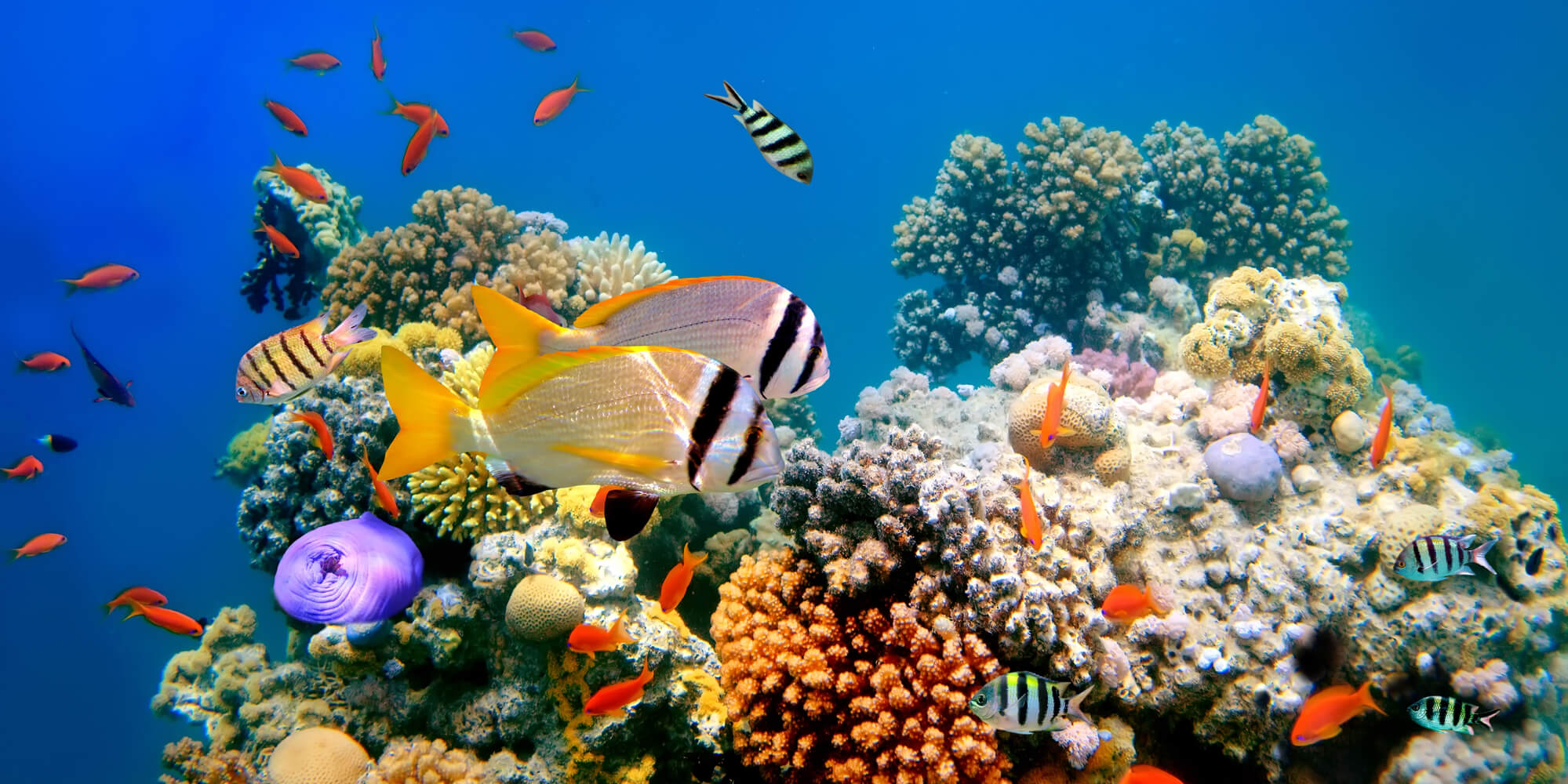
New Study Finds Bio-Based Plastic And Plastic-Blend Textiles Do Not Biodegrade In The Ocean
Not so biodegradable: Polylactic acid and cellulose/plastic blend textiles lack fast biodegradation in marine waters
Written by
·
-

Beat Plastic Pollution – Practical Guide
This Beat Plastic Pollution Practical Guide Provides Some Helpful Tips On How We Can All Be Part Of The Global Movement To Solve The Plastic Pollution Crisis.
Written by
·
-
Impacts of allocation rules on chemical recycling
New ZWE study proves proportional allocation of recycled content in plastics as the best option to secure a level-playing field and environmental benefits
Written by
·
-
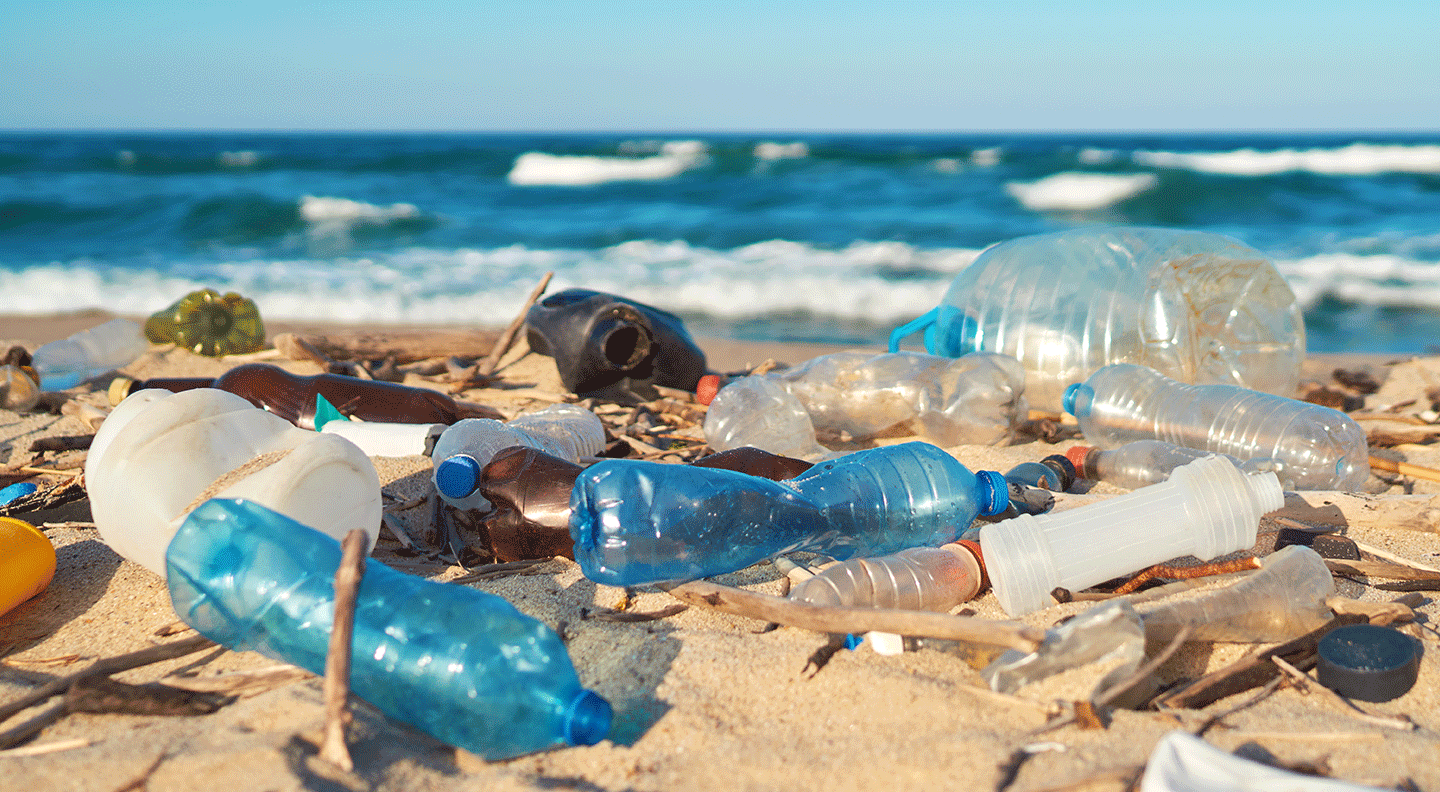
The perfect pathogen storm: Sargassum and plastic debris
A new study uncovers how the interplay between Sargassum spp., plastic marine debris and Vibrio bacteria creates the perfect “pathogen” storm that has implications for both marine life and public health.
Written by
·
-

BPA Response to UCL Report (FREE)
This is yet another literature review of the science relating to oxo-biodegradable plastic. This is a FREE article
Written by
·
-

New UN ‘roadmap’ shows how to drastically slash plastic pollution
Plastic pollution could be slashed by 80 per cent by 2040 if countries and companies use existing technologies to make significant policy shifts and market adjustments, according to a new UN Environment Programme (UNEP) report released on Tuesday.
Written by
·
-
European Commission’s Joint Research Centre Report on Advanced Recycling
The European Commission’s Joint Research Centre (JRC) has published a Life Cycle Assessment (LCA) report which benchmarks three thermal advanced plastic recycling technologies against waste to energy and mechanical recycling in terms of carbon emissions.
Written by
·
-

Greenwashing and how to avoid it: an introductory guide for Asia’s finance industry
The next wave of greenwashing: offsets, competitor claims and ‘transition-washing’
Written by
·
-
Deciphering the latest IPCC report
The IPCC finalized the Synthesis Report for the Sixth Assessment Report during the Panel’s 58th Session held in Interlaken, Switzerland from 13 – 19 March 2023.
Written by
·
-
Synthesis, modification and current market status of PBAT
A study on the synthesis, modification and current market status of PBAT
Written by
·
-

Tiny Microbes Could Brew Big Benefits for Green Biomanufacturing
Scientists find new route in bacteria to decarbonize industry. The discovery could reduce greenhouse gas emissions from the manufacturing of fuels, drugs, and chemicals.
Written by
·
-

Artificial Intelligence and Machine Learning for Bioenergy Research: Opportunities and Challenges
Artificial intelligence and machine learning (AI/ML) integration with automated experimentation, genomics, biosystems design, and bioprocessing is poised to revolutionize scientific studies, particularly bioenergy research.
Written by
·
-
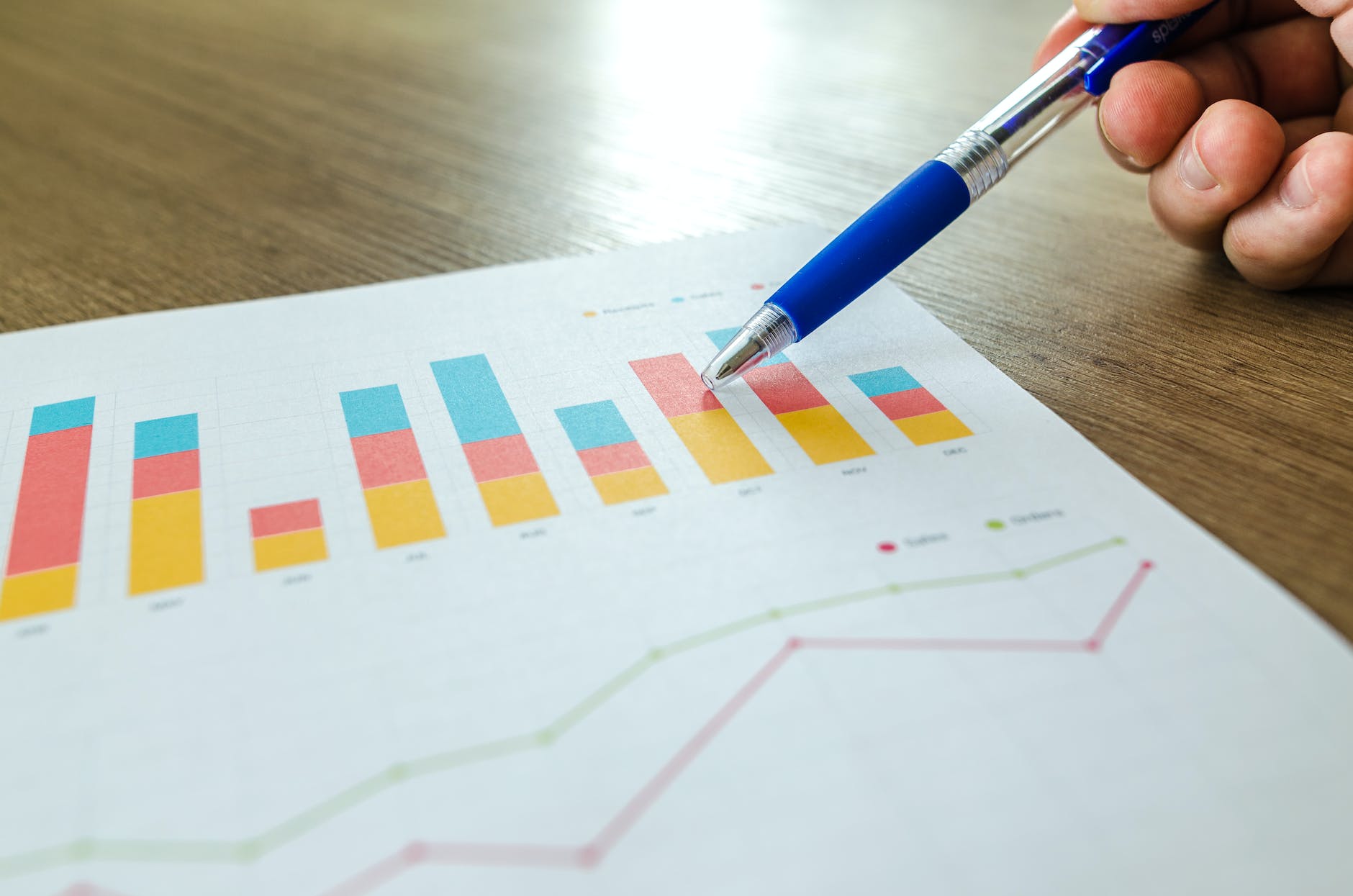
Biofuels & bioplastics: Opportunities for Europe by 2050
Comprehensive analysis of regulatory, technological, and societal trends. Forecasts how biofuel and bioplastic production capacities will evolve by 2050 in Europe
Written by
·
-

Danimer Scientific ESG Report 2022
For more than a decade, Danimer Scientific’s renewable biopolymers have helped create biodegradable and compostable plastic products that return to nature instead of polluting our lands and waters.
Written by
·
-
Bio-Based Valorization of Lignin-Derived Phenolic Compounds
Lignins are the most abundant biopolymers that consist of aromatic units. Lignins are obtained by fractionation of lignocellulose in the form of “technical lignins”. The depolymerization (conversion) of lignin and the treatment of depolymerized lignin are challenging processes due to the complexity and resistance of lignins.
Written by
·
-

Ukraine agricultural report 2022
By early April 2023, many Ukrainian official agencies and private companies published their end-of-the-year results.
Written by
·
-

Saudi Arabia Research on Renewable Rubber
A key ingredient in the manufacture of car tires and sneaker soles could be made sustainably, following new analysis of an old catalytic process. Butadiene, an essential component of synthetic rubber, is currently produced by the petrochemical industry from fossil reserves.
Written by
·
-

Chinese National Food Safety Standard Restricting Excessive Packaging for Foods and Cosmetics
In August 2021, the People’s Republic of China (PRC) State Administration of Market Regulation (SAMR) released an updated National Food Safety Standard Restricting Excessive Packaging for Foods and Cosmetics (GB 23350-2021).
Written by
·
-

Low concentration CO2 can be reused in biodegradable plastic precursor using artificial photosynthesis
Visible-light-driven 3-hydroxybutyrate production from acetone and low concentrations of CO2 with a system of hybridized photocatalytic NADH regeneration and multi-biocatalysts†
Written by
·
-
Perspective on oligomeric products from lignin depolymerization: their generation, identification, and further valorization
Lignin depolymerization is playing a pivotal role in transforming the second most abundant biopolymers in nature into many valuable chemicals/fuels.
Written by
·
-

University of Queensland raises concerns about PFAS in compostable food containers
University of Queensland researchers are analysing compostable takeaway food packaging for potentially polluting chemicals.
Written by
·
-

High levels of PFAS found in paper takeout containers
Paper Bags and Compostable Food Packages May Contain Toxic Forever Chemicals, Warns Study
Written by
·
-

Agriplastics Reports by the Environmental Investigation Agency
The use of plastics in agriculture (commonly known as ‘agriplastics’) only accounts for 3.5 per cent of annual global plastic usage. However, their design, use and the pollution they cause are devastating and extend far beyond farmland.
Written by
·
-
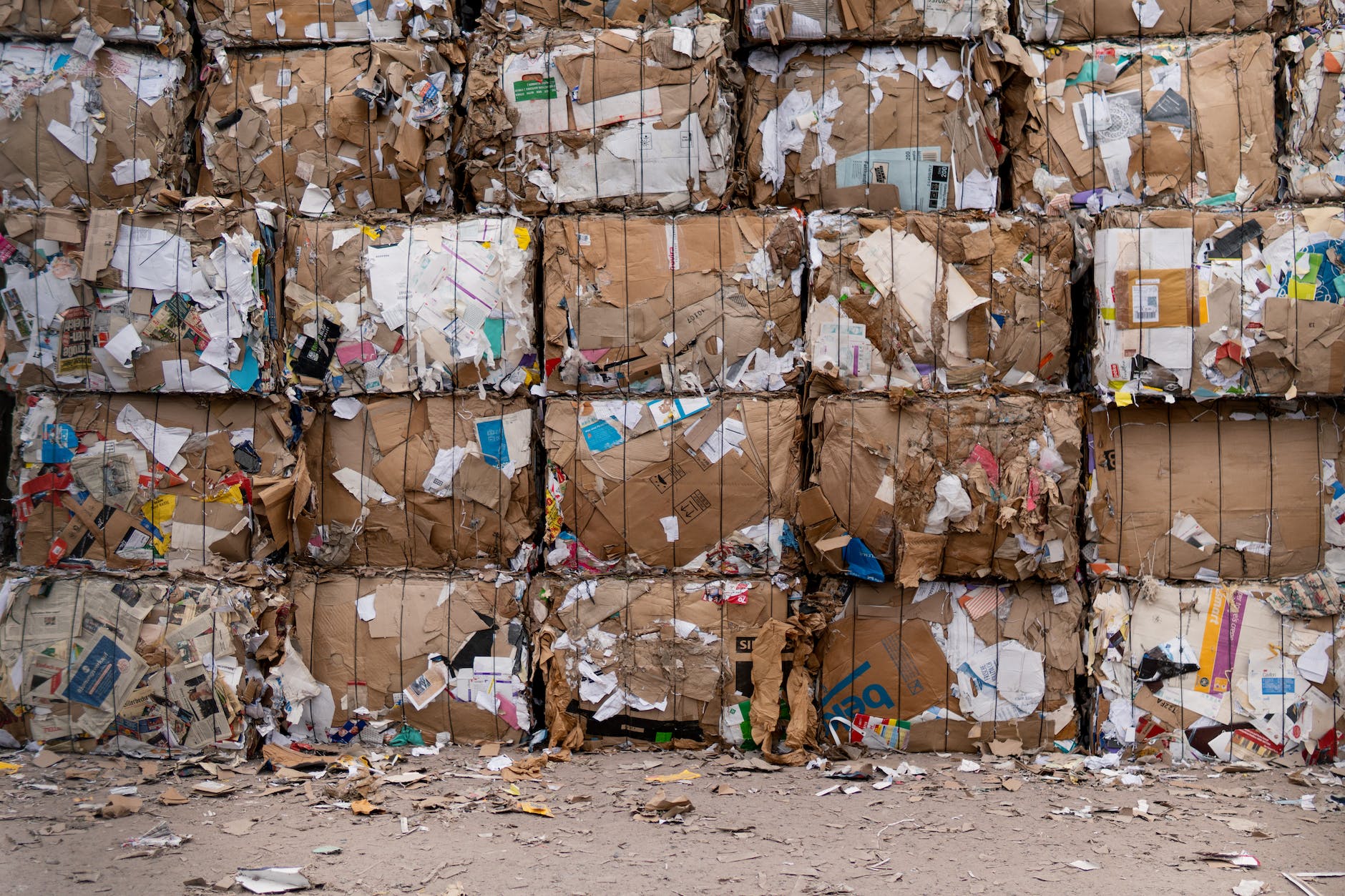
Three ways to solve the plastics pollution crisis
Researchers are studying how more-sophisticated policies, smarter recycling and new materials could stem the tide of waste.
Written by
·
-
Lignin-Based Catalysts for C–C Bond-Forming Reactions
The advances summarized in this review pinpoint lignin as a green material to catalyze the formation of C–C bonds, either through its acid form LSA or as a support for metal ions and metal nanoparticles that direct the catalytic activity.
Written by
·
-
Recycled Plastic Content Quantified through Aggregation-Induced Emission
Researchers in the UK have developed a novel method to measure recycled content that adds fluorescent dyes to recycled plastics at the beginning of manufacturing.
Written by
·
-

Adapting Philippine Agriculture to Climate Change
At least 1.25 million poor farmers and 5 million indirect beneficiaries will benefit from Adapting Philippine Agriculture to Climate Change (APA), a $39.3-million project approved to foster climate-resilient agriculture (CRA), and develop the Philippine agriculture sector. — RETHINKING MATERIALS – Innovation and Investment Summit – May 16-17, London. 10% discount with code BPN10
Written by
·
-

International study develops ground-breaking method to Recycle Used Cooking Oil
A scientist from the University of Plymouth has played a key role in new research which has developed a powerful, low-cost method for recycling used cooking oil and agricultural waste into biodiesel, and turning food scraps and plastic rubbish into high-value products.
Written by
·
-
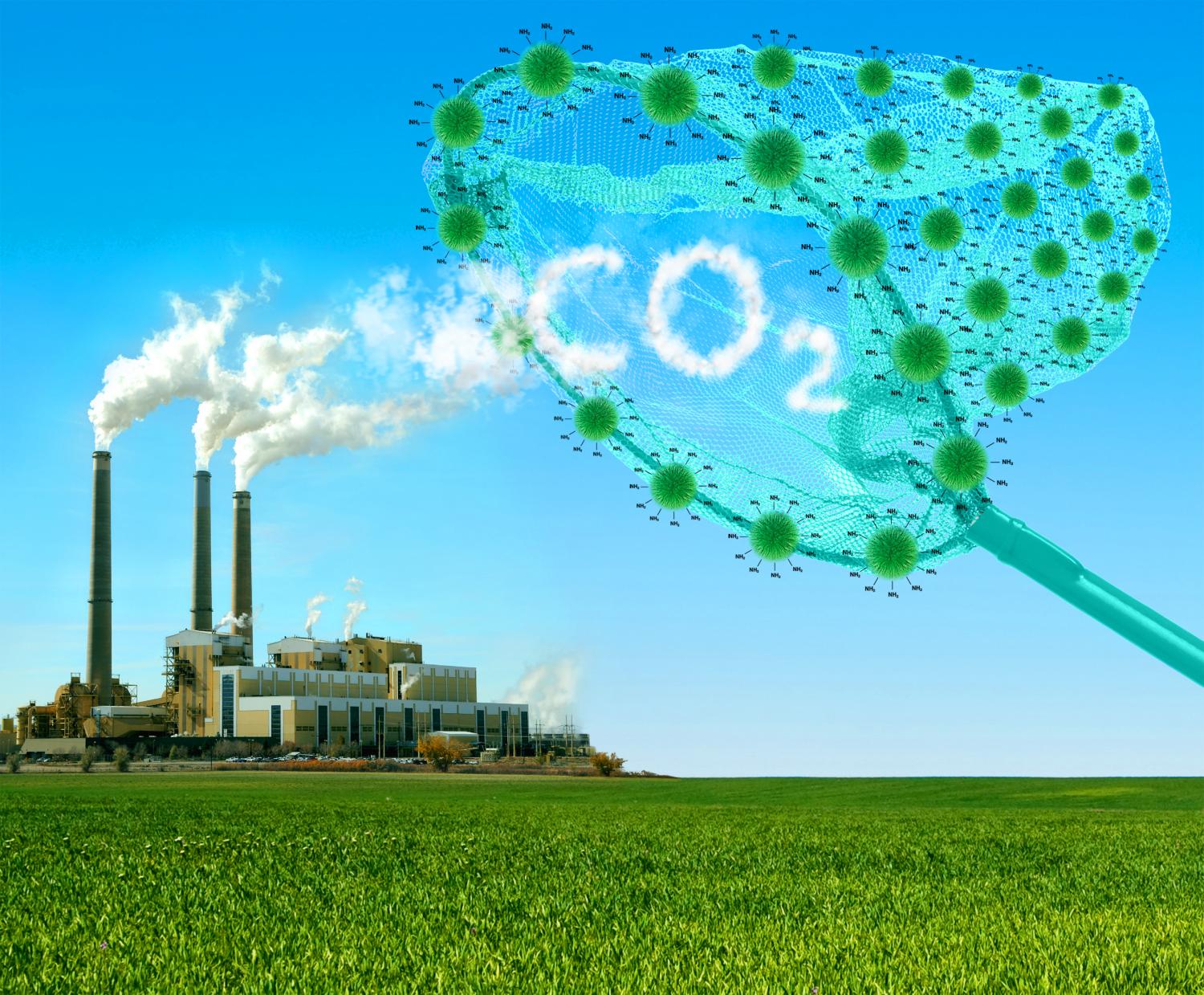
Chemists use bacteria to convert CO2 in the air into bioplastic
A new simple hybrid setup allows bacteria to capture CO2 and produce biodegradable plastic for days, boosting output by 100x previous efforts — RETHINKING MATERIALS – Innovation and Investment Summit – May 16-17, London. 10% discount with code BPN10
Written by
·
-

Closed Loop Partners Releases 2022 Impact Report
2022 was a pivotal year for Closed Loop Partners.
Written by
·
-
Effect of adding nano-materials on the properties of hydroxypropyl methylcellulose (HPMC) edible films
The bio-composite films based on Hydroxypropyl methylcellulose (HPMC) reinforced with silver nanoparticles (AgNPs) and Titanium oxide nanoparticles (TiO2-NPs) were developed.
Written by
·
-
Direct evidence for relatively fast cycling of lignin and its high temperature sensitivity
Climate projection requires an accurate understanding for soil organic carbon (SOC) decomposition and its response to warming.
Written by
·
-

The White House Unveils New Goals to Advance Biotechnology & Biomanufacturing
The Biden-Harris Administration has announced a new report, Bold Goals for U.S. Biotechnology and Biomanufacturing: Harnessing Research and Development to Further Societal Goals, to advance biotechnology and biomanufacturing, strengthen America’s bioeconomy and supply chain, and support American innovation.
Written by
·
-
New report highlights that sustainability action must overtake claims
A new survey conducted by Smurfit Kappa, in partnership with the Financial Times, has revealed that sustainability continues to play a pivotal role in the strategy and planning of senior business leaders across Europe and the Americas.
Written by
·
-
China Releases the Standard for Maximum Levels of Contaminants in Foods
On June 30, 2022, the National Health Commission (NHC) and the State Administration of Market Regulation (SAMR) released the National Food Safety Standard for Maximum Levels of Contaminants in Foods (GB 2762-2022), which will enter into force on June 30, 2023 — RETHINKING MATERIALS – Innovation and Investment Summit – May 16-17, London. 10% discount…
Written by
·
-
Land used for European biofuels could feed 120 million people daily
Europe wastes land the size of Ireland on biofuels which could be used to produce food or given back to nature to create carbon sinks
Written by
·
-
New Study Exposes Hidden Toxic Plastic Waste Trade
Contrary to current estimates, new research suggests that there is twice as much plastic waste exported to non-OECD countries
Written by
·
-

PPWR Will Increase Plastic Packaging Waste by 1500% for takeaway Says McDonald’s study
The EU proposals are no silver bullet for the environment and packaging waste
Written by
·
-

Carbon Metric Report for Scotland Household Waste
Since 2011, Scotland has been measuring the lifecycle impacts of waste – demonstrating how waste reduction and sustainable waste management can play a critical role in the fight against climate change.
Written by
·
-
The Greenwashing Crackdown Timeline
Changing Markets Foundations publishes the “Greenwashing Crackdown Timeline”.
Written by
·
-

Study on the World First Commercialization of Polycarbonate Resin Chemical Recycling
The Mitsubishi Chemical Group (the MCG Group) has started a study aimed at realizing a processing capacity of approximately 10,000 tons per year by 2030, seeking to commercialize the world’s first chemical recycling by depolymerization of polycarbonate resin (PC resin)
Written by
·
-
Machine Learning for Accurate Biodegradable and Compostable Plastic Sorting
Automatic identification and classification of compostable and biodegradable plastics using hyperspectral imaging. UK researchers use machine learning to develop “highly accurate” plastic and compostable waste sortation
Written by
·
-
EU Brief on Nanoplastics and Their Impact on The Environment and Human Health
Nanoplastics: state of knowledge and environmental and human health impacts. This Future Brief presents the current science on nanoplastics: their detection, assessment and monitoring; their impacts in the environment, ecotoxicity, and environmental fate; and their potential impacts on human health
Written by
·
-

Corporate Climate Responsibility Monitor 2023
The Corporate Climate Responsibility Monitor assesses the transparency and integrity of 24 major companies’ climate pledges and strategies. It evaluates four main areas of corporate climate action: tracking and disclosure of emissions, setting emission reduction targets, reducing own emissions, and taking responsibility for unabated emissions through climate contributions or offsetting.
Written by
·
-

Researchers Use Light to Convert Abundant Lignin into Plastic that can be Continually Recycled
New process could advance a waste-free system of polymer manufacture and re-use known as the circular plastic economy
Written by
·
-

Boston College to Partner on Study of Hazards from Plastics
BC’s Global Observatory on Pollution and Health and an international team of researchers will survey health risks posed across the continuum of plastic production, use, and disposal
Written by
·
-

Costa Rica Unveils Domestic Ag Policy Focused on Technology
The Chaves Government introduced a 10-year national agricultural strategy targeting improved export competitiveness through more efficient institutions and the adoption or development of innovative technologies.
Written by
·
-
AI Conjures Proteins that Speed up Chemical Reactions
A team led by the Institute for Protein Design devised machine-learning algorithms that created light-emitting enzymes called luciferases.
Written by
·
-

Plastic Particles in Mom’s Food Reach Unborn Children
Nanoscale plastic particles like those that permeate most food and water pass from pregnant rats to their unborn children and may impair fetal development, according to a Rutgers study that suggests the same process happens in humans.
Written by
·
-

The United Nations Global Compact–Accenture CEO Study
Nearly half of global CEOs say their sustainability efforts have been hampered: study
Written by
·
-
Mixed Waste Sorting is Key to Meeting EU Circular Economy Objectives
Reloop and Zero Waste Europe have published today a new study by Eunomia Research and Consulting which shows that applying sorting systems to mixed waste (MWS) prior to thermal treatment and landfilling can significantly support Europe’s climate objectives and contribute to achieving ambitious plastics and municipal waste recycling targets.
Written by
·
-

The Stealth Export of Waste Plastic Clothes to Kenya (FREE)
Textile waste, which is actually plastic waste (polyester), branded as second hand clothing for Africa. Is the export of second hand clothing a calamity for Africa? This is a FREE article
Written by
·
-
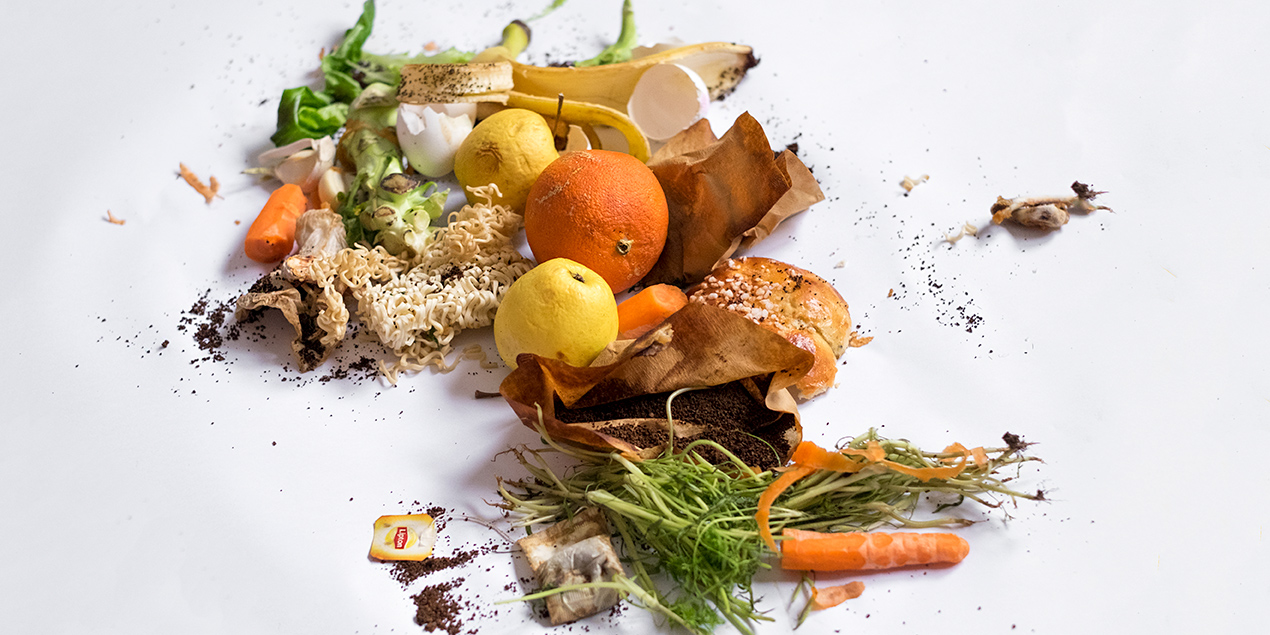
Characterization and Potential Valorization of Industrial Food Processing Wastes
Researchers dig deep into the huge potential value of industrial food waste
Written by
·
-
How Waste-Eating Bacteria Digest Complex Carbons
A common environmental bacterium, Comamonas testosteroni, could someday become nature’s plastic recycling center. While most bacteria prefer to eat sugars, C. testosteroni, instead, has a natural appetite for complex waste from plants and plastics.
Written by
·
-
Plastic Waste Makers Index 2023
The world is creating more single-use plastic waste than ever
Written by
·
-

New Study Presents Novel Behavioral Barrier-Based Framework for Sustainable Plastic Management
This framework developed and tested by researchers at Ritsumeikan University identifies barriers and context-specific measures for plastic use and disposal
Written by
·
-
Asahi Kasei and Michigan Settle PFAS Contamination Suit
The settlement could be the first of many, Michigan’s attorney general says
Written by
·
-
Degradation of Microplastics by a Thermal Fenton Reaction
Advanced oxidation processes (AOPs) are emerging techniques for microplastics purification.
Written by
·
-
WEF Framework to Accelerate the Path to Net-Zero Manufacturing and Value Chains
Achieving net zero in manufacturing and value chains is a global endeavour. Systemic collaboration is fundamental to accelerating the change.
Written by
·
-

New Method to Quantify Microbial Plastic Mineralisation
A stable isotope assay with 13C-labeled polyethylene to investigate plastic mineralization mediated by Rhodococcus ruber
Written by
·
-
Consumer Attitudes and Willingness to Pay for Biobased Products
Consumers favour bio-based alternatives over traditional fossil-based plastic bottles
Written by
·
-
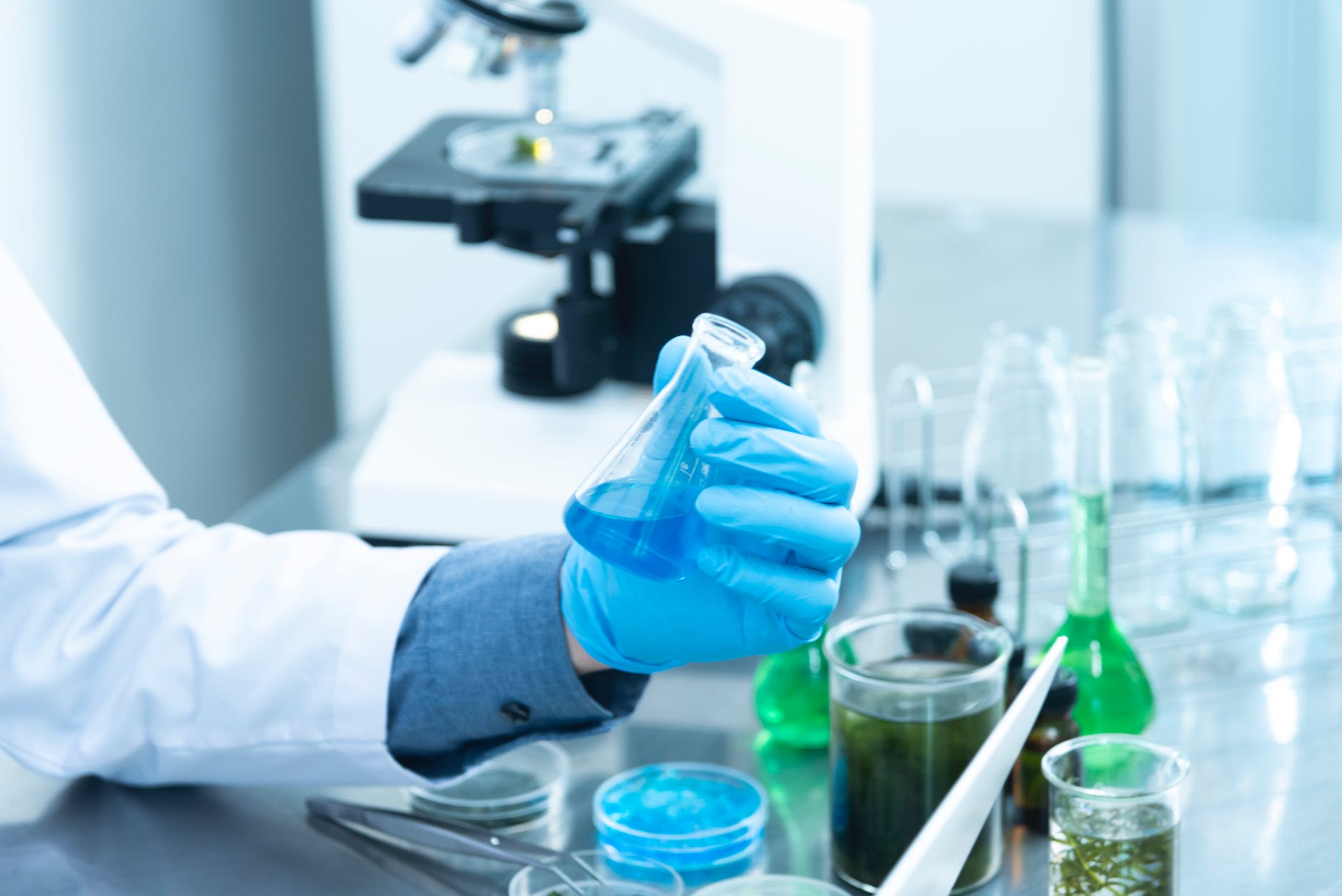
A Recipe for Stronger Biodegradable Plastics
Toward Sustaining Bioplastics: Add a Pinch of Seasoning
Written by
·
-

Top Beauty Brands Called out for Greenwashing
Is the beauty industry’s commitment to tackling climate change more than skin deep? From “incoherent” net zero plans to reliance on carbon offsetting, a report from the Carbon Trust highlights the beauty industry’s blemished climate commitments — What they fail to tell you is that “Net Zero” is also a greenwashing platform
Written by
·
-
Health Impact of Chemicals in Plastics is handed Down Two Generations
UC Riverside mouse study finds paternal exposure to phthalates increases risk of metabolic diseases in progeny
Written by
·
-
Deciphering the Inner Workings of Bacteria
A team led by University of Oldenburg microbiologist Prof. Dr. Ralf Rabus and his PhD student Patrick Becker has gained deep insights into the cellular mechanisms of a common environmental bacterium.
Written by
·
-

University of Michigan Compares Single Use vs Reusable Takeout Containers
In the effort to reduce plastic waste in the restaurant industry—single-use takeout containers, specifically—University of Michigan researchers compared the lifetime environmental impacts of single-use and reusable food containers.
Written by
·
-

Spanish Tax on Non-Reusable Plastic Packaging Enters into Force
As of January 1, 2023, Spain implemented a special tax on non-reusable plastic packaging that also applies to imported food products.
Written by
·
-

The Circularity Gap Report 2023
Circle Economy, the founders of the Circularity Gap Report, and Deloitte, held the online launch of the global Circularity Gap Report 2023 on 16 January 2023. An insightful discussion on the action needed to power the transition to a circular economy took place. The objective is to build an ongoing collaboration to accelerate collective learning…
Written by
·
-
US Gov Study Says Chemical Recycling are Problematic
‘Advanced’ Recycling of Plastic Using High Heat and Chemicals Is Costly and Environmentally Problematic, A New Government Study Finds
Written by
·
-

Ocean Plastic can be Used to Make Pharmaceuticals
Research on fungi underway at the University of Kansas has helped transform tough-to-recycle plastic waste from the Pacific Ocean into key components for making pharmaceuticals.
Written by
·
-
Study Compares Plastic Recycling Methods
Technical, Economic, and Environmental Comparison of Closed-Loop Recycling Technologies for Common Plastics
Written by
·