
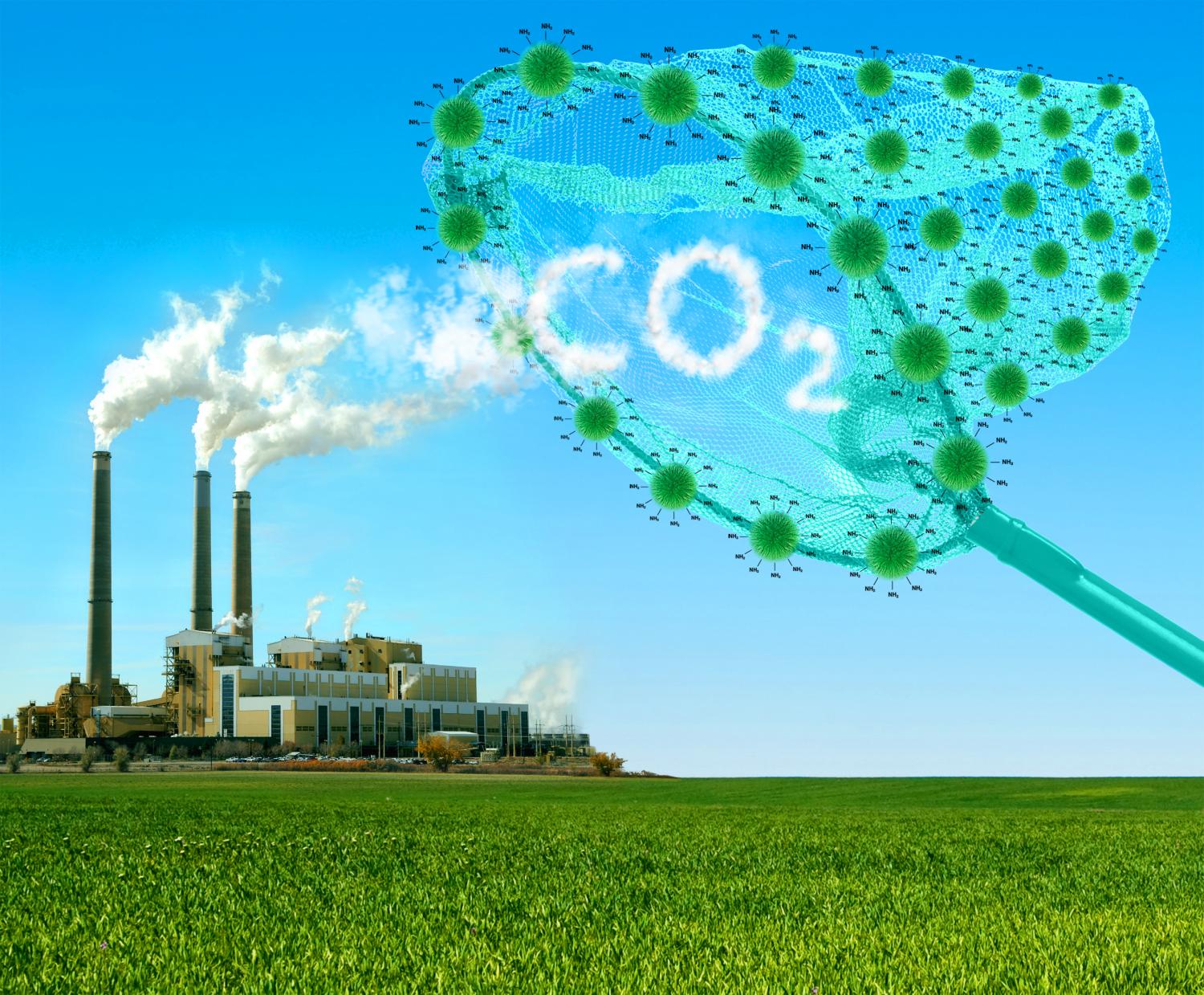
Carbon capture is a term to describe technologies that aim to remove carbon dioxide (CO2) from the atmosphere.
Carbon dioxide is a molecule; it’s a combination of two types of atoms: one carbon (C) atom and two oxygen (O2) atoms.
CO2 is a rare molecule: it’s only 0.04 % of the earth’s atmosphere (air).
Air has a very low density: the molecules are not close to each other. You can move easily through air, much more easily than through water for instance that has a higher density than air.
Carbon dioxide (CO2) is a chemically inert molecule: CO2 molecules do not connect with other molecules. CO2 molecules don’t move around or mingle with other atoms/molecules.
Carbon capture are extremely high energy-intensive technologies: they require a lot of energy to work because they intend to remove inert molecules (CO2) that are rare (0.04 % of the atmosphere) in a low density environment (air).
And then you need to transport and store captured CO2. One of the options is to store CO2 underground such as in an oil reservoir. This operation requires a lot of energy to process.
Many carbon capture research are financed with tax payer money. And here is the catch: it’s more interesting to do carbon capture research to get public funding than to solve climate issues.
Leave a Reply