
Tag: Worms
-
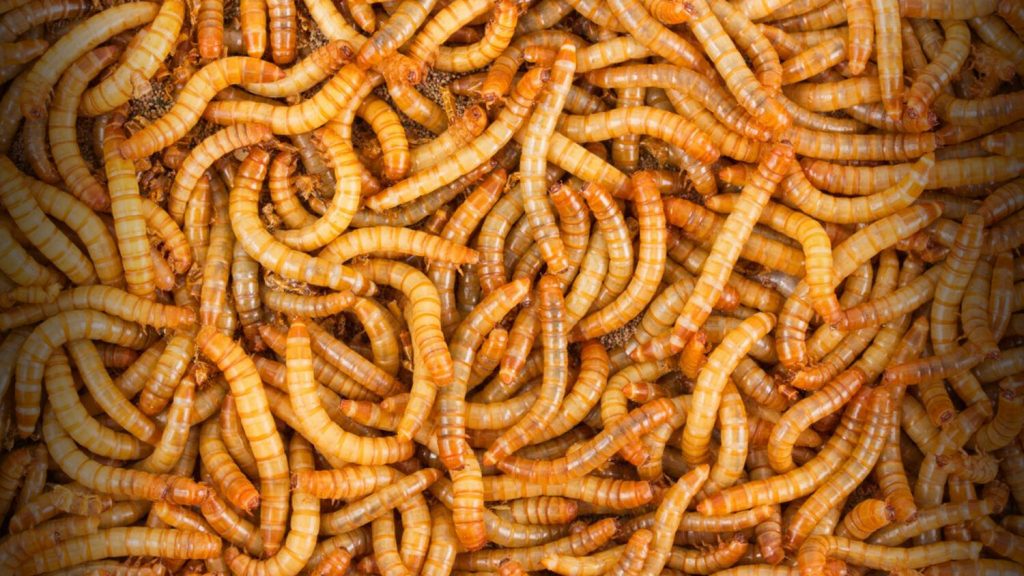
Insect microbes face off against the plastic pollution crisis
Plastic-eating enzymes in the guts of mealworms are one of many bug-centric ideas being studied, but environmentalists say it dodges the real solution: use less
Written by
·
-
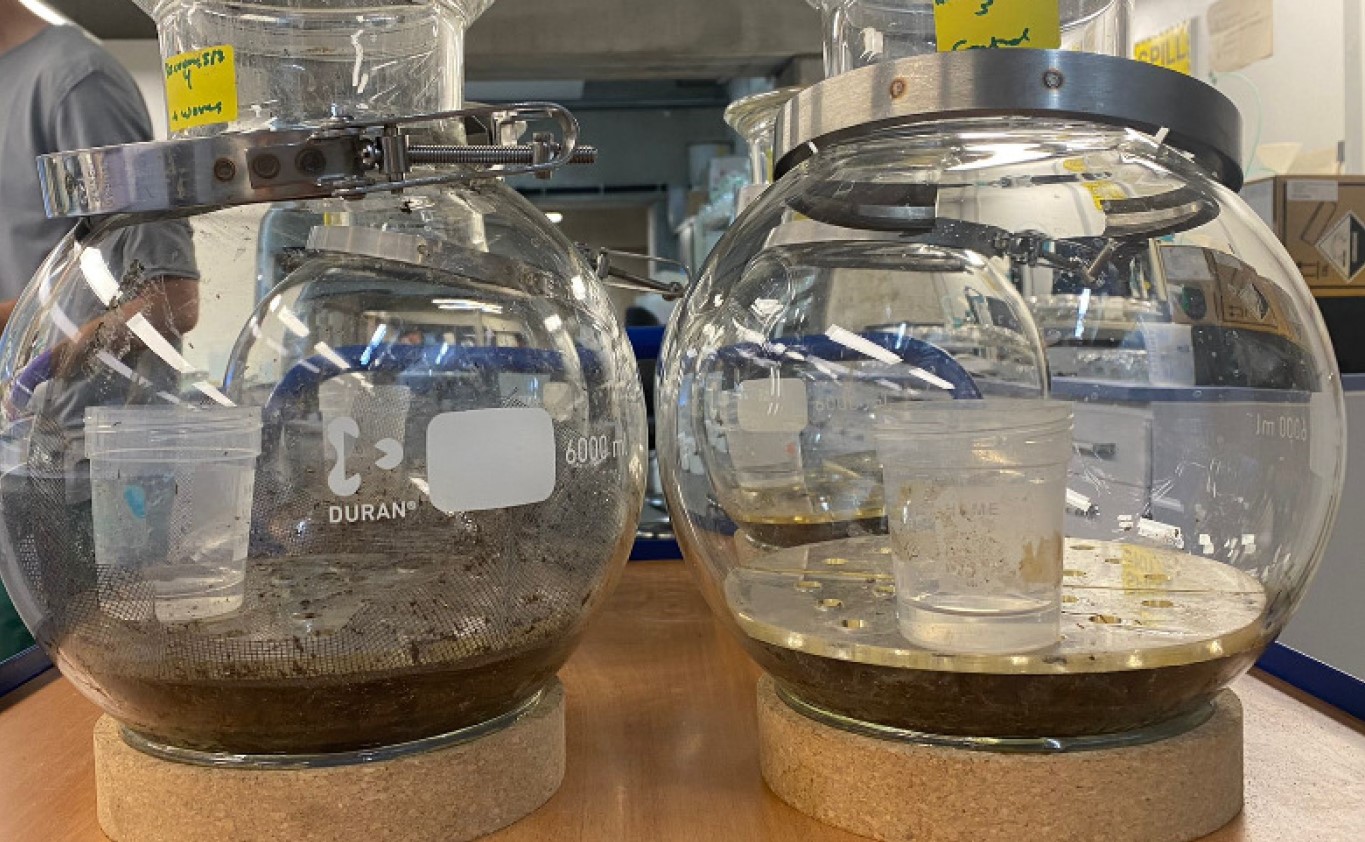
Eisenia Foetida and Lumbricus Terrestres Show High Plastic-Degrading Enzyme Activity
The insects Tenebrio molitor, Ephestia kuehniella and Galleria mellonella as well as Acheta domesticus and Hermetia illucens have also been tested, but the latter two have not been effective in degrading plastics.
Written by
·
-
Wax Worm Enzymes Can Degrade Plastics
Wax worm saliva contains enzymes capable of breaking down plastics
Written by
·
-

Turning Velvet Worm Proteins into Bioplastics
Velvet worm proteins sequenced at last: One step closer to becoming a bioplastic
Written by
·
-

New Method to Recover PHA from Bacterial Cells
Potential of mealworms used in polyhydroxyalkanoate/bioplastic recovery as red hybrid tilapia (Oreochromis sp.) feed ingredient
Written by
·
-

Superworms That Can Eat Polystyrene
Researchers at the University of Queensland have discovered the common Zophobas morio ‘superworm’ can eat through polystyrene, thanks to a bacterial enzyme in their gut.
Written by
·
-
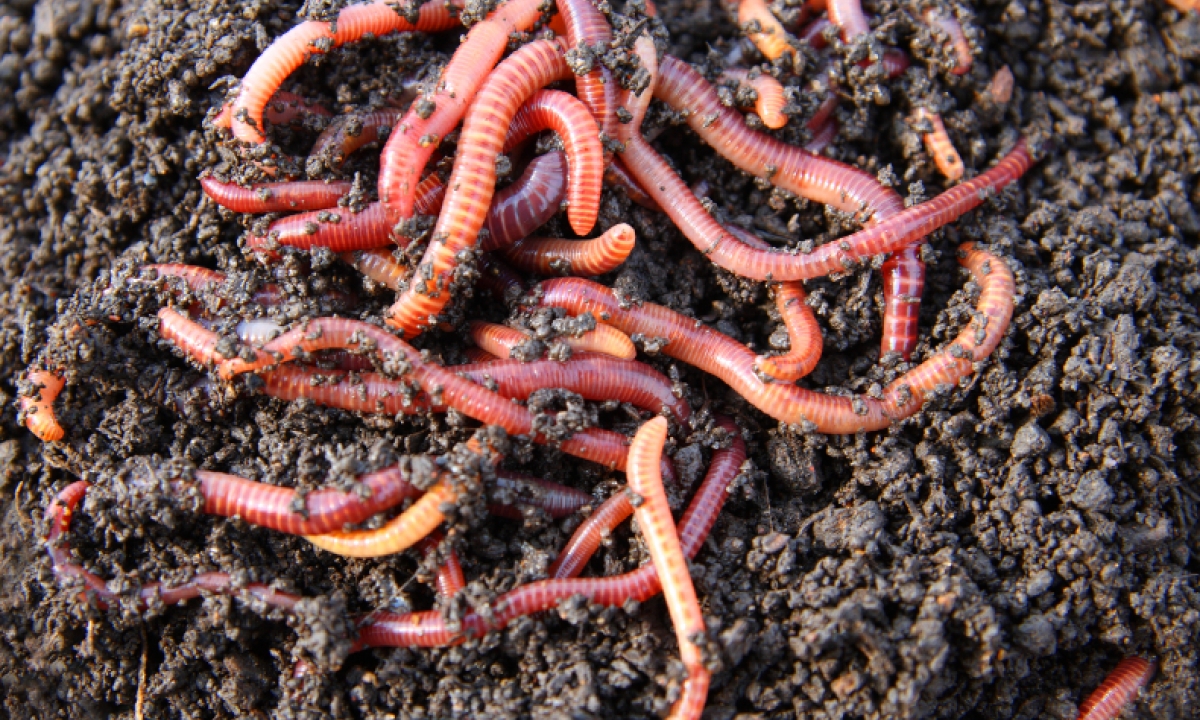
Worms Eating PLA
What are the consequences of worms eating PLA? This article got me fascinated. You have to read this one.
Written by
·
-
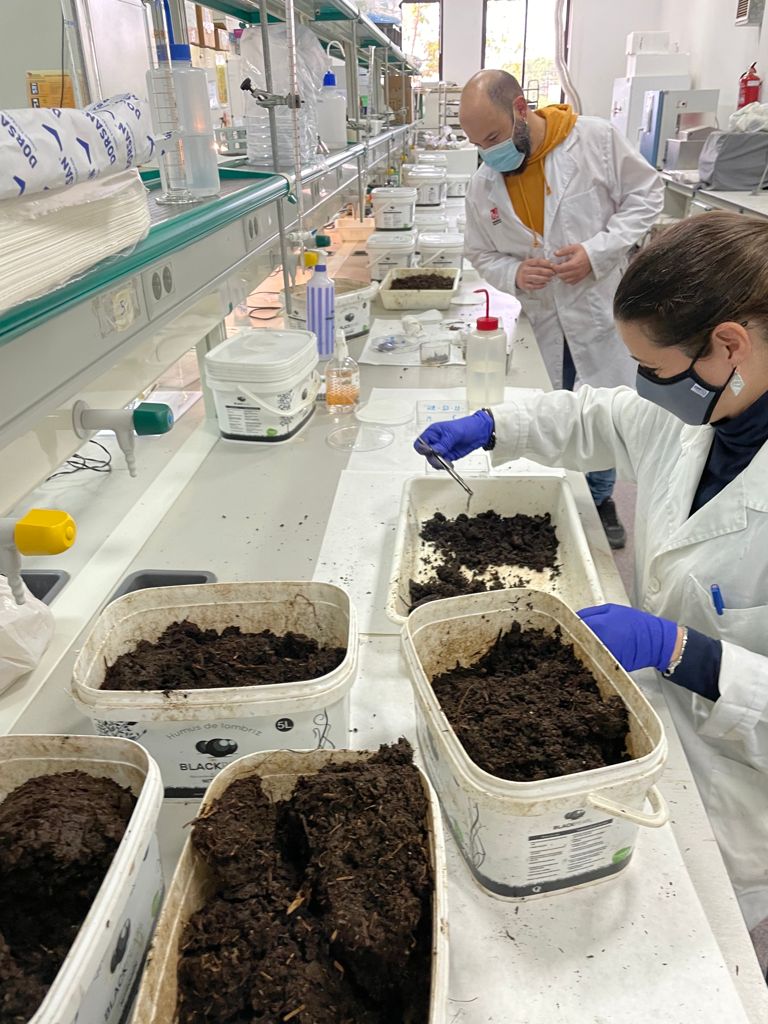
Insects, Earthworms and Enzymes Working Together to Tackle Plastic Pollution
Please find attached a press release on the progress of the RECOVER research project – CBE_JU #H2020 – which is working on finding solutions to the main problems posed by agri-food plastic waste as well as establishing a new cross-cutting interconnection in the bioeconomy involving waste management and biotechnology. A project that uses insects, earthworms…
Written by
·
-
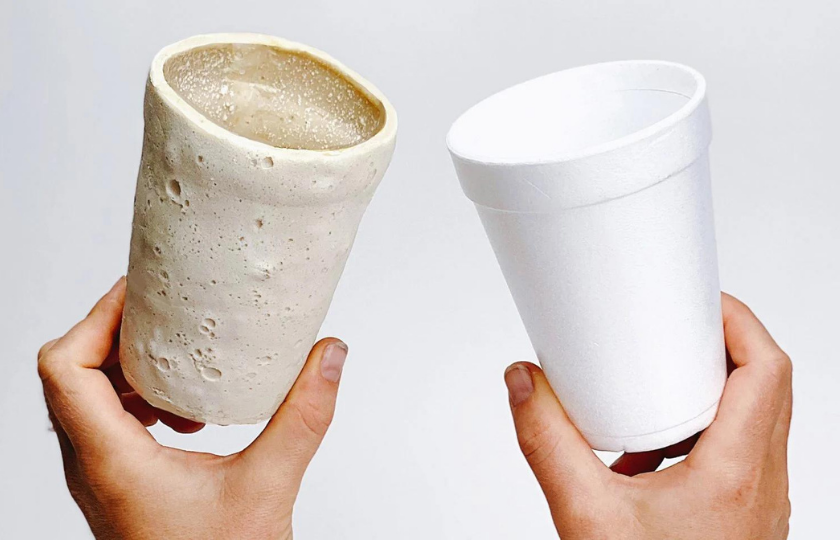
Chitofoam Bioplastic as Alternative to EPS
American design studio develops Styrofoam substitute from plastic-eating mealworms
Written by
·
-
How Shipworms Break Down Lignin?
The two-thousand-year-old mystery of the havoc-wreaking worm
Written by
·
-
Plastivores, WaxWorms and Enzymes Feasting on Plastics
Why scientists say ‘plastivores’ could be the solution to plastic pollution
Written by
·
-
Mealworms Can Eat Plastic Waste
The latest research published in Environmental Science & Technology showed that tiny mealworms are not only able to eat and digest various forms of chemical-laden plastic waste, but they also remain safe as a protein-rich food source for other animals.
Written by
·
