As of 28 October 2026, the legal battle surrounding Bio-On, once a celebrated Italian bioplastics company, is continuing before the Bologna Court of Appeal.
On 21 October, prosecutors requested prison sentences of six years and nine months for former president Marco Astorri and former vice-president Guido Cicognani, both sentenced to five years and two months at first instance in November 2024.
These are prosecution requests, not a new judgment. A further hearing was scheduled for 28 October, but its outcome has not yet been independently confirmed. Additional hearings are scheduled for 11 and 18 November.
Prosecutors also requested increased penalties for several other former executives and a four-year sentence for former finance director Pasquale Buonpensiere, who was acquitted at first instance. They asked the court to recognise the expiry of certain charges relating to the 2015 accounts and September 2019 market communications, while withdrawing mitigating circumstances previously granted.
How did Bio-On reach this point?
Founded in 2007, Bio-On developed technology based on polyhydroxyalkanoates (PHAs), biodegradable polymers produced through biological processes.
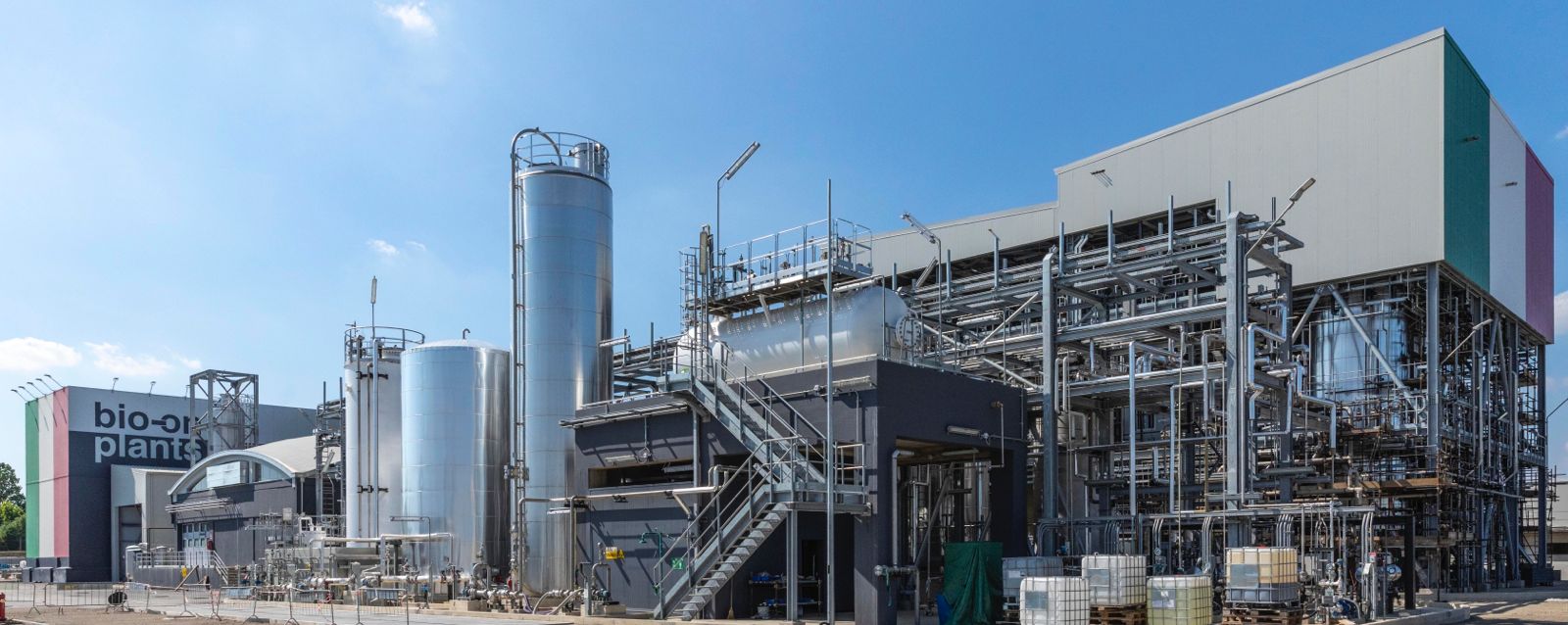
After listing on Milan’s AIM market in 2014, the company attracted investors with plans to commercialise alternatives to conventional plastics. It opened a specialty PHA production plant near Bologna in 2018 and eventually achieved a market valuation of approximately €1.3 billion.
The crisis erupted in July 2019 when US investment firm Quintessential Capital Management, which stood to benefit from a decline in Bio-On’s share price, published a highly critical report questioning its accounts and commercial claims.
Bio-On’s share price plunged. Investigations followed, and the company was declared bankrupt in December 2019.
In November 2024, a Bologna court convicted eight defendants and acquitted one. The proceedings concerned allegations including misleading financial statements and market manipulation. Importantly, some allegations were rejected, including charges relating to diversion of assets and attempted improper access to credit.
The defence has argued that Bio-On possessed real industrial technology and that the company might have survived.
The appeal must assess the evidence and the parties’ arguments; neither commercial potential nor short-selling activity, by itself, settles questions of criminal responsibility.
The unanswered questions
A second controversy concerns trading around the collapse.
Reporting by Affaritaliani, discussed by Bioplastics News, describes confidential CONSOB records identifying at least twelve operators that notified short positions between 2017 and 2023, compared with four identified in the prosecution account examined by the publication.
Not all those positions necessarily predated the collapse. The reported discrepancy does not prove illegal trading, coordination or an incomplete investigation.
On 22 October, Bioplastics News asked CONSOB and the relevant prosecutorial offices to clarify which records and operators were examined. CONSOB cited confidentiality rules without resolving that question.
For readers following the story, two distinct issues remain: whether Bio-On’s former managers committed the offences under appeal, and whether market activity surrounding the collapse received adequate scrutiny.
Both deserve evidence-based answers, without prejudging either defendants or investors.

Further reading:
Bio-On Scandal: Twelve Short Sellers, Four Names and Unanswered Questions for Bologna Prosecutors