
For fundraising it is of interest to demonstrate not only positive social impacts but also environmental ones.
Proving negative greenhouse gas (GHG) emissions would allow the programs to enter the market for carbon offsetting projects and liberate further funding.
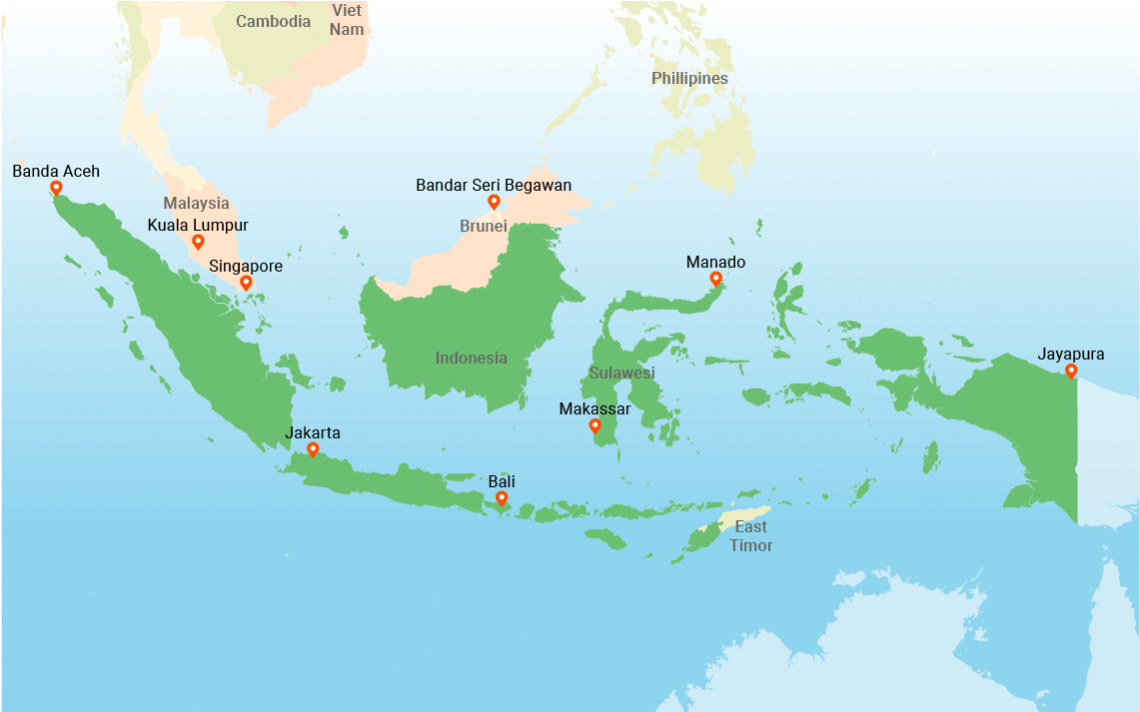
In a case study, a social reforestation program in Kalimantan, Indonesia, is analyzed. GHG emissions (according to ISO 14067, PAS 2050 and EU ILCD Handbook for LCA) of the main product, laminated veneer lumber plywood, are determined as 622 and 21 kg CO2-e/m3 for short-term and long-term (above 100 years) plywood use, respectively.
Switching to lignin-based resins and renewable electricity could reduce emissions down to − 363 kg CO2-e/m3 for long-term use.
The analyzed agroforestry system produces almost carbon–neutral plywood today and could be climate positive in the mid-term.
Refs
Carbon balance of plywood from a social reforestation program in Indonesia
Leave a Reply