Humble Bee is based in Wellington and is an early stage biomimicry research company backed by the Go Global Day One initiative, NZVIF, the ArcAngel Network and the Callaghan Innovation.
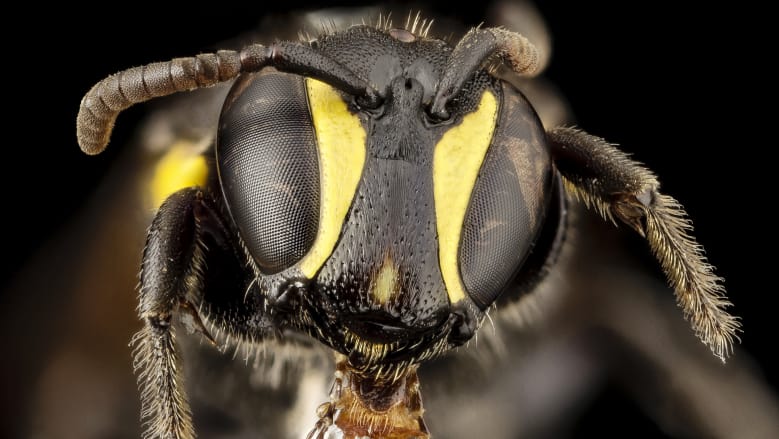
Humble Bee is studying a specific type of masked bees called Hyleaus Genus. These masked bees produces a nesting material that is very close to cellophane. The material is water-repellent, resistant to flames and high temperatures and strong chemicals.
Humble Bee is working on scaling a superior, biologically-inspired material that will provide an alternative polymer to industry, as well as improve human health and that of the environment.
Humble Bee wants to discover a substitute for plastics to disrupt the plastics industry. The first application of their material will be used for outdoor gear and in the apparel market.
Humble Bee’s team include chemists, polymer specialists, entomologists, materials scientists and synthetic biologists. They have uncovered the fundamental building blocks of the bee material, and are currently working to synthesise durable, high-performance materials at scale.
The rules of the game have changed. When companies like Google, Amazon, Facebook, AirBnb, Uber came into operations they disrupted the old world. The chances are big that the plastics industry will be disrupted. The power lies in the hand of the consumers. Some plastics companies have been living in their caves. They may get a wake up call soon.
RELATED LINKS