Category: Bacteria, Enzymes & Microbes
-
Most plastics are made from fossil fuels and end up in the ocean, but marine microbes can’t degrade them – new research
Most plastics are made from fossil fuels and end up in the ocean, but marine microbes can’t degrade them – new research — The bioplastic industry was built on unfair commercial practices. A combination of aggressive lobbying, misappropriation of EU funds and ostracising the competition and independent media. To undo the bad karma, we must…
Written by
·
-

Circe Bioscience licenses technology to decarbonize industry with microbes developed at Wyss Institute at Harvard University
Circe Bioscience licenses technology to decarbonize industry with microbes developed at Wyss Institute at Harvard University
Written by
·
-
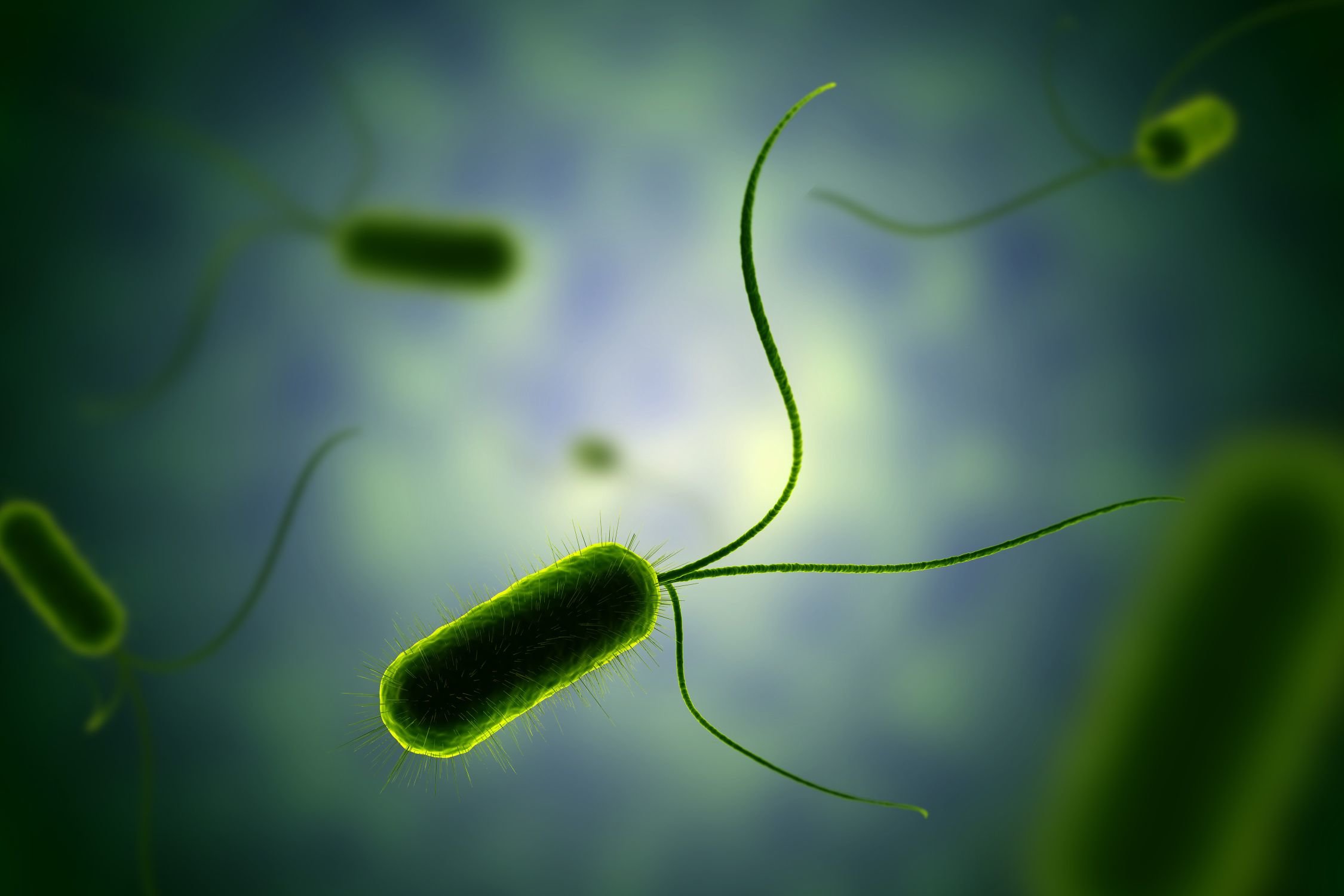
Soil bacteria respire more CO2 after eating non-sugar organic matter
Soil bacteria respire more CO2 after eating non-sugar organic matter
Written by
·
-

Israel seeks to recycle plastic with bacteria
Israel seeks to recycle plastic with bacteria
Written by
·
-
Lignin biotransformation: Advances in enzymatic valorization and bioproduction strategies
Lignin biotransformation: Advances in enzymatic valorization and bioproduction strategies
Written by
·
-

This Startup’s AI Designs Enzymes That Can Eat Plastic Waste (Video)
This Startup’s AI Designs Enzymes That Can Eat Plastic Waste
Written by
·
-
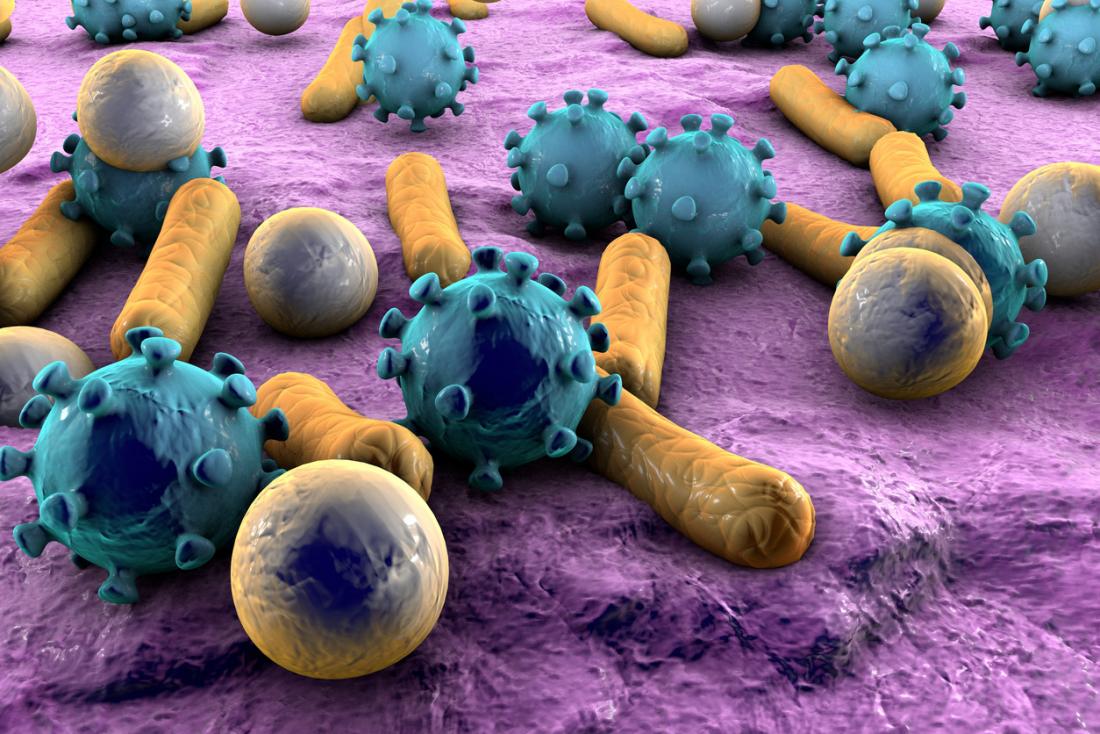
Biodegradable ‘Living Plastic’ Houses Bacterial Spores That Help It Break Down
Biodegradable ‘Living Plastic’ Houses Bacterial Spores That Help It Break Down
Written by
·
-

Bacteria for climate-neutral chemicals of the future
Bacteria for climate-neutral chemicals of the future
Written by
·
-

A microbial plastic factory for high-quality green plastic
Microbial Platform for Tailor-made Production of a Biodegradable Polylactide Modifier: Ultrahigh-Molecular-Weight Lactate-Based Polyester LAHB
Written by
·
-
Harnessing photosynthetic microorganisms for enhanced bioremediation of microplastics: A comprehensive review
Harnessing photosynthetic microorganisms for enhanced bioremediation of microplastics: A comprehensive review
Written by
·
-
Valorization of depolymerized lignin using microorganisms
Microbial Upcycling of Depolymerized Lignin into Value-Added Chemicals
Written by
·
-
Strategy to enrich cyanobacteria PHB-producers
Photosynthetic species composition determines bioplastics production in microbiomes: Strategy to enrich cyanobacteria PHB-producers
Written by
·
-
Identification of the bacterial community that degrades phenanthrene sorbed to polystyrene nanoplastics using DNA-based stable isotope probing
Identification of the bacterial community that degrades phenanthrene sorbed to polystyrene nanoplastics using DNA-based stable isotope probing
Written by
·
-
Application of MicroResp™ for quick and easy detection of plastic degradation by marine bacterial isolates
Application of MicroResp™ for quick and easy detection of plastic degradation by marine bacterial isolates
Written by
·
-
Screening and optimization of PHB by Lysinibacillus fusiformis from diverse environmental sources
Screening and optimization of polyhydroxybutyrate (PHB) by Lysinibacillus fusiformis from diverse environmental sources
Written by
·
-
Researchers engineer bacteria that convert plastic into Spider Silk
For the first time, researchers have used bacteria to “upcycle” waste polyethylene
Written by
·
-

US scientists engineer bacteria to make valuable products from plant fiber
Multitasking microbes: UW–Madison scientists engineer bacteria to make two valuable products from plant fiber
Written by
·
-

Interview EnginZyme CEO on biomanufacturing
A platform for biomanufacturing, with EnginZyme CEO Karim Engelmark-Cassimjee
Written by
·
-
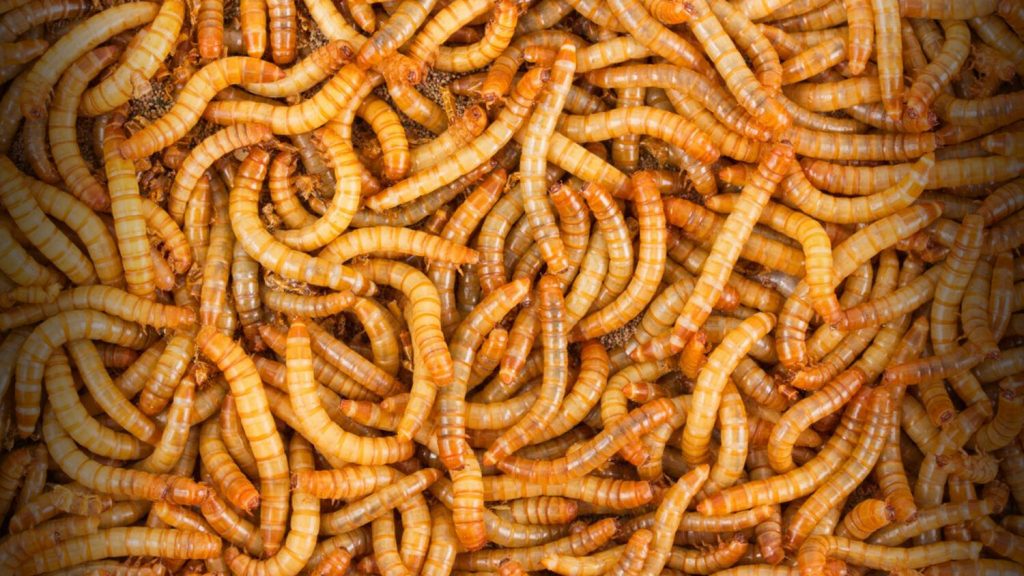
Insect microbes face off against the plastic pollution crisis
Plastic-eating enzymes in the guts of mealworms are one of many bug-centric ideas being studied, but environmentalists say it dodges the real solution: use less
Written by
·
-

Sustainable production and degradation of plastics using microbes (South Korea)
Eco-friendly technologies for plastic production and biodegradation?
Written by
·
-
Boosting PET recycling with higher standards for laboratory experiments
Assessment of Four Engineered PET Degrading Enzymes Considering Large-Scale Industrial Applications
Written by
·
-

Reuters video of FabricNano lab
Inside the lab making enzymes for next-gen bio-plastics
Written by
·
-
Could bacteria and fungi solve plastic waste crisis? (Washington Post)
One solution to the plastic crisis may lie in bugs’ bellies
Written by
·
-
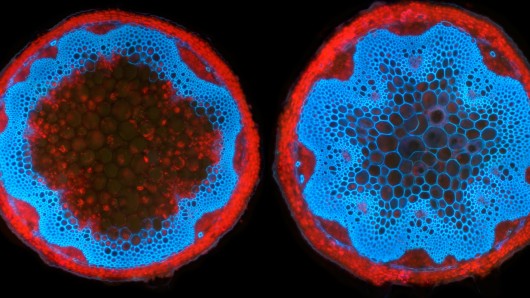
Novel Mechanoenzymatic Strategy for Lignin Depolymerization
Constitutive lignin phenolic monomers have gained significant attention in recent years due to their potential applications in the production of high-value chemicals. However, generating phenolic monomers remains challenging, as lignin, the precursor, is hard to depolymerize.
Written by
·
-
Microbial Upcycling of Waste PET to Adipic Acid
Plastic-eating bacteria turn waste into useful starting materials for other products
Written by
·
-
Marine bacteria take a bite at plastic pollution
A bacterium found in the sea can degrade a plastic that otherwise resists microbial breakdown in marine environments.
Written by
·
-

New Public-Private Partnerships Look to AI and Enzymes to Break Down Plastic and Textile Waste
Protein Evolution Partners with Agile BioFoundry and the Joint BioEnergy Institute to Decarbonize the Chemicals Industry
Written by
·
-
New deep-sea enzyme breaks down PET plastic
An archaeal lid-containing feruloyl esterase degrades polyethylene terephthalate
Written by
·
-
The Atlantic on Biological Recycling
Article by The Atlantic on Biological Recycling — Biological Recycling is an option that should be looked at …. again; but there’s a lack of transparency and that’s never a good thing
Written by
·
-
Researchers use enzymes to develop a new class of materials for biocatalytic processes
Industrial biocatalysis with enzymes is deemed to be a “game changer” in the development of a sustainable chemical industry. Enzymes can be used to synthesize an impressive range of complex molecules, including pharmaceutical substances, under environmentally compatible conditions.
Written by
·
-
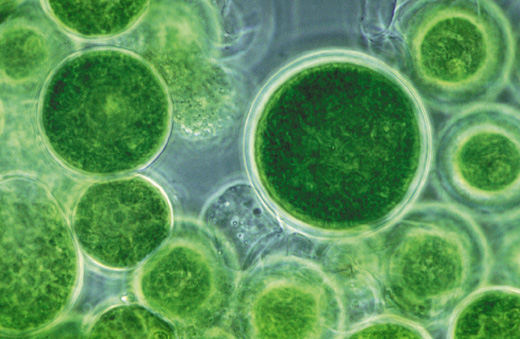
Feeding bacteria seaweed to make compostable plastic
Bioprocess engineer Jesús E. Rodríguez’s team dreams of replacing all synthetic plastics with biodegradable products.
Written by
·
-

Eco-friendly enzyme to create key chemical building blocks
Photoenzymatic system can efficiently synthesize chiral amines, solving a persistent challenge in chemistry and advancing biomanufacturing
Written by
·
-

Imaging shows how solar-powered microbes turn CO2 into bioplastic
When considering ways to sustainably generate environmentally friendly products, bacteria might not immediately spring to mind. However, in recent years scientists have created microbe-semiconductor biohybrids that merge the biosynthetic power of living systems with the ability of semiconductors to harvest light.
Written by
·
-

Making Renewable, Infinitely Recyclable Plastics Using Bacteria
Scientists engineered microbes to make the ingredients for recyclable plastics – replacing finite, polluting petrochemicals with sustainable alternatives.
Written by
·
-

Harnessing synthetic biology to make sustainable alternatives to petroleum products
Visolis, founded by Deepak Dugar SM ’11, MBA ’13, PhD ’13, is working to decarbonize the production of everything from rubber to jet fuel.
Written by
·
-

New US biodegradable plastics are compostable in your backyard
US university develops new bioplastics
Written by
·
-
Microbial Electrosynthesis – Scientists Discover That Bacteria Can Produce More Chemical Substances Than Thought
The environmental impact and economic feasibility assessment of composite calcium alginate bioplastics derived from Sargassum
Written by
·
-
How bacteria use electricity and carbon dioxide to produce useful chemicals
In microbial electrosynthesis, microorganisms use CO2 and electricity to produce alcohol, for example. How this process works biologically, however, has only been speculated about until now.
Written by
·
-

Scientists Find Microbes That Can Break Down Plastic in the Cold
Scientists at the Swiss Federal Institute for Forest, Snow and Landscape Research WSL have discovered microbes that degrade plastic at cool temperatures. This opens up new perspectives for recycling certain types of plastic. Most known microbes require at least 30°C for their decomposition work.
Written by
·
-

Microbes discovered that can digest plastics at low temperatures
Scientists have found microbes that can do this at 15C, in a potential breakthrough for recycling
Written by
·
-
Tiny Microbes Could Brew Big Benefits for Green Biomanufacturing
Scientists find new route in bacteria to decarbonize industry. The discovery could reduce greenhouse gas emissions from the manufacturing of fuels, drugs, and chemicals.
Written by
·
-
Reuters Video on FabricNano lab making enzymes for next-gen bio-plastics
London-based FabricNano is developing enzymes and a system that will allow the global chemical industry to end its dependence on fossil fuels and produce the plastic products the world still uses without the pollution that currently goes with them.
Written by
·
-
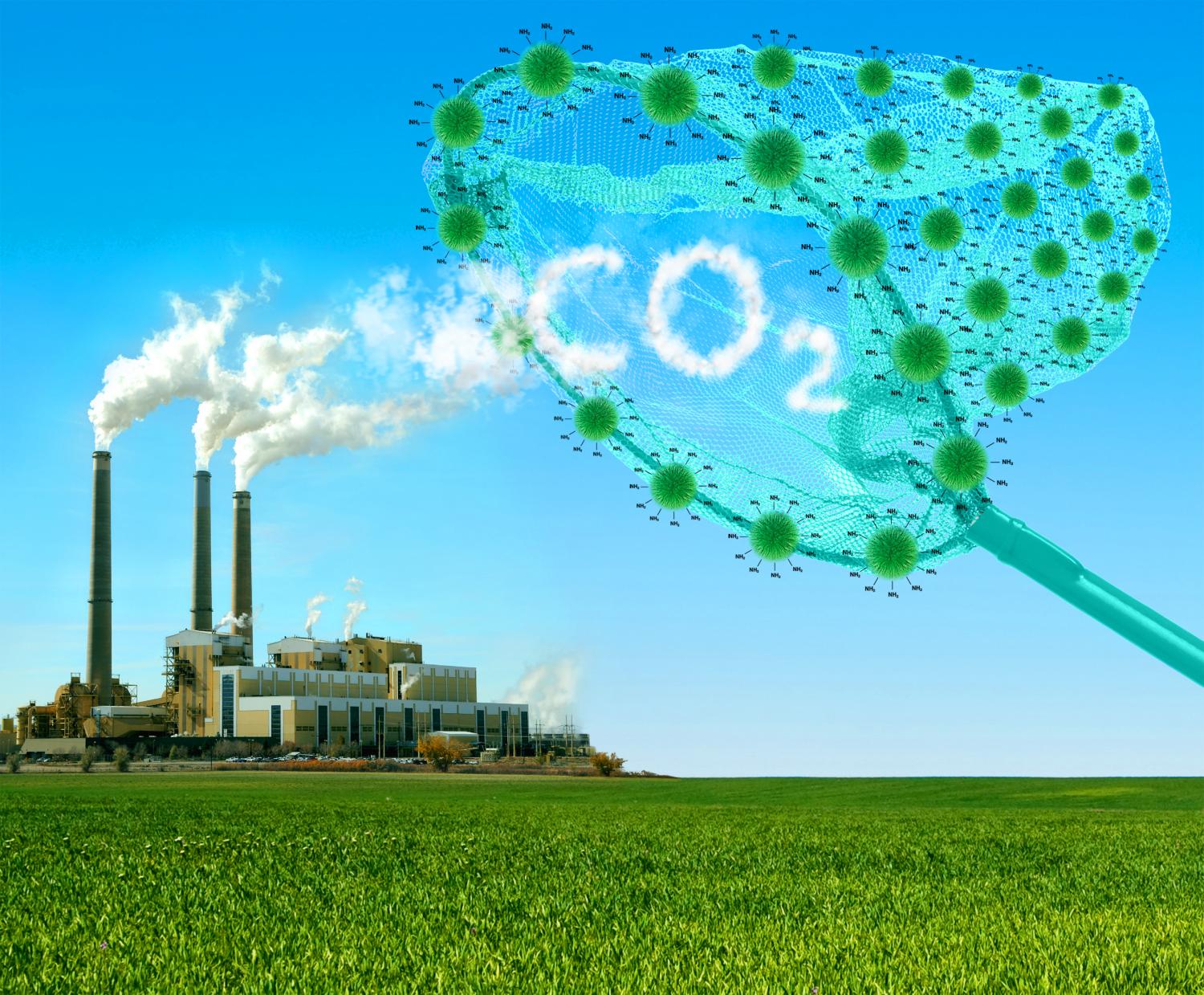
Chemists use bacteria to convert CO2 in the air into bioplastic
A new simple hybrid setup allows bacteria to capture CO2 and produce biodegradable plastic for days, boosting output by 100x previous efforts — RETHINKING MATERIALS – Innovation and Investment Summit – May 16-17, London. 10% discount with code BPN10
Written by
·
-
AI Conjures Proteins that Speed up Chemical Reactions
A team led by the Institute for Protein Design devised machine-learning algorithms that created light-emitting enzymes called luciferases.
Written by
·
-

3D Printing with Bacteria-Loaded Ink Produces Bone-Like Composites
Bone-Like Composites Can be Fabricated When 3D Printing with Bacteria-Loaded Ink, Called BactoInk
Written by
·
-
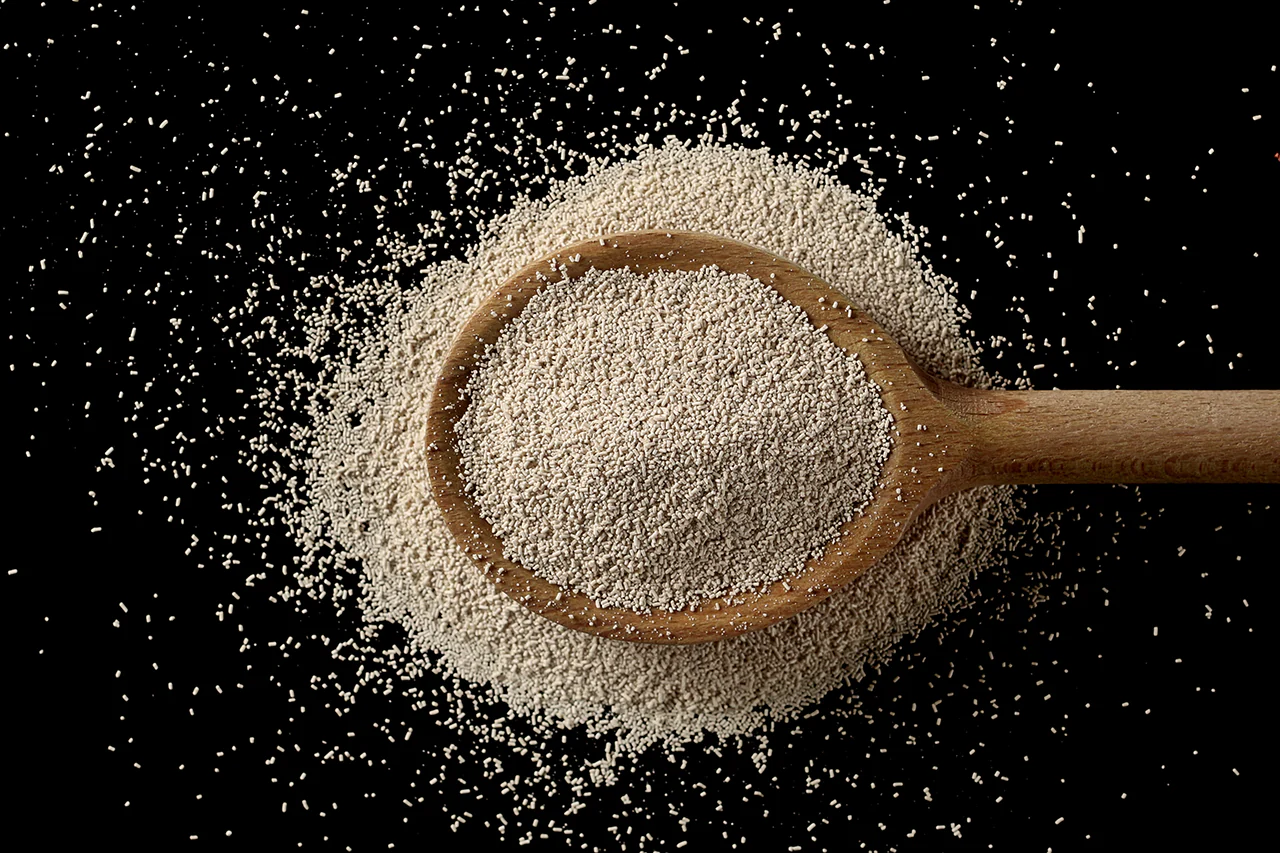
Accelerated Degradation of Plastic Products via Yeast Enzyme Treatment
Biodegradable plastics can solve the problem of unwanted plastics accumulating in the environment if they can be given the contradictory properties of durability in use and rapid degradation after use.
Written by
·
-
How Waste-Eating Bacteria Digest Complex Carbons
A common environmental bacterium, Comamonas testosteroni, could someday become nature’s plastic recycling center. While most bacteria prefer to eat sugars, C. testosteroni, instead, has a natural appetite for complex waste from plants and plastics.
Written by
·
-
New Method to Quantify Microbial Plastic Mineralisation
A stable isotope assay with 13C-labeled polyethylene to investigate plastic mineralization mediated by Rhodococcus ruber
Written by
·
-
Deciphering the Inner Workings of Bacteria
A team led by University of Oldenburg microbiologist Prof. Dr. Ralf Rabus and his PhD student Patrick Becker has gained deep insights into the cellular mechanisms of a common environmental bacterium.
Written by
·
-

Bacteria Really Eat Plastic
Scientist Discovers a Plastic-Eating Bacteria That Actually Digests Plastic Pollution
Written by
·
-
US Enzymes Recycling Technology for Bottles and Textiles
Scientists Discover Enzymes That Could Make It Cheaper To Recycle Waste Polyester Textiles and Bottles Than Making Them From Petroleum
Written by
·
-
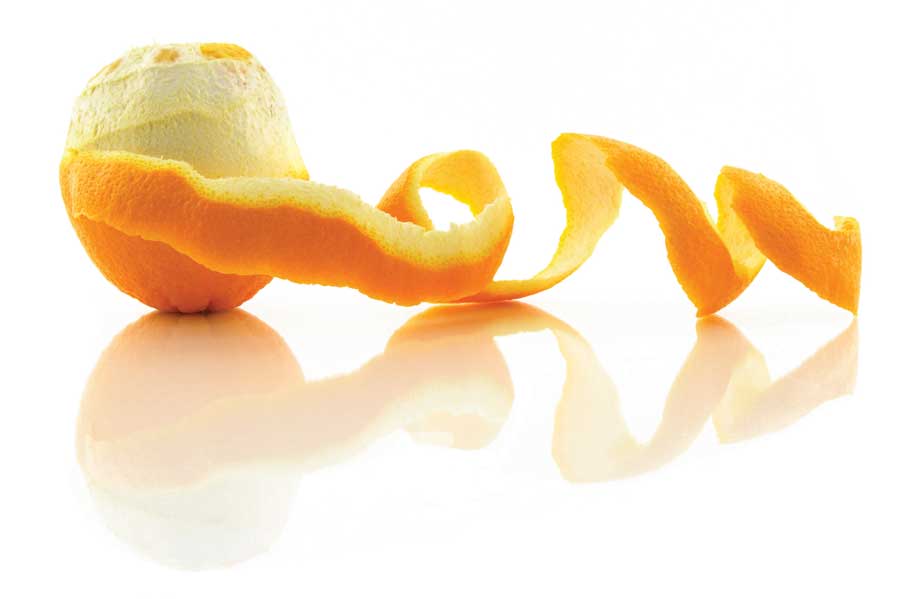
Converting Citrus Fruit Peels into Bio Enzymes
Bio enzymes are a zero-waste process of repurposing fruit peels, they’re also planet-friendly, non-toxic and multi-purpose
Written by
·
-
Microbes Convert Biodiesel Residuals to Lactic Acid
The microbial production of lactic acid based on residual glycerin from biodiesel production.
Written by
·
-

Plastic Microfibers in the Mediterranean Sea are Keeping Bacteria Afloat
Nearly 200 species of bacteria, including ones that can poison humans, were identified on microfiber pollution.
Written by
·
-
Modified Enzyme Brings Value to Lignin Monomers
Conversion of lignin into valuable chemicals
Written by
·
-
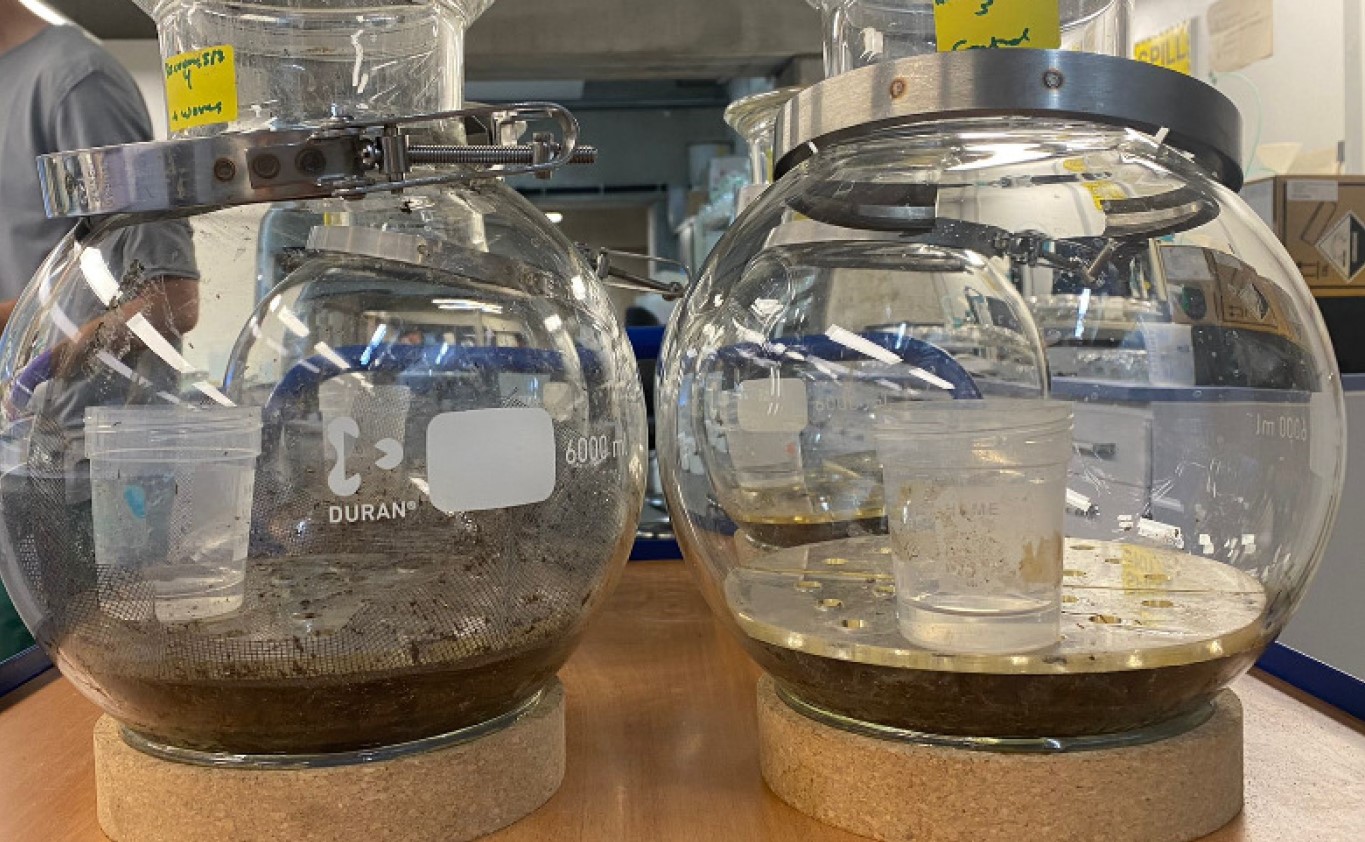
Eisenia Foetida and Lumbricus Terrestres Show High Plastic-Degrading Enzyme Activity
The insects Tenebrio molitor, Ephestia kuehniella and Galleria mellonella as well as Acheta domesticus and Hermetia illucens have also been tested, but the latter two have not been effective in degrading plastics.
Written by
·
-
Wax Worm Enzymes Can Degrade Plastics
Wax worm saliva contains enzymes capable of breaking down plastics
Written by
·
-

How Microbial Communities Exchange Information
Biomedical engineers at Duke University have demonstrated a microbial community phenomenon that essentially equates to teaching neighbors how to complete necessary tasks by ripping out and sharing parts of the brain.
Written by
·
-

New Algorithm Reveals Secrets of Cell Factories
The researchers tested their model by simulating metabolism in more than 300 types of yeasts. When compared with measured, pre-existing knowledge, the researchers concluded that models with predicted kcat values could accurately simulate metabolism
Written by
·
-
Constructive Bio Launched to Develop Biomaterials
Constructive bio launches with $15m seed investment to re-engineer biology, creating new classes of enzymes, pharmaceuticals and biomaterials
Written by
·
-
MIB Develops New Enzyme for Plastic Degradation
Engineering enzymes to help solve the planet’s plastic problem
Written by
·
-
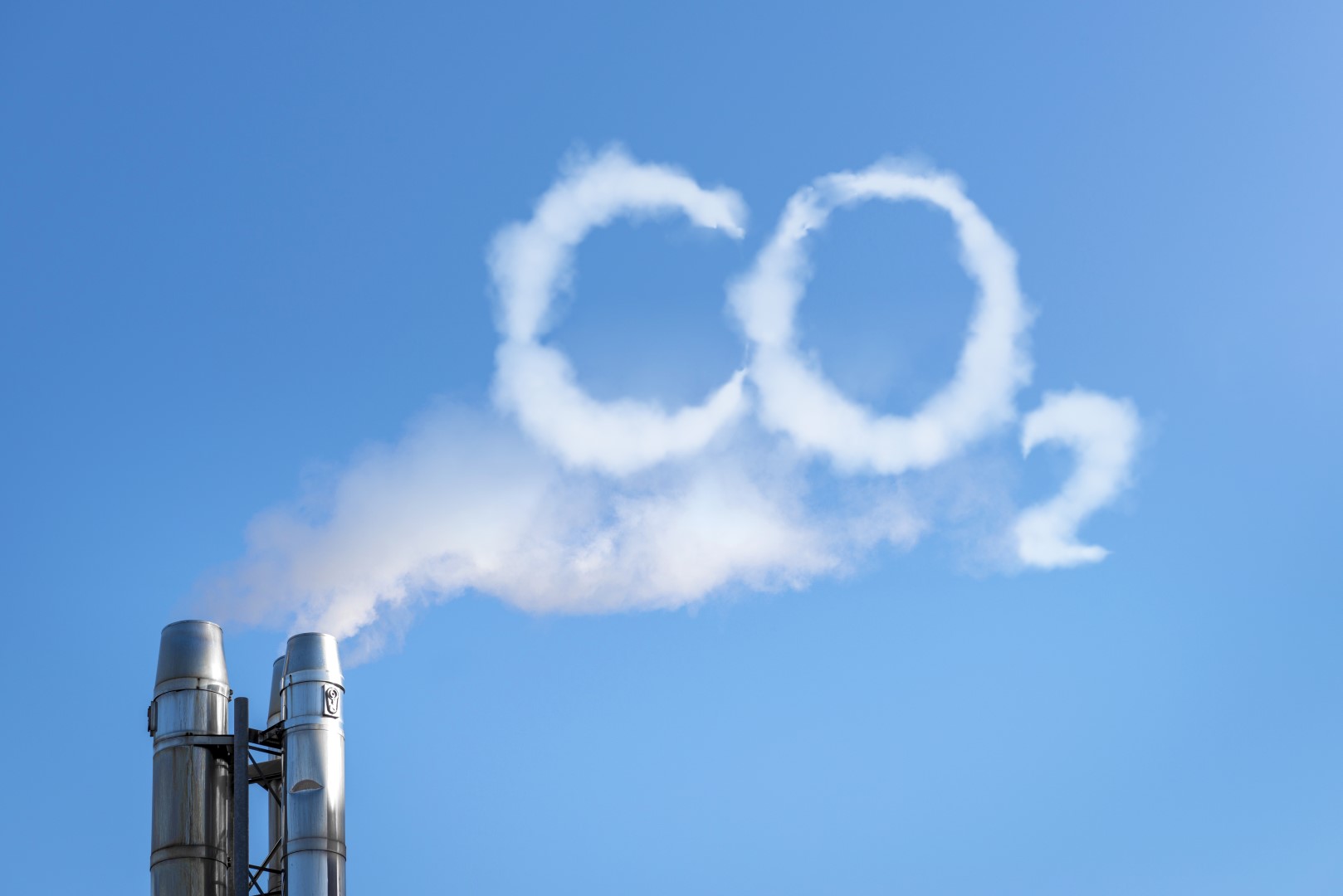
Microbes Can Ferment CO2 To Make Fuel
Scientists Mapped Out a “Bicyclic Carbon Fixation” Pathway for Speeding Up Gas Fermentation in Specialized Bacteria
Written by
·
-

Bacteria to Be Tested in Space to Solve Plastic Dilemma
NREL Selected for Space-Bound Research To Solve the Plastic Waste Dilemma
Written by
·
-

Bacteria Can Remove Plastic Pollution from Lakes
A study of 29 European lakes has found that some naturally-occurring lake bacteria grow faster and more efficiently on the remains of plastic bags than on natural matter like leaves and twigs.
Written by
·
-

CJ CheilJedang and Kyungpook National University Partner on PET Biodegradation
CJ Cheil Jedang works with university researchers to commercialize enzymes for biological plastic recycling
Written by
·
-
New Method to Recover PHA from Bacterial Cells
Potential of mealworms used in polyhydroxyalkanoate/bioplastic recovery as red hybrid tilapia (Oreochromis sp.) feed ingredient
Written by
·
-

Can Canada Make the Paper Industry Circular?
Bacteria could transform paper industry waste into useful products
Written by
·
-

Leipzig University Research on PET Biodegradation
Newly Discovered Enzyme Breaks Down Pet Plastic In Record Time
Written by
·
-

TU Dresden Research on Biosynthesis of Cyanobacterin
Biosynthesis Of Cyanobacterin Opens Up New Class Of Natural Compounds For Applications In Medicine And Agriculture
Written by
·
-
New Strategy for Creating New to Nature Enzymes
Scientists achieve a novel biocatalytic reaction by repurposing natural enzymes with light, which could lead to valuable new chemical compounds.
Written by
·
-
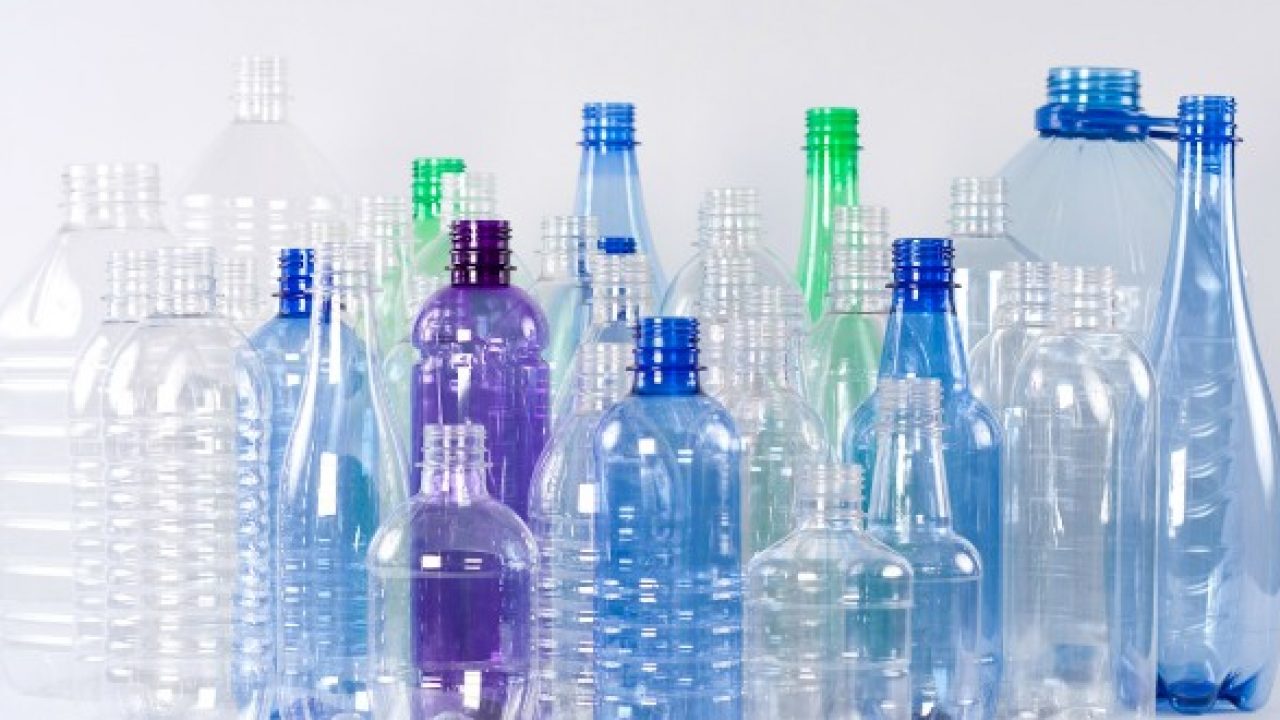
US University Develops Enzyme for PET Depolymerization
Plastic-eating Enzyme Could Eliminate Billions of Tons of Landfill Waste
Written by
·
-
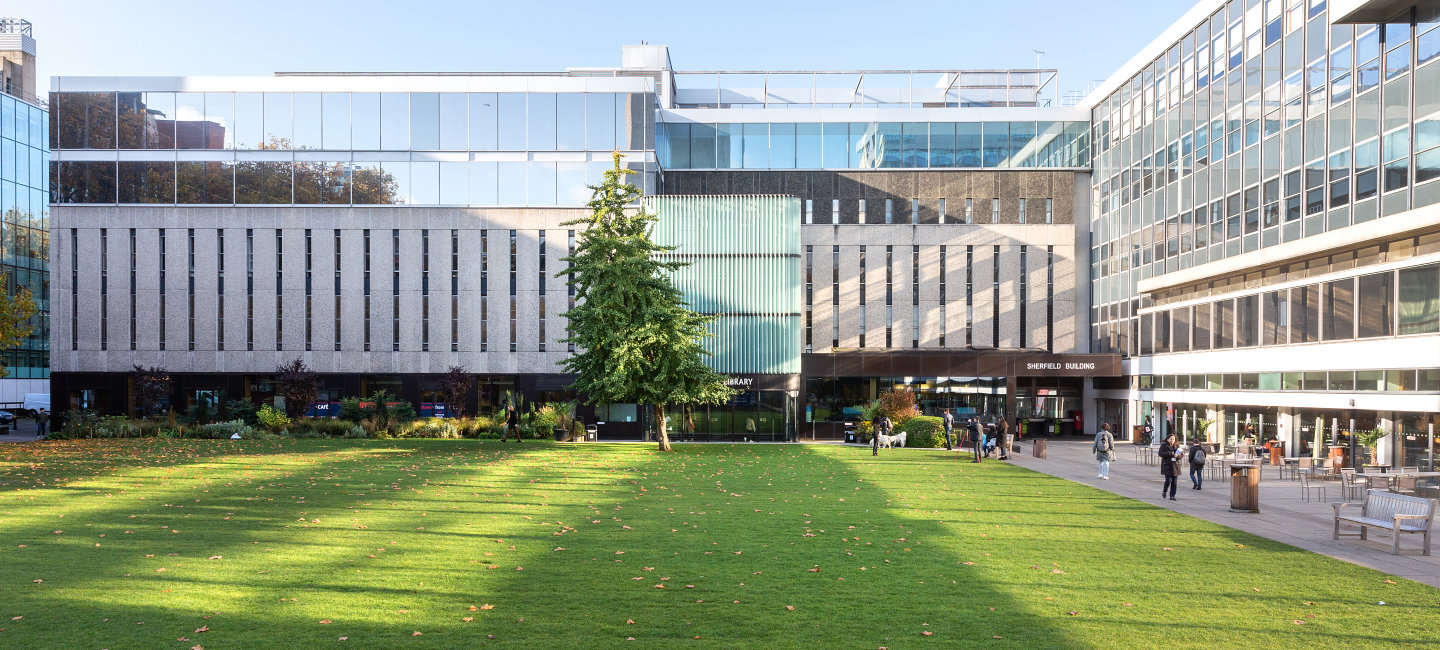
Imperial College London Research on PET and PU Biodegradation
The MIPLACE project, led by Imperial and involving partners based in Germany, Spain and France, investigates the use of microorganisms for the recycling of PET and polyurethane plastic waste
Written by
·
-

Deadly Parasites Surfing on Microplastics
Association of zoonotic protozoan parasites with microplastics in seawater and implications for human and wildlife health — RETHINKING Materials / London May 4-5 / 10 % Discount Code = BioPlasticsNews10
Written by
·
-
Nano Skyscrapers Help Bacteria Convert Sunlight Into Electricity
University of Cambridge using 3D printing to produce generated from sunlight and water thanks to bacteria
Written by
·
-
Light Powered Microbes Accelerate Biomanufacturing
Researchers from Japan engineered a method that allows bacteria to use light for external energy to accelerate biomanufacturing of target compounds without disrupting the host microorganism’s natural metabolism
Written by
·
-

Enzymit Funded by Enzyme Research
Enzymit receives millions for the development of designer enzymes that could replace nearly every inefficient, unsustainable and polluting chemical reaction used in modern production methods.
Written by
·
-
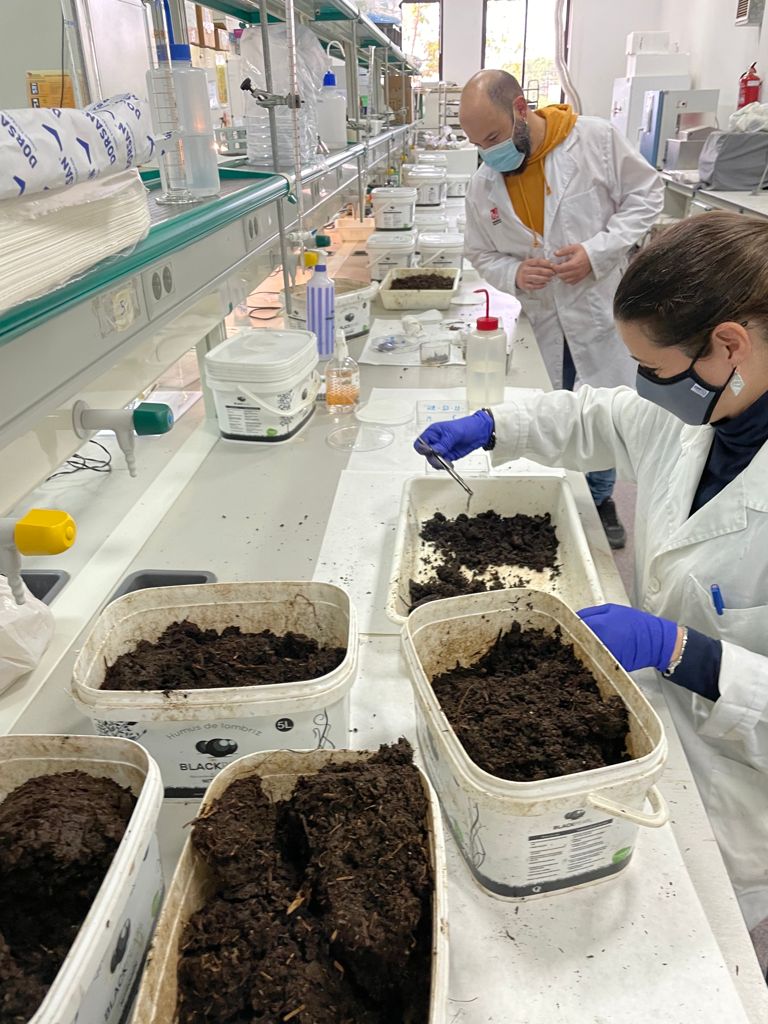
Insects, Earthworms and Enzymes Working Together to Tackle Plastic Pollution
Please find attached a press release on the progress of the RECOVER research project – CBE_JU #H2020 – which is working on finding solutions to the main problems posed by agri-food plastic waste as well as establishing a new cross-cutting interconnection in the bioeconomy involving waste management and biotechnology. A project that uses insects, earthworms…
Written by
·
-
Plastic Eating Bacteria Created With Particle Accelerator
Scientist have been working on a Frankenstein bacteria able to eat plastic
Written by
·
-
Bacterial Enzyme Makes New Type of Biodegradable Polymer
Bacterial enzyme makes new type of biodegradable polymer
Written by
·
-
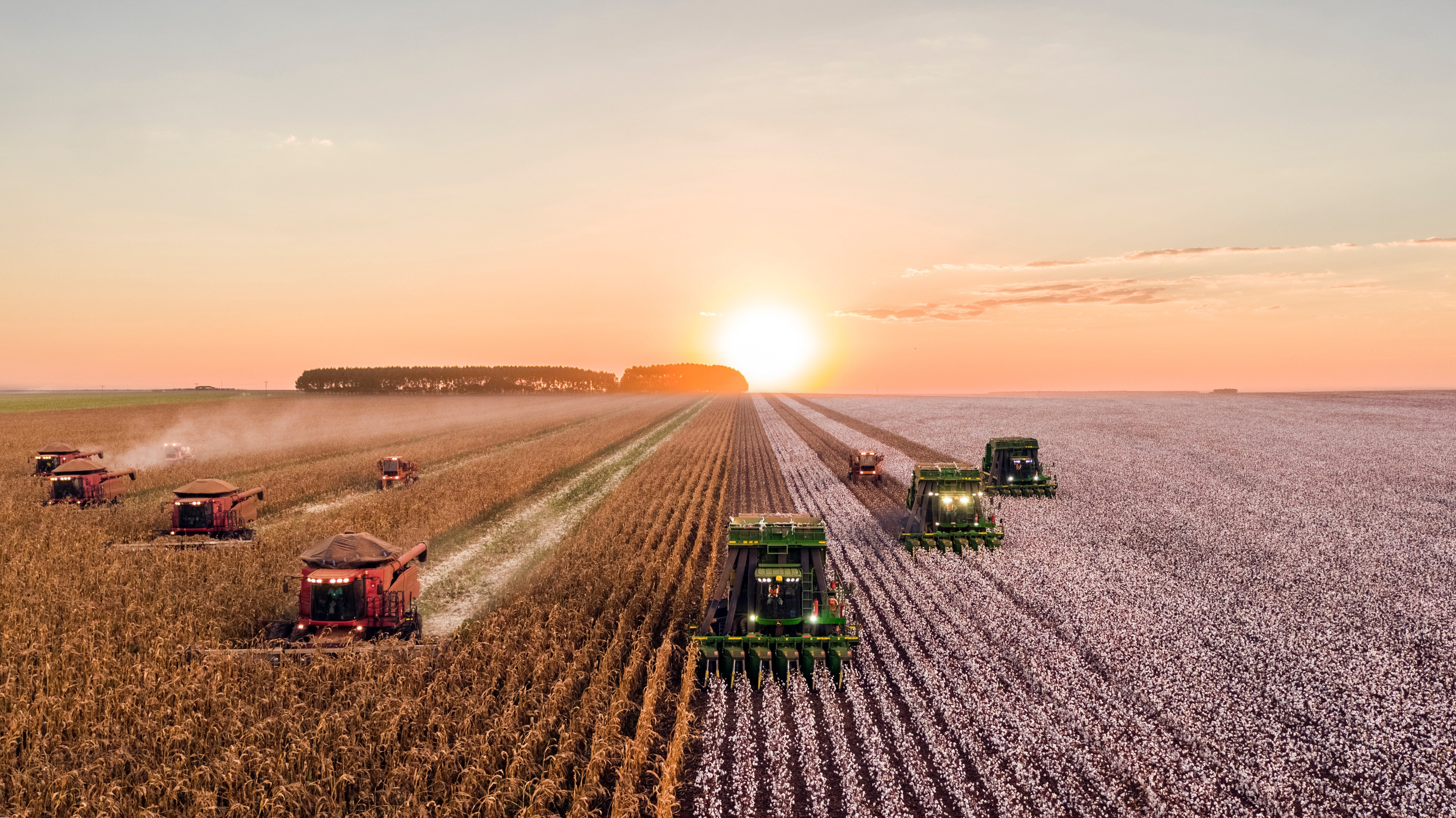
Effects of Biodegradable Film Mulching on Bacterial Diversity in Soils
Effects of biodegradable film mulching on bacterial diversity in soils
Written by
·
-
Japanese Discover New Enzymes to Degrade Lignin
Developments in lignin degradation: New microorganisms and enzymes at play
Written by
·
-
NorthWestern University Develops Bacteria to Convert CO2 into Chemicals
Carbon-negative production of acetone and isopropanol by gas fermentation at industrial pilot scale
Written by
·
-

Australian Advanced Recycling Technology
Australian National University are working on super enzymes to degrade plastic waste and nylon — ECHO INSTRUMENTS, Technology to Measure & Analyse Plastic Biodegradation
Written by
·
-
University of Warwick Uses Enzymes to Create New Biochemicals
Compounds made from ‘digested’ molecules feeds appetite for greener pharmaceuticals and agrochemicals
Written by
·
-

Ingenza and Johnson Matthey Partner on Enzymes
Ingenza collaborates with Johnson Matthey for efficient industrial enzyme synthesis
Written by
·
-

UC Santa Barbara Breakthrough Research on Enzymes
Researchers develop a method that gives enzymes the ability to catalyze new-to-nature reactions
Written by
·
-
Bacteria Biochemistry Controlled With Insoluble Material
Design of Polymeric Thin Films to Direct Microbial Biofilm Growth, Virulence, and Metabolism
Written by
·
-

Novozymes and Saimer Partner on Carbon Capture 
Novozymes to deliver on strategy with carbon capture collaboration agreement
Written by
·
-
Plastic Degrading Enzymes Correlate with Pollution
Plastic-Degrading Potential across the Global Microbiome Correlates with Recent Pollution Trends
Written by
·
-
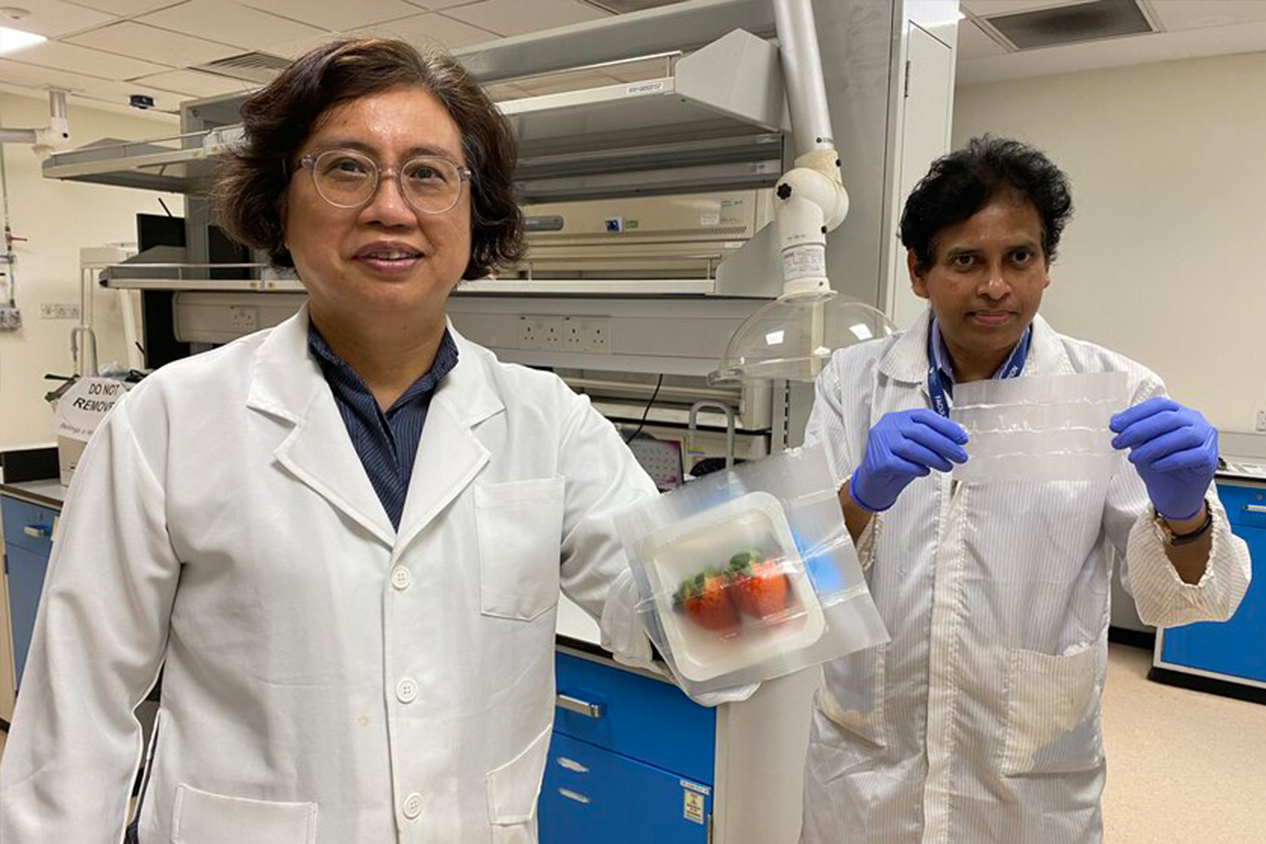
NTU Singapore and Harvard Scientists Develop Antibacterial Packaging
Keep food fresh with this bacteria-killing packaging
Written by
·
-
Enzymes Evolving To Eat Our Plastic Waste Video
It appears we have dumped so much plastic waste that micro-organisms are evolving to start eating the stuff. But it’s not the answer to all our problems
Written by
·
-
Plastic Degrading Enzymes Correlate with Pollution
Microbes across the globe are evolving to eat plastic pollution
Written by
·
-
Engineered Microorganisms for PET Waste
Researchers Engineer Microorganisms To Tackle PET Plastic Pollution
Written by
·
-

First Carbon Producing Microbes
Discovery of first carbon-producing microbes presents biochemical mystery
Written by
·
-

Harder Microbes for Better Bio Chemicals
Researchers engineer hardier microbes to improve bioproduction of fuels, chemicals
Written by
·
-
Converting PET Waste Into PHA
Direct fermentative conversion of poly(ethylene terephthalate) into poly(hydroxyalkanoate) by Ideonella sakaiensis
Written by
·