
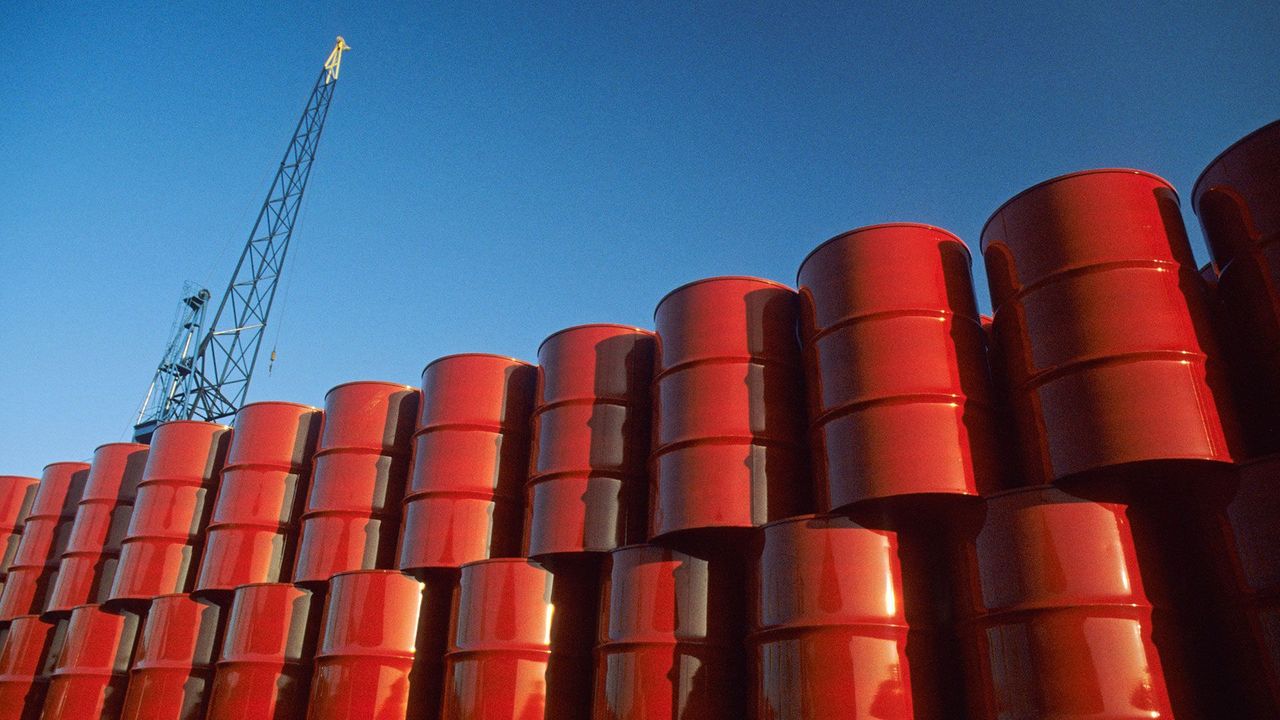
One of the greatest paradoxes of the modern global economy is that governments routinely champion free markets, competition and free trade—while one of the world’s most influential industries continues to be shaped by a producers’ cartel.
The Organization of the Petroleum Exporting Countries (OPEC), together with its allies in OPEC+, accounts for a significant share of global oil production. Through coordinated production targets, member countries attempt to influence the balance between supply and demand, thereby affecting global oil prices.
If a group of private companies coordinated production in the same way, competition authorities in many jurisdictions would almost certainly investigate them for cartel behaviour. Businesses found fixing prices or restricting output can face substantial fines and legal sanctions.
OPEC, however, occupies a unique position. Its members are sovereign states, not private companies. Competition laws generally apply to businesses operating within a jurisdiction, not to governments exercising sovereign control over their own natural resources.
International law also recognises that countries have the sovereign right to determine how and when they exploit their natural resources. From that perspective, OPEC members argue that production policy is an exercise of national sovereignty rather than a commercial agreement between competing firms.
Supporters of OPEC argue that coordinated production helps reduce extreme price volatility, providing greater stability for both producers and consumers. They contend that severe price swings discourage long-term investment in oil production and ultimately threaten global energy security.
Critics see the situation differently. They argue that coordinated production cuts distort markets, increase energy costs for consumers and businesses, and undermine the principles of free competition that many governments promote in other sectors of the economy.
The contradiction becomes even more striking when governments actively pursue antitrust investigations into private companies while simultaneously accepting that a group of sovereign oil-producing nations openly coordinates production policy.
Whether one views OPEC as a stabilising force or as an exception to free-market principles largely depends on perspective. What is clear is that the global oil market operates under rules unlike almost any other major commodity market.
Personal Remarks
The European Commission often presents itself as the world’s champion of competition and the rule of law. Yet somehow, it seems to have overlooked the world’s largest and most influential cartel.