
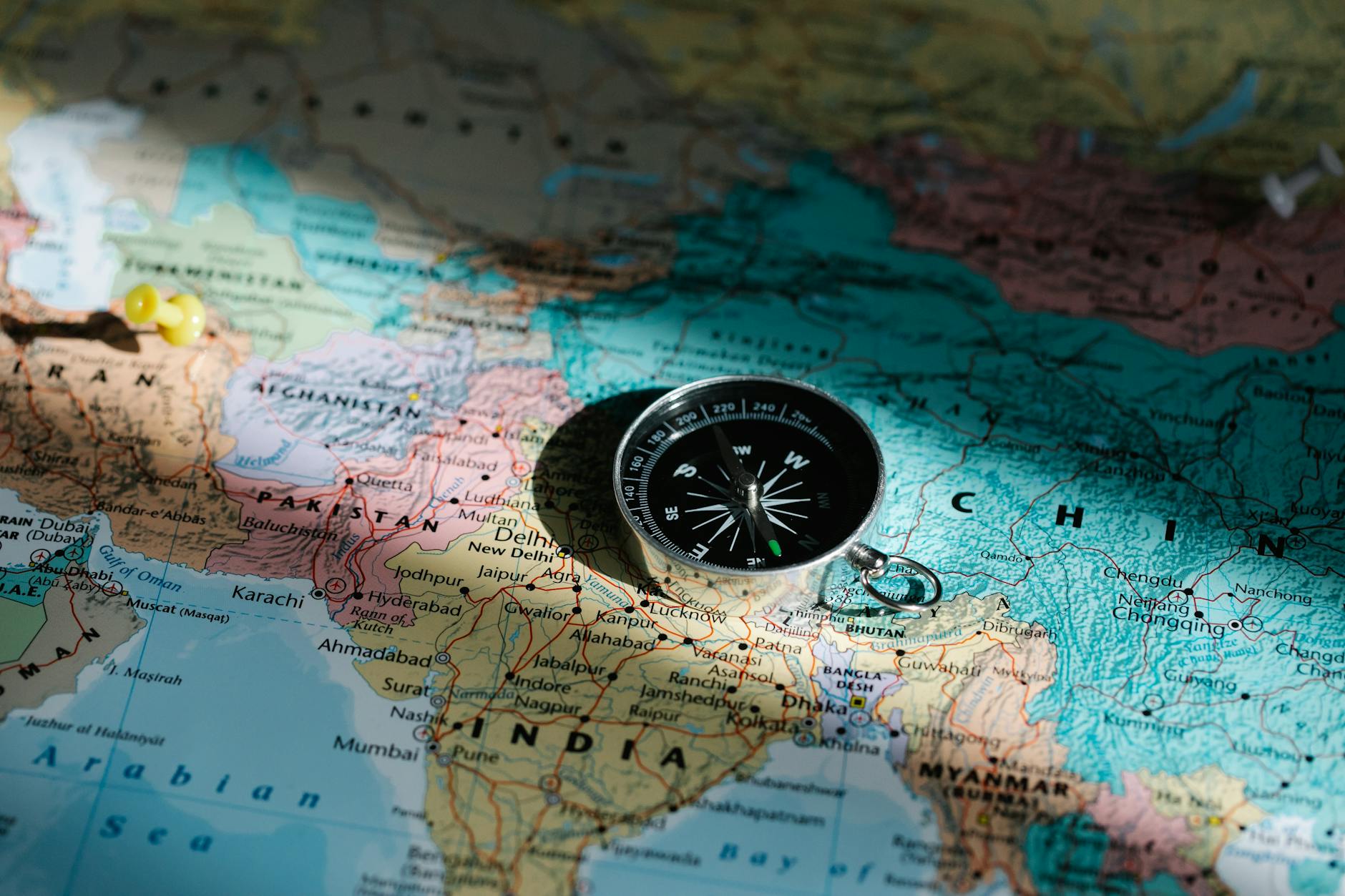
The recurring instability in the Strait of Hormuz often appears to harm global markets, but it can also create strategic advantages for the United States. As one of the world’s most important oil chokepoints, any tension in the region immediately raises energy prices, increases uncertainty, and reminds allies of the importance of maritime security. In that environment, Washington’s military presence in the Gulf becomes more valuable and politically easier to justify.
Higher insecurity in the Strait can also strengthen the competitive position of American energy exports. When Gulf supply routes are perceived as vulnerable, importers look for alternative and more stable suppliers. This can benefit U.S. oil and liquefied natural gas producers, especially in Europe and Asia, who can present themselves as reliable partners in times of crisis.
Another possible consequence of heightened insecurity would be the expansion of American “arms diplomacy.” Washington could offer drones, anti-drone systems, and maritime surveillance technology to European ports and strategic harbours in exchange for closer security cooperation, intelligence sharing, or stronger alignment on trade and foreign policy priorities. In such a scenario, security assistance would not only address immediate threats but also deepen long-term political and strategic ties between the United States and Europe.
At the geopolitical level, regional instability often pushes states and allies closer to Washington for defense cooperation, intelligence sharing, and weapons procurement. It reinforces the role of the United States as the ultimate security guarantor in a strategically vital region.
This does not mean the United States seeks instability, but it does suggest that periods of insecurity in the Strait of Hormuz can indirectly serve American economic and strategic interests. In global politics, crises often create winners as well as losers.
Why U.S. Leadership Is Important
In times of geopolitical instability, strong leadership from the United States remains essential for maintaining international order and protecting critical trade routes. The Strait of Hormuz is not only a regional passageway but a strategic artery for the global economy, through which a significant share of the world’s energy supply moves each day. Disruptions in this corridor can quickly trigger higher prices, inflationary pressure, and uncertainty far beyond the Middle East.
The United States remains one of the few powers with the military reach, naval capabilities, intelligence networks, and diplomatic leverage necessary to respond rapidly to such crises. Its ability to coordinate allies, deter hostile actors, and secure maritime routes gives markets and governments a degree of confidence during volatile periods.
American leadership is also important because many other actors lack either the capacity or the political unity to take decisive action. European states often face internal divisions, while regional powers tend to pursue narrower national interests. In that context, Washington continues to function as the central stabilizing force when strategic chokepoints are threatened.
Whether one agrees with all aspects of U.S. foreign policy or not, moments of crisis repeatedly demonstrate that American leadership remains a key pillar of global security and economic stability.
Bluntly
The world has become a global village, and every village needs a sheriff. The United States is not perfect, but it has repeatedly proven to be the most capable sheriff available.
And if not the United States, then who would be the second-best option to take on that role? Who?